


A fan-made Snake game built for Galaxy Watch is turning heads, not with flashy graphics, but by leaning fully into the rotating bezel. Shared by developer JackGrylls in the Galaxy Watch community on Reddit, the prototype shows how a classic mechanic can feel brand-new when it’s tailored to the hardware on your wrist.
The early build is designed for Wear OS watches that feature Samsung’s physical bezel, mapping movement to rotational input and framing gameplay inside a circular arena. It’s not publicly released yet, but the proof of concept already looks more at home on a watch than most handheld ports.
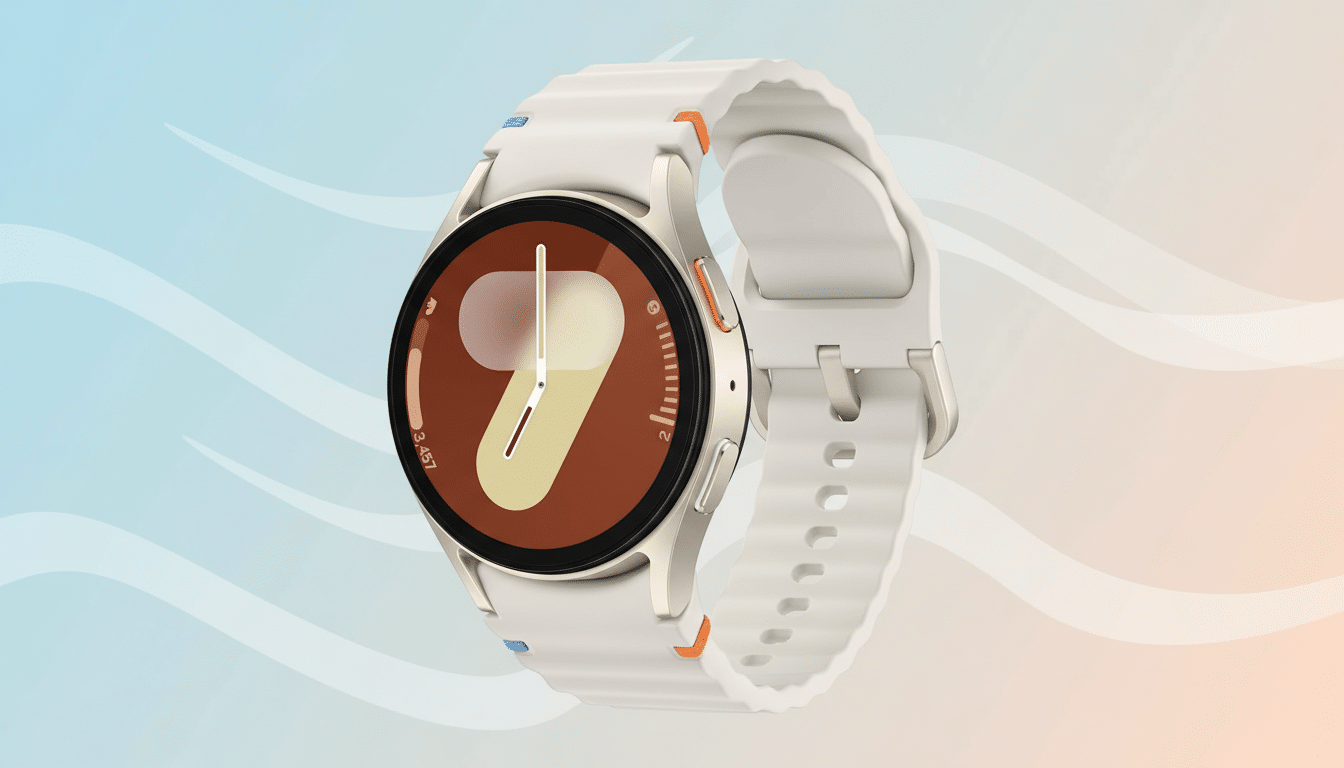
Why The Bezel Makes Snake Shine On A Watch
Thumb-on-screen controls are a compromise on tiny displays, obscuring the very action you’re trying to see. A rotating bezel solves that. It keeps the screen clear, gives you precise directional control, and naturally supports smooth speed changes without hunting for on-screen buttons.
There’s also a design elegance here: steering a growing snake around a circular field aligns perfectly with a ring-based input. Human-computer interaction research has long highlighted the advantages of off-screen rotary controls for small interfaces, reducing occlusion and lowering input effort. In practice, it just feels right to twist the bezel and watch the snake arc with you.
Circular Arena Design Suits A Round Watch Display
Most smartwatch Snake clones drop a square grid into a round watch face, wasting pixels and breaking immersion. This project goes the other way, embracing the screen’s geometry with curved, pixel-styled walls and a circular playfield. It’s a small shift that makes the game look native to the form factor instead of squeezed onto it.
The approach also nods to a beloved lineage. Samsung’s earlier Tizen-era watches popularized bezel-first navigation, and the Galaxy Watch 6 Classic’s return to a physical ring reminded many why the feature endures. Games that exploit that hardware advantage stand out on Wear OS, where input methods vary across devices.
Early Performance Tweaks And Developer Notes
Community feedback flagged what looked like sluggish turning in early clips. The developer acknowledged the issue and clarified that it wasn’t true input lag but a game loop quirk. A fix is in testing to tighten responsiveness without sacrificing the smooth, bezel-led feel.
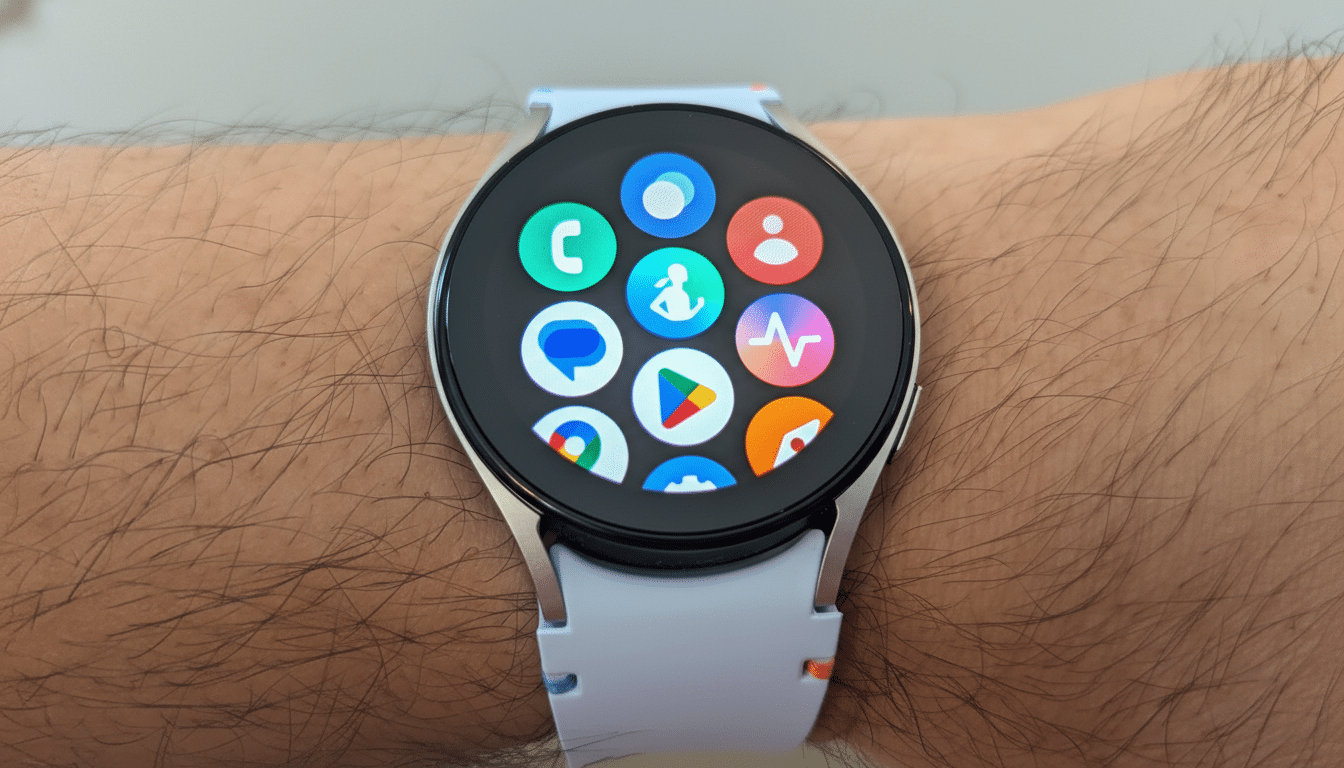
That distinction matters. On wearables, input events can be fast, but a poorly tuned update loop or coarse tick rate can make controls feel behind the action. Fine-tuning frame pacing and decoupling input sampling from rendering are common remedies, and they’re especially important when a game’s appeal hinges on quick directional changes.
What It Signals For Future Wear OS Game Design
Smartwatch games work best when they’re designed for short, glanceable sessions with minimal friction. Google’s Wear OS design guidance emphasizes brief interactions, and Snake fits that mold perfectly—fast restarts, clear goals, and no learning curve. Add hardware-specific controls like a rotating bezel, and you get a tight loop that feels custom-built rather than retrofitted.
There’s also a broader lesson for developers: lean into each watch’s strengths. Haptics for pickups, subtle sound cues on turns, and crisp pixel art all complement the bezel’s tactile feedback. Compared with crown-only or touchscreen-only designs, bezel-first controls unlock a unique feel that’s hard to replicate on non-Samsung hardware, giving Wear OS a distinctive gameplay showcase.
Availability And What To Watch Next For This Project
The project isn’t on the Play Store yet, and there’s no public download at the moment. The developer has indicated that a work-in-progress build is hosted on GitHub for those following along, with ongoing tweaks to control timing and polish.
If momentum continues, expect thoughtful additions: optional haptic pulses on pickups, bezel sensitivity settings, difficulty curves tied to rotation speed, and perhaps leaderboard support via platform services. None of that matters, though, if the core movement doesn’t sing—and in this prototype, it already does.
There are countless Snake ports, but very few that actually feel made for a watch. This one does. By matching a circular board to a round display and handing steering to the rotating bezel, the project sets a high bar for wearable game design—and offers a reminder that sometimes the smartest innovation is rediscovering what the hardware wanted all along.