


A rumor that the base Galaxy S26 could weigh just 137g has jolted Samsung watchers and sparked fierce debate over whether ultra-light flagships are progress or a problem. If accurate, that figure would make the S26 dramatically lighter than most modern premium phones and would raise big questions about battery life, durability, and in-hand balance.
Why a 137g Galaxy S26 weight figure raises eyebrows
Context matters. The Galaxy S24 comes in around 167g, the iPhone 15 is about 171g, and the Pixel 8 is roughly 187g. Even compact devices like the iPhone SE sit near 144g. At 137g, the S26 would be lighter than many midrange phones and lighter than nearly every mainstream flagship of the last several years, based on device listings compiled by major spec trackers and retailer databases.
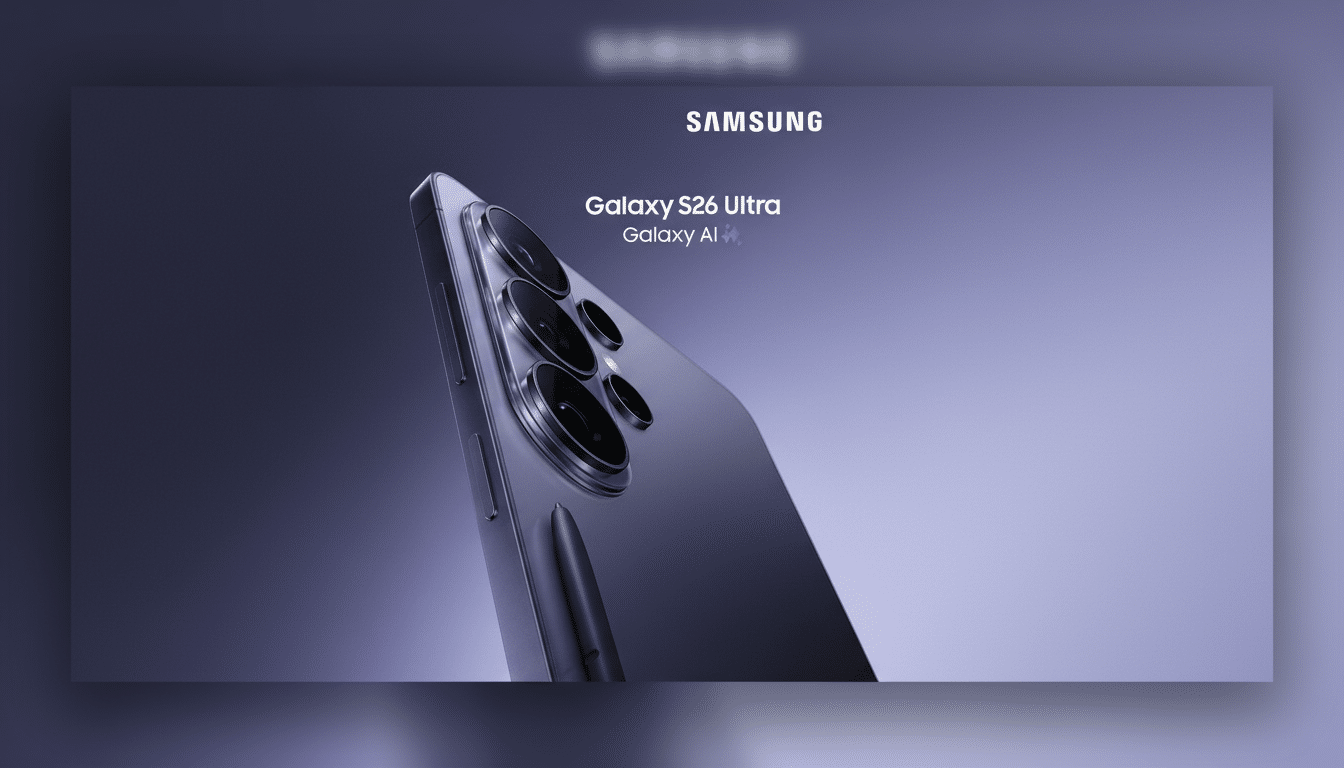
That is a drastic departure from the industry trend. Flagships have generally crept up in mass as bigger sensors, larger batteries, and tougher glass have proliferated. The idea that Samsung could trim 30g or more from its baseline model compared to key rivals is as bold as it is controversial.
The physics and design trade-offs behind ultra-light phones
How do you reach 137g without gutting capability? Start with the battery. A 4,000mAh cell at ~3.85V stores about 15.4Wh. With cell-level energy densities around 230–270Wh/kg for current smartphone lithium-ion, that battery alone typically weighs near 55–65g. Unless Samsung uses more advanced stacked packaging or higher-density chemistry, a meaningful weight cut likely means either a smaller battery or more aggressive internal optimization.
Materials matter as well. Aluminum frames are light, but magnesium alloys are lighter still, and carbon-fiber composites can shave additional grams while complicating radio performance and manufacturing. Glass backs add premium feel but also mass; switching to reinforced polycarbonate or hybrid composites could remove 10–20g. Display glass is another lever: tougher, thicker panels enhance drop survivability but carry weight penalties. Each of these choices ripples through cost, durability, and thermal management.
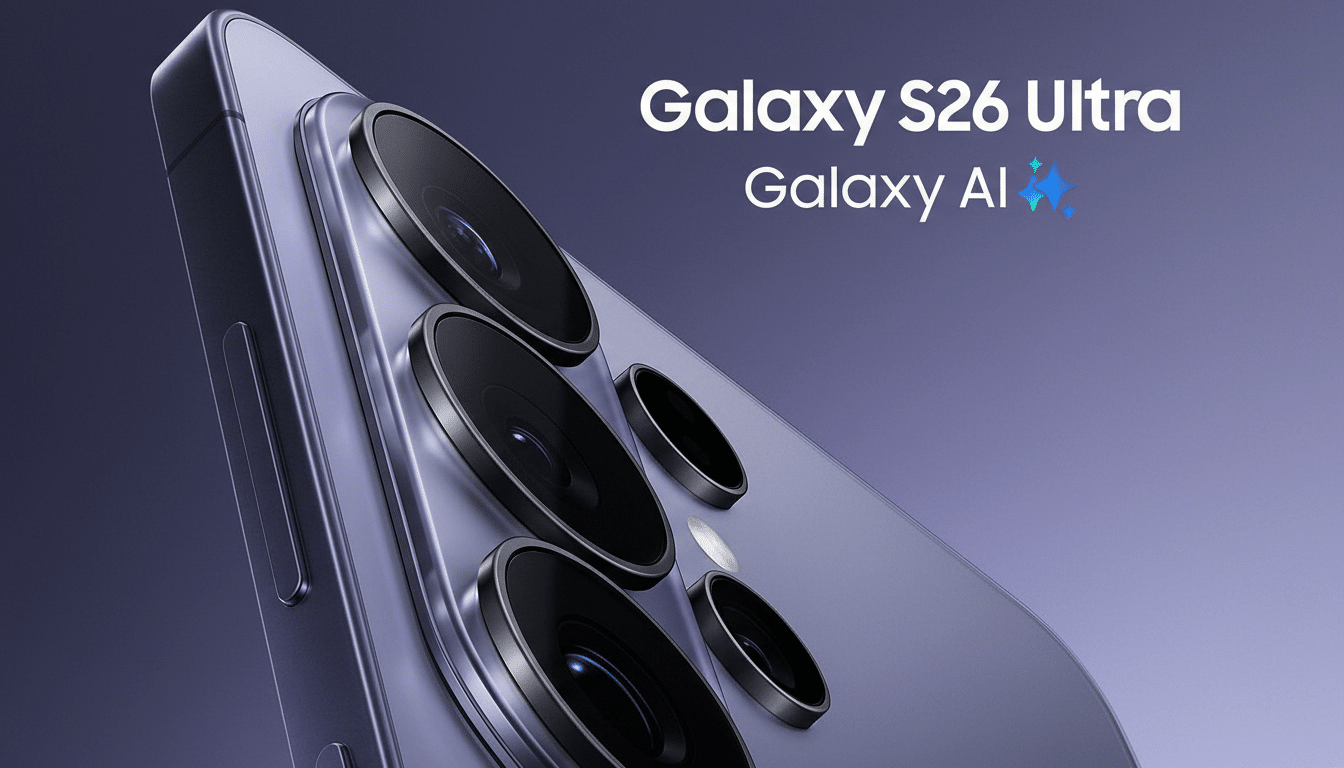
Cameras are the wild card. Larger sensors and periscope assemblies are heavy and shift the center of gravity upward. Even a 5–10g change in a top-corner camera cluster can make a device feel “top-heavy,” altering how secure it feels in one hand. That’s why the rumored number alone tells only part of the story; the weight distribution may matter more than the scale reading.
Ergonomics Balance And Perceived Quality
Human factors research has long found that weight influences perceived quality; studies published in the Journal of Consumer Research note that heavier products are often subconsciously judged as more substantial or durable. Phones aren’t exceptions. Many users report that a bit of heft anchors the device in the hand, improving confidence during one-handed use.
There is a counterpoint: heavier phones carry more potential energy in a fall (m·g·h), which can translate into more severe impact forces. Yet drop-test programs from insurance firms like Allstate Protection Plans show that construction, glass composition, and frame rigidity often matter more than raw mass. In practice, a well-engineered 170g phone can outlive a flimsier 200g one. The concern with 137g isn’t just breakage—it’s whether an ultra-light build ends up feeling hollow, slippery, or unbalanced in daily use.
Battery life, camera design, and heat management trade-offs
A leap to 137g would intensify scrutiny on battery longevity. If Samsung keeps a ~4,000mAh capacity and still drops weight, the company may be leaning on denser cells, stacked packaging, or internal miniaturization. Next-gen 3nm chipsets from Qualcomm and Samsung Foundry promise double-digit efficiency gains, and adaptive refresh displays can shave consumption further, but sustained screen-on time remains the spec most users feel first.
Thermals are another angle. Lighter frames typically mean less metal mass to absorb and spread heat. Without robust vapor chambers or graphite layers, a thin-and-light chassis can get warm quickly during gaming, video capture, or 5G uplink bursts, leading to throttling. Camera quality could also be implicated if slimmer modules and lighter optics limit sensor size or stabilization hardware—areas where recent flagships have competed fiercely.
What we know now and what to watch before the launch
The 137g number is circulating among well-known Samsung tipsters and supply-chain watchers, but it remains unconfirmed. Certification databases such as China’s TENAA and Korea’s NRRA often disclose dimensions and weight late in the pre-launch cycle, and those filings will be the first hard evidence to either validate or quash the chatter.
If the claim holds, expect Samsung to spotlight new materials, rebalanced internals, and efficiency advances to reassure skeptics. If it doesn’t, the conversation it sparked still highlights a real divide: some users crave featherweight phones, while others equate a touch of heft with comfort, stability, and confidence. Either way, the Galaxy S26’s ergonomics—its center of mass, grip contour, and thermal behavior—may matter more than a headline-grabbing number on a scale.