


Early benchmark numbers hint at a clear, if nuanced, performance gap between Samsung’s upcoming Galaxy S26 and the higher-end Galaxy S26 Ultra. Fresh scores attributed to Geekbench 6.6.0 suggest the Snapdragon-powered Ultra pulls ahead in single-core tasks, while multi-core performance remains almost neck and neck.
What the early Galaxy S26 and S26 Ultra numbers show
Greek outlet TechManiacs shared screenshots claiming to show the Galaxy S26 running Samsung’s Exynos 2600 and the Galaxy S26 Ultra with Qualcomm’s Snapdragon 8 Elite Gen 5. The reported results put the S26 at 3,197 for single-core and 11,012 for multi-core, compared to 3,724 and 11,237 for the Ultra. That’s roughly a 15% single-core advantage for the Ultra, with multi-core within a small margin.
- What the early Galaxy S26 and S26 Ultra numbers show
- Why single-core leads matter for day-to-day speed
- Thermals and tuning will decide sustained performance
- What this means for real-world use and responsiveness
- Beyond CPU scores: GPU, AI, storage, and modem factors
- Take leaks with caution until official testing confirms
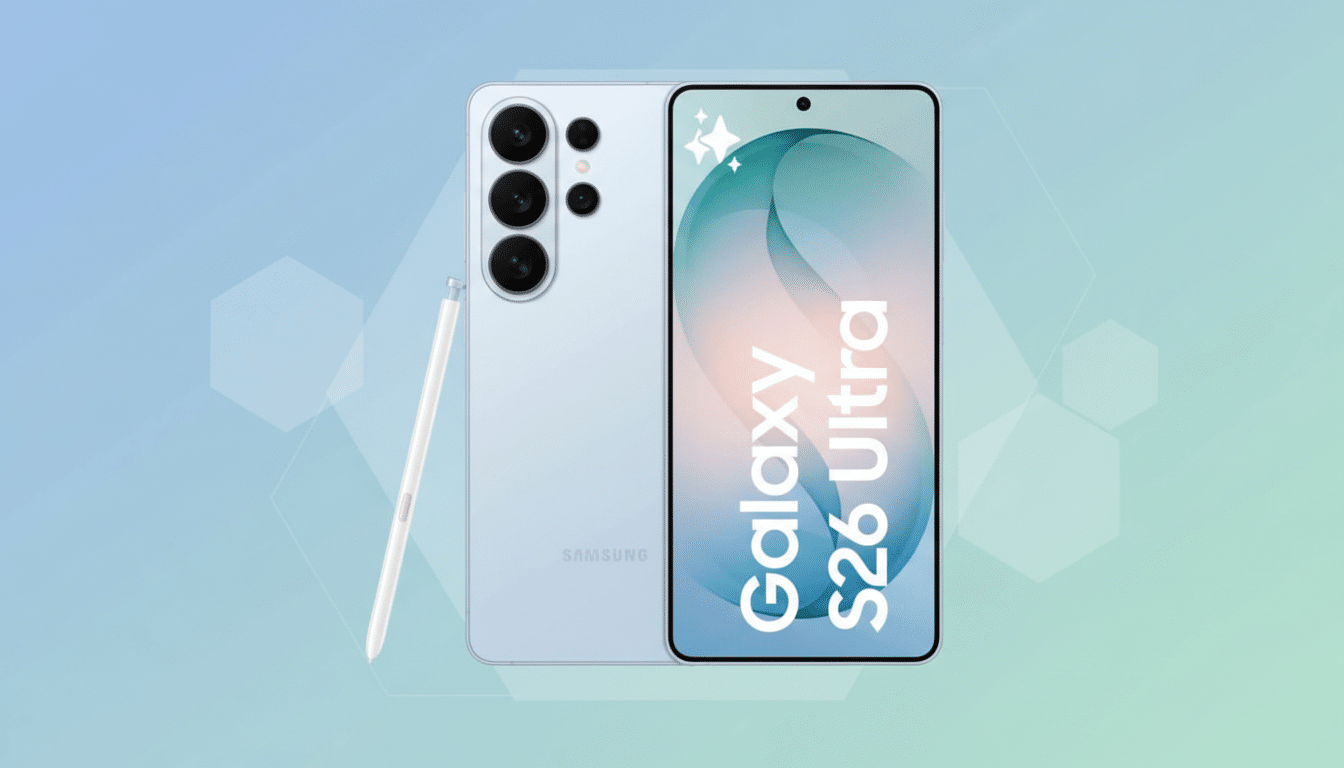
Interpreting these figures in context matters. Single-core scores often correlate with snappy UI responsiveness, app launch speed, and web browsing fluidity. Multi-core is more reflective of sustained workloads like video exports, big photo edits, and multi-threaded app operations. On paper, both devices look capable, but the Ultra’s single-core lead could make it feel more immediate in everyday taps and swipes.
Why single-core leads matter for day-to-day speed
Modern flagships are fast across the board, yet single-core performance still sets the tone for perceived speed. A 10–15% bump can translate into faster app cold starts and fewer hiccups when juggling system processes. If the Ultra maintains this lead in retail units, it could enjoy an edge in responsiveness, particularly in scenarios where apps lean on a single prime CPU core.
The reported Ultra scores also align with Qualcomm’s history of “for Galaxy” tuning, where CPU and GPU clocks are nudged higher for Samsung’s top-tier model. That kind of binning and boost can explain the single-core gap, even when multi-core results remain close.
Thermals and tuning will decide sustained performance
Raw benchmarks do not tell the whole story. Pre-release firmware, unfinished drivers, and variable test conditions can swing scores up or down. Cooling hardware matters, too. Larger cooling chambers and thicker heat spreaders often appear in Ultra-class designs, helping sustain peak clocks longer than standard models in stress tests.
We’ve seen this dynamic before. Last generation, multiple reviewer datasets showed the regular model trailing the Ultra by around 9–12% in single-core tasks despite using similar silicon. The gap was widely attributed to thermal headroom and power limits rather than architectural differences. Expect that pattern to repeat, especially under heavy gaming or 4K video capture where heat builds quickly.
What this means for real-world use and responsiveness
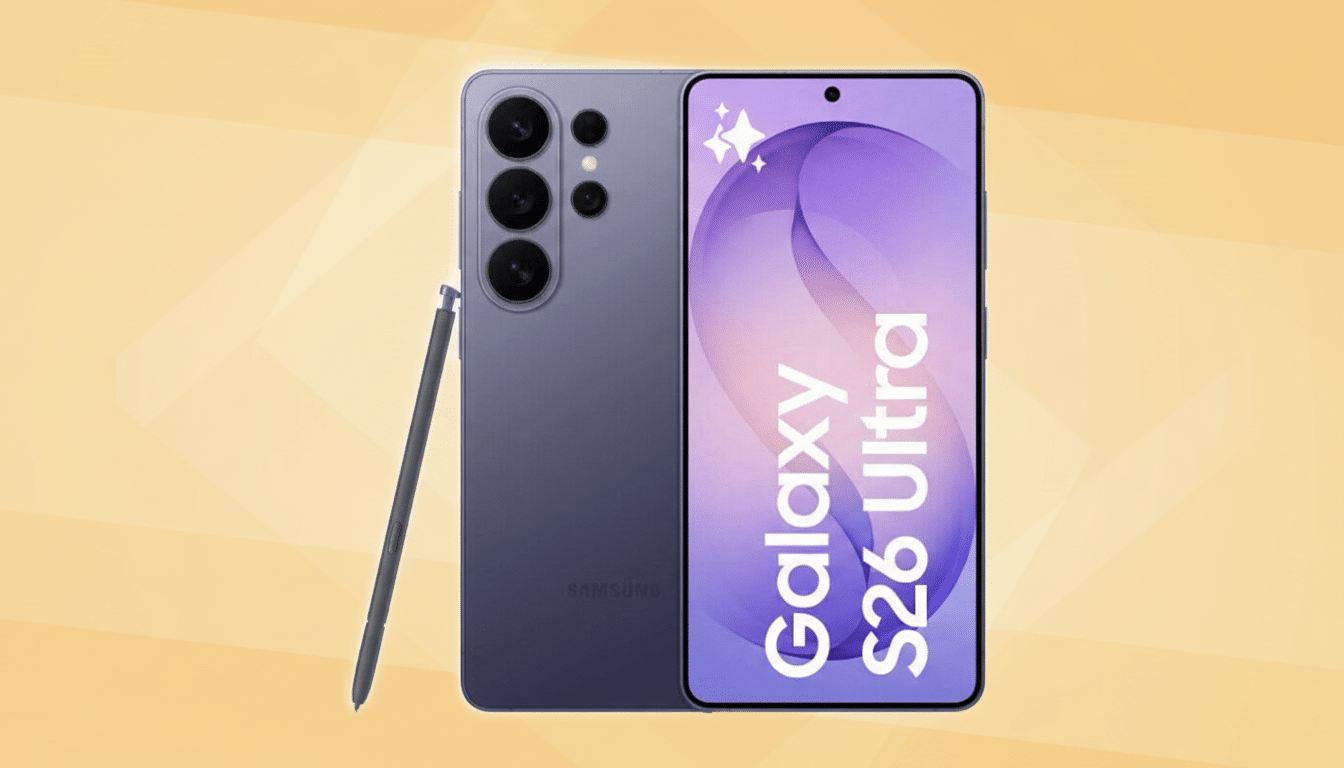
If these early results hold, everyday users will likely notice quicker app launches and lighter-footed navigation on the Ultra. The standard S26, however, should keep pace in multi-core-heavy workflows and still deliver flagship-class performance. Differences may surface more clearly in sustained tasks: think extended gaming sessions, long photo batch edits, or exporting lengthy video projects.
Battery life and heat output will be just as critical. Aggressive clocks can boost benchmarks but also tax thermals under load. The Ultra’s larger chassis and expected vapor chamber could offset that, while the S26 may prioritize balance. Efficiency improvements in both chipsets—and smarter schedulers—will dictate how consistently they hit these numbers outside the lab.
Beyond CPU scores: GPU, AI, storage, and modem factors
Geekbench captures CPU prowess, but it doesn’t cover everything buyers care about. GPU performance, AI acceleration, storage speeds, and modem reliability can shift the experience. Qualcomm’s recent flagships typically flex strong GPU drivers and gaming optimizations, while Samsung’s Exynos platform has pushed forward with on-device AI features and camera compute enhancements. Camera pipelines, image signal processors, and NPUs may tell an entirely different story once full reviews land.
Network performance may also diverge depending on modem integration and carrier bands. Historically, Qualcomm’s modems have been a safe bet for global roaming and mmWave support in certain markets, though Samsung’s in-house solutions have made steady strides generation over generation.
Take leaks with caution until official testing confirms
These figures are not official and the shared screenshots obscure some hardware details. Until retail firmware is finalized and independent testing is complete, treat the results as directional, not definitive. Still, the early story is consistent: the Ultra appears to grab a notable single-core lead, while multi-core margins look slim.
The bigger picture will come into focus at launch and in subsequent deep-dive testing from labs and reviewers. For now, power users chasing peak responsiveness have one clear candidate, while those seeking flagship performance without the Ultra premium may find the standard S26 more than competitive.