


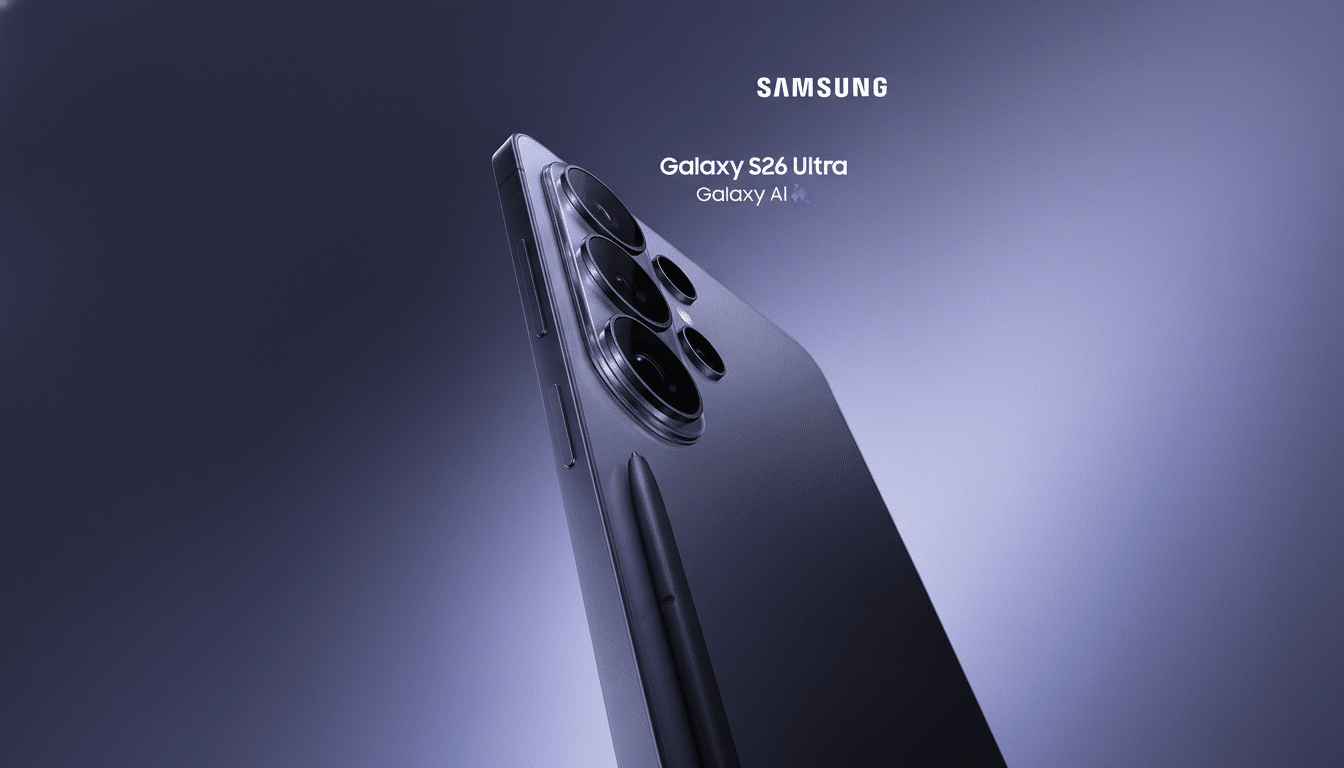
A new leak suggests Samsung may skip integrated Qi2 magnets on the Galaxy S26 Ultra, undercutting one of the Pixel 10’s headline upgrades. If accurate, buyers looking for snap-on accessories and perfectly aligned magnetic wireless charging will need a case with built-in magnets instead of relying on hardware inside the phone.
A reversal on Qi2 magnets for Galaxy S26 Ultra
The claim comes from well-known tipster Ice Universe, who says independent sources indicate the S26 Ultra won’t ship with an internal magnetic ring. That runs counter to earlier supply chain whispers that pointed to Qi2’s Magnetic Power Profile (MPP) being natively supported. If this holds, it would be a notable pivot—especially after Google brought integrated Qi2 magnets to the Pixel 10 lineup last year and after HMD became the first Android maker to embrace the standard.
Qi2’s MPP, defined by the Wireless Power Consortium, standardizes a magnetic ring to align the phone with the charging coil and deliver a consistent 15W. The alignment matters: better contact reduces charge interruptions, improves efficiency, and opens the door to a robust ecosystem of snap-on accessories, from wallets and stands to battery packs. It’s the same basic idea that popularized MagSafe in the iPhone world, now formalized for broader adoption.
Why magnets are tricky for Samsung’s S Pen design
The elephant in the room is the S Pen. Samsung relies on an electromagnetic resonance (EMR) digitizer beneath the display to power and track the stylus without a battery. Strong magnets placed in the back of the phone can distort the field lines that system depends on, particularly near the edges, leading to jitter, cursor drift, or hover inaccuracies. Users have already reported odd S Pen behavior with Galaxy S25 Ultra units when using magnetized cases and accessories, which supports the idea that integrating a ring could exacerbate interference.
Hardware packaging is another factor. Adding a steel and magnet ring increases thickness and weight and competes for valuable space around the wireless charging coil, shielding, and thermal management layers. Tuning for heat, radio performance, and pen precision simultaneously is tough, especially in an Ultra model that already packs large cameras and a pen silo. Skipping integrated magnets could simply be the least risky engineering path this cycle.
Charging and accessory experience if magnets are missing
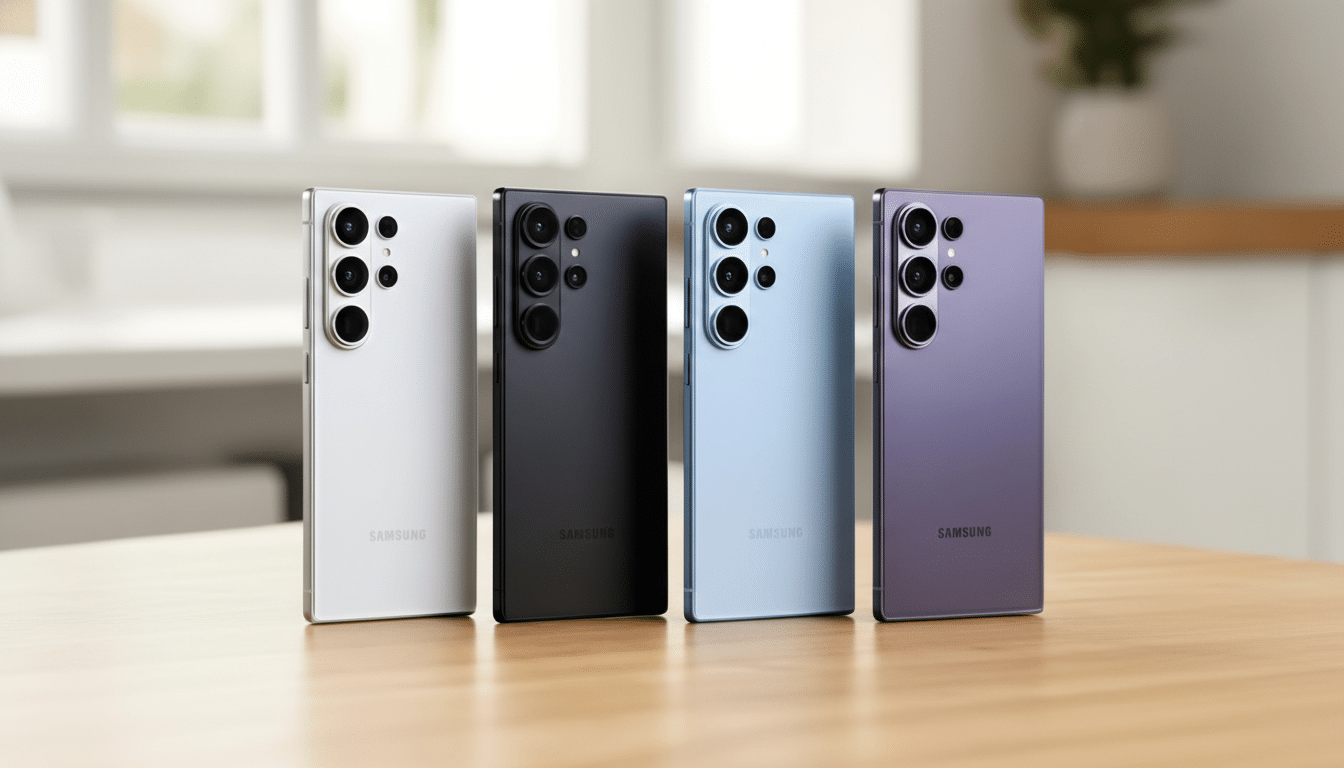
Without a built-in ring, Qi2 chargers can still power the S26 Ultra, but you lose the snap-to-center convenience and the more reliable coil alignment that MPP guarantees. In practice, that means you may see slower ramp-up to peak power or occasional repositioning unless you use a magnetic case. The accessory story changes too: stands, wallets, and clip-on batteries designed for Qi2 magnet arrays will require a case to attach firmly.
The trade-off might be partially offset by raw speed. Multiple leaks suggest Samsung plans faster wireless charging across the S26 family. Qi2’s MPP is standardized at 15W today, and Samsung has historically capped at around that mark on recent flagships. If the company boosts its own wireless profile or optimizes thermal headroom, real-world top-ups could still improve even without internal magnets.
What else to expect from the Galaxy S26 lineup
On wired charging, reports are mixed: some point to the base Galaxy S26 moving up to 45W, while the Ultra may jump to 60W. For context, the prior Ultra topped out at 45W, and the standard model was lower, so either change would be notable. Beyond power, Samsung has teased camera enhancements centered on long-range zoom and low-light video, and the company has confirmed its Privacy Display technology is headed to future Galaxy devices, with the S26 Ultra frequently cited as a likely debut candidate.
If true, that privacy screen—designed to narrow viewing angles and protect on-screen content from prying eyes—would be a distinctive hardware differentiator, especially for business users. It supports the broader narrative that Samsung may prioritize features aligned with productivity and security while leaning on case makers to handle magnetic ecosystems.
Bottom line: What Samsung’s Qi2 choice means for buyers
Skipping integrated Qi2 magnets would hand the Pixel 10 a clear convenience win on accessories and magnetic charging polish. But given the S Pen’s sensitivity and the packaging compromises magnets demand, Samsung’s caution is understandable. Expect case-based magnet solutions to proliferate for the S26 series—and keep an eye on certifications and Samsung’s own briefings to see whether this reversal sticks as launch nears.