


Samsung’s next flagship appears to finally break a years-long stalemate on charging speeds. The Galaxy S26 Ultra will have support for both 60W wired charging and satellite connectivity, according to a filing on China’s 3C certification database, which is the strongest signal we’ve had that faster top-up times are actually coming to the Ultra line.
What the 3C certification filing reveals about charging
The 3C listing indicates an SM-S948 model (rumored to be the upcoming Galaxy S26 Ultra) with a 20V/3A rating, which translates on paper to 60W—in other words, a step up over the shared 45W ceiling seen with recent Ultra models, and almost in line with a … Here is a new Samsung charger; the SM-S480F_55 is also listed as compatible with an EP-TA445X charger (+5V to +15V at 3.7A), while the smartwatch-smartphone hybrid GN-GR180_150 will supposedly accept this same output from both that and another model dubbed, rather cryptically, S6B …
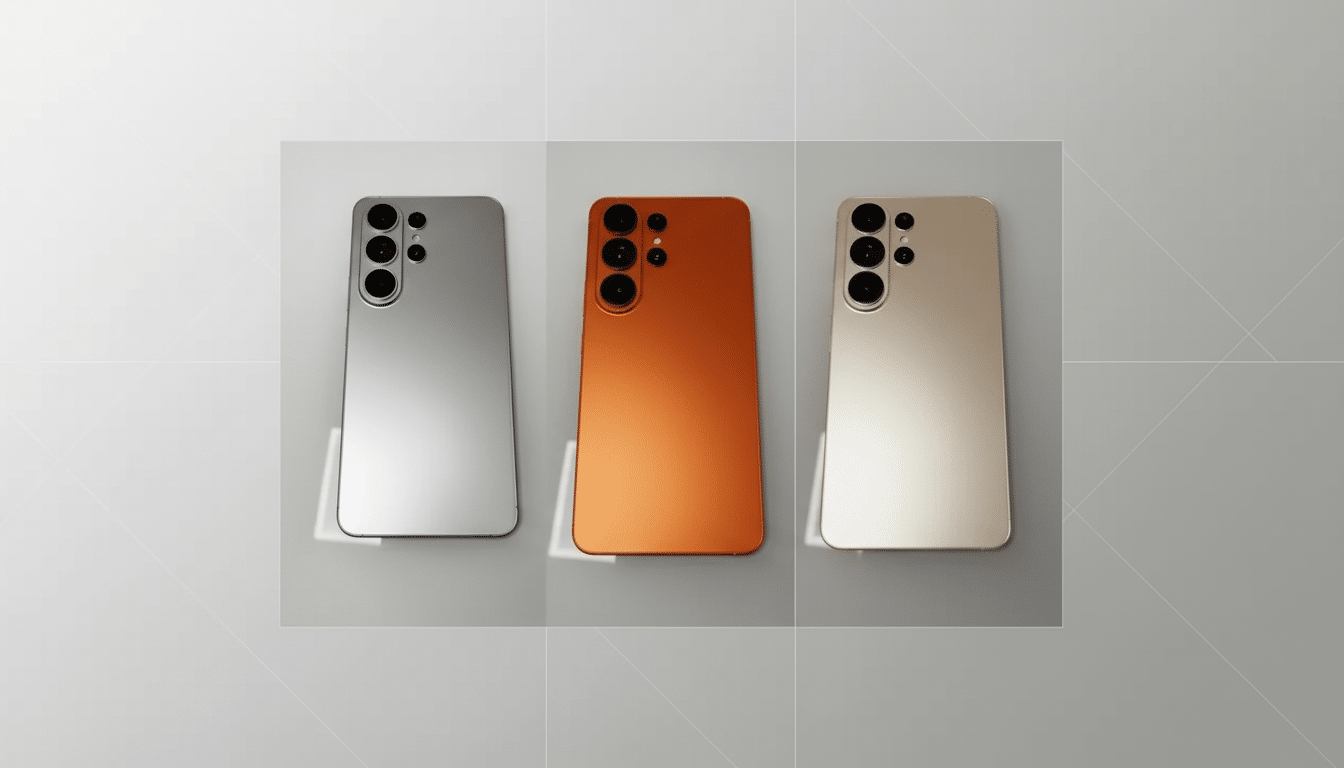
The paperwork also indicates satellite capability. That would see Samsung’s continued pivot into beyond-cellular connectivity after launching satellite features in the previous generation. The question, at this point, is more whether two-way messaging and wider regional coverage grow from that hardware base.
Why 60W charging matters for Galaxy Ultra buyers
Since the Galaxy S20 Ultra, Samsung hasn’t done much to move the wired charging needle on its Ultra phones. The S22 Ultra, S23 Ultra, and S24 Ultra all maxed out at 45W, leaving them far behind rivals who regularly boast 80W, 100W, or higher. 60W is not record-breaking territory, but it closes the gap without throwing away Samsung’s inherently conservative stance toward battery health and thermal control.
That 60W profile with USB Power Delivery PPS could, in real-world terms, take multiple minutes off what a typical 0–50% refill time might be on a ~5,000 mAh pack—especially during the initial charging stage when higher currents have the most impact.
It would be quite a boon for anybody who depends on those quick coffee-break charges, rather than wiggling with a cord each night.
Preserving longevity, Samsung has traditionally used conservative charge curves. But if the S26 Ultra is using better cell chemistry, more effective thermal management, or a stacked-cell architecture, then perhaps 60W pumps lower amperage faster to provide an even bigger hit without the fireworks on other crazy-fast systems. That balance is more crucial than ever, as phones have to manage high-refresh displays, AI workloads, and all-day camera use.
Expect to need a new high-wattage charger and cable
Don’t be shocked if you find yourself having to buy an adapter. Samsung hasn’t included wall chargers with flagships for a few generations now, and it seems likely that the 60W brick will have to be purchased separately. A GaN-based adapter with USB PD PPS and a 5A e‑marked USB‑C cable is the combo needed to really hit that ceiling; smaller 3A cables will limit output.
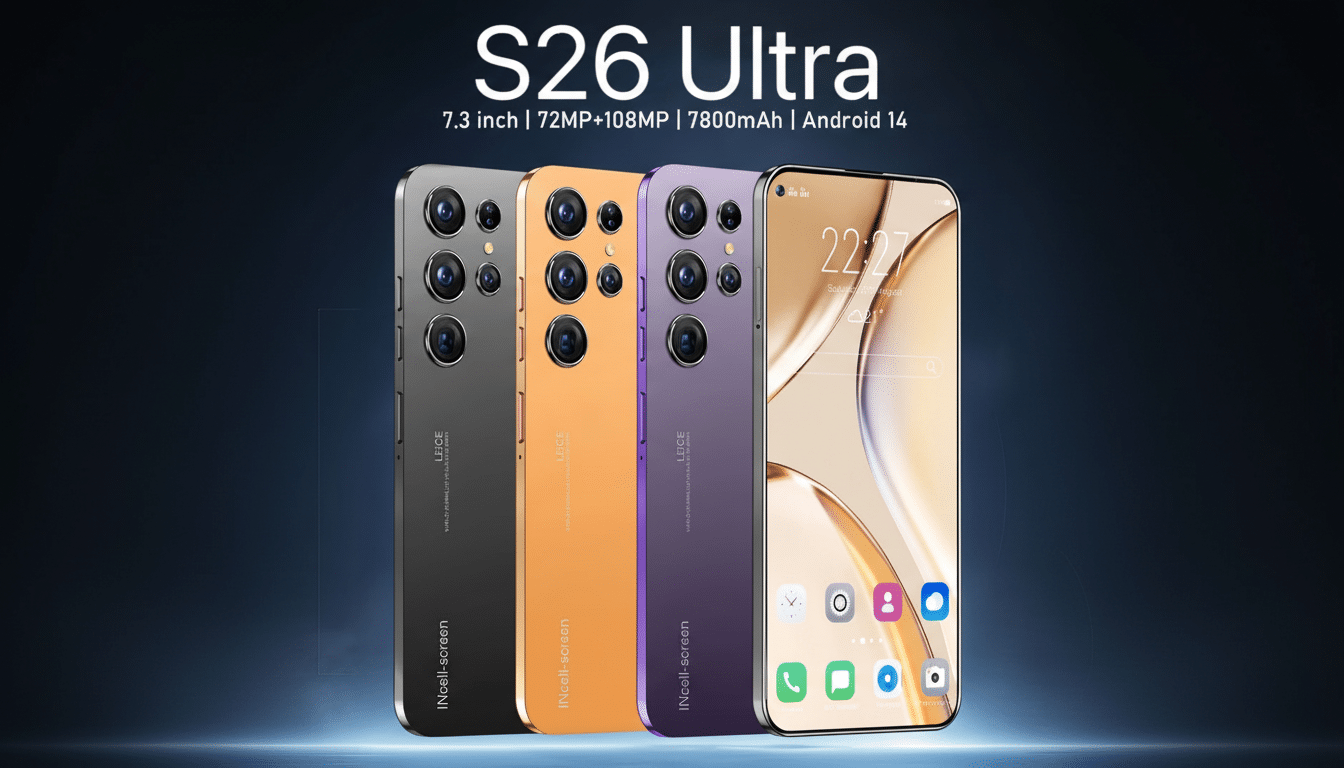
The upside is standardization. Because Samsung relies on open USB PD rather than proprietary protocols, a decent third-party PD PPS charger ought to hit high wattage, and your new 60W brick will also play nice with laptops and tablets. Backward compatibility with older Samsung phones is a given, though they’ll charge at their respective maximums.
Satellite connectivity keeps on growing
The 3C note for satellite support indicates a continuation of last year’s safety features, which included the headline feature on connected cars in select markets—the ability to send satellite-assisted messages. The broader industry move has been clear for a while now: Apple’s Emergency SOS via satellite made the feature common on high-end phones, and chipmakers like Qualcomm and MediaTek have been adding NTN (non-terrestrial network) hooks into their modems.
This, for Samsung, is less about ticking a box than it is the idea of capability. Two-way texting, more detailed location data, and broader carrier integration could turn satellite from a niche safety net into something that you can really rely on when going off-grid. Physical signal: check. Usefulness in the day-to-day: up to code and content deals, friends.
What to watch before the Galaxy S26 Ultra launches
Certification databases regularly spill the beans on power limits, but local variations may still determine specifics. Watch for matching power profiles in filings from Korea’s Safety Korea and the US FCC, and keep an eye out for the charger’s model number in Samsung’s accessory lineup to verify PD PPS specs and cable requirements.
Equally important is software tuning. Samsung charging behavior is often based on the battery’s temperature and usage conditions. Early testing will reveal whether 60W is able to maintain its lead beyond the initial charge window and at what point the phone backs off to prevent stressing the cell during longer sessions.
Bottom line: with its 60W listing, the Galaxy S26 Ultra is the strongest hint yet that faster wired charging is at last coming to Samsung’s most premium category, and that satellite comms will be along for the ride. If you’re going to upgrade, get ready to spend your hard-earned money on a new high-wattage adapter and cable that will unlock everything this hardware can deliver.