


Samsung’s latest Galaxy S26 teaser puts privacy front and center, showing a user flipping a “zero-peeking” switch and instantly shutting out shoulder surfers. The brief clip, posted by the company, hints at a hardware-level Privacy Display that narrows viewing angles on demand—without the washed-out colors and dim screens that plague stick-on privacy filters.
It’s a rare case where display engineering answers a very human problem: the person sitting next to you on a train, in a cafe, or on a plane who can’t help glancing at your messages, banking app, or two-factor code. The teaser suggests Samsung’s solution is both quick to toggle and granular in control.
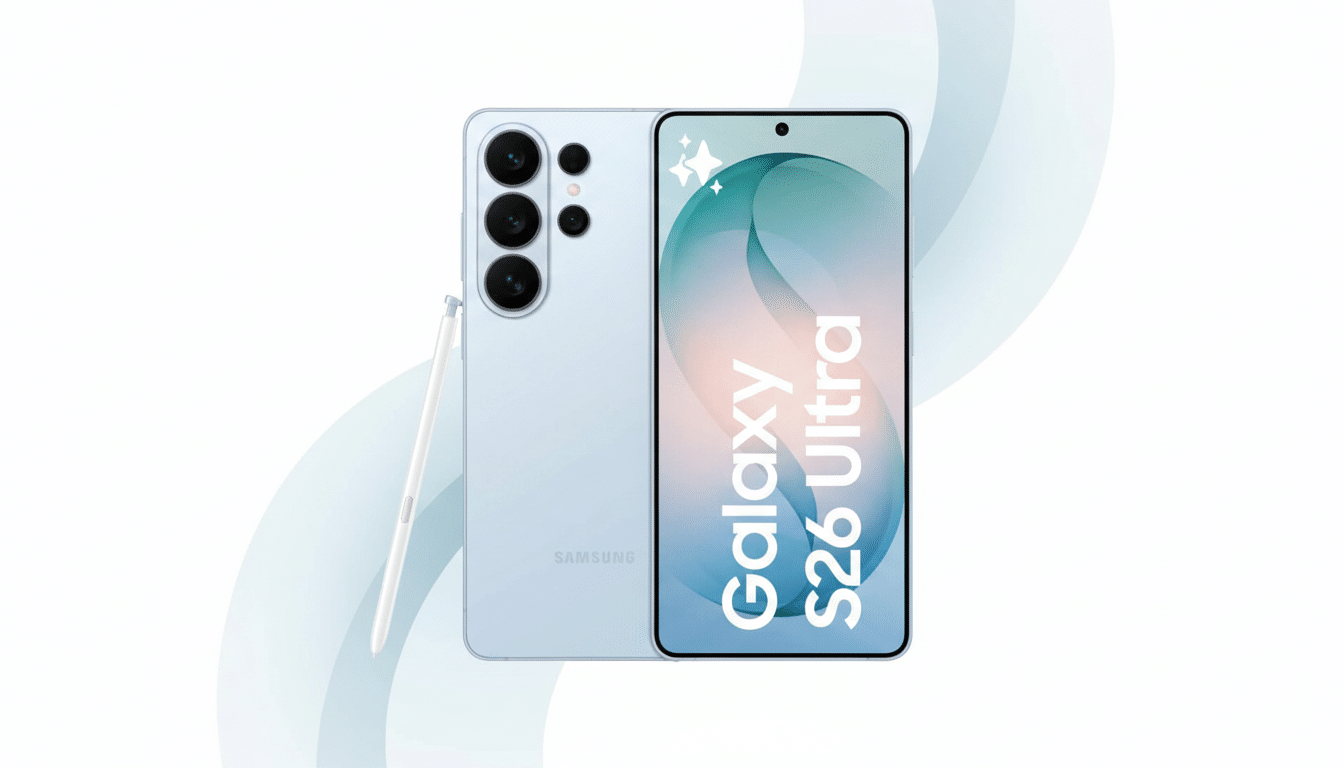
How Samsung’s Privacy Display Works On The Galaxy S26
Samsung is leveraging Samsung Display’s Flex Magic Pixel technology, which effectively “steers” how light leaves the panel to reduce side visibility. Instead of relying on a plastic overlay that acts like window blinds, this is integrated at the panel level. The benefit is obvious: fewer compromises to brightness, contrast, and color accuracy when you’re looking straight on.
Traditional privacy screen protectors can cut brightness substantially—manufacturers have long acknowledged trade-offs that can exceed 30%—and they’re indiscriminate, limiting visibility for everyone, all the time. Samsung’s approach is elective. The teaser and previous company briefings indicate you can tailor the behavior: lock down only certain apps, shield just parts of the interface such as notification previews, PIN pads, or sensitive settings, and leave everything else untouched.
This level of control matters for day-to-day use. You might allow full-screen YouTube or maps to remain shareable with a friend, then automatically clamp the viewing angle the moment a password manager opens. If executed well, it’s the kind of frictionless privacy that makes security usable—often the sticking point with privacy add-ons.
Why Shoulder Surfing Still Matters For Smartphones
Visual eavesdropping isn’t theoretical. The 3M Visual Hacking Experiment found that observers could capture sensitive information in 91% of attempts during short office visits. While that study focused on PCs, the risk translates to phones, which are unlocked far more often and used in public spaces. Statista estimates there are billions of active smartphone users globally, meaning the attack surface is vast, and the data at stake—bank balances, work emails, health portals—can be high-value.
Enterprises have responded with policies like clean desk rules and privacy screens on laptops, but phones have lagged behind. A built-in, opt-in privacy mode on a flagship handset could give IT teams a new tool without forcing employees to live with permanent display compromises. For consumers, the use cases are simple: check a verification code on a busy bus, review a boarding pass in a crowded line, or enter a PIN at a cafe without broadcasting it to the next table.
Trade-Offs And Open Questions About Privacy Display
As with any display innovation, details will matter. How narrow can the viewing cone get before it impacts group viewing? Is there a measurable hit to peak brightness or HDR performance when privacy mode is active? Does dynamically steering light cost additional power, and if so, is it negligible or noticeable over a full day? Samsung’s teaser positions the tech as a net upgrade over film-based solutions, but real-world testing will need to quantify those trade-offs.
There’s also the question of ecosystem integration. Tying Privacy Display triggers to app categories—finance, password managers, work profiles—or to specific on-screen elements such as biometric fallback PINs would be particularly valuable. Given Samsung’s emphasis on device security through its platform-level protections, the logical next step is deep alignment with system privacy controls and enterprise management tools.
What It Means For The Galaxy S26 Series Lineup
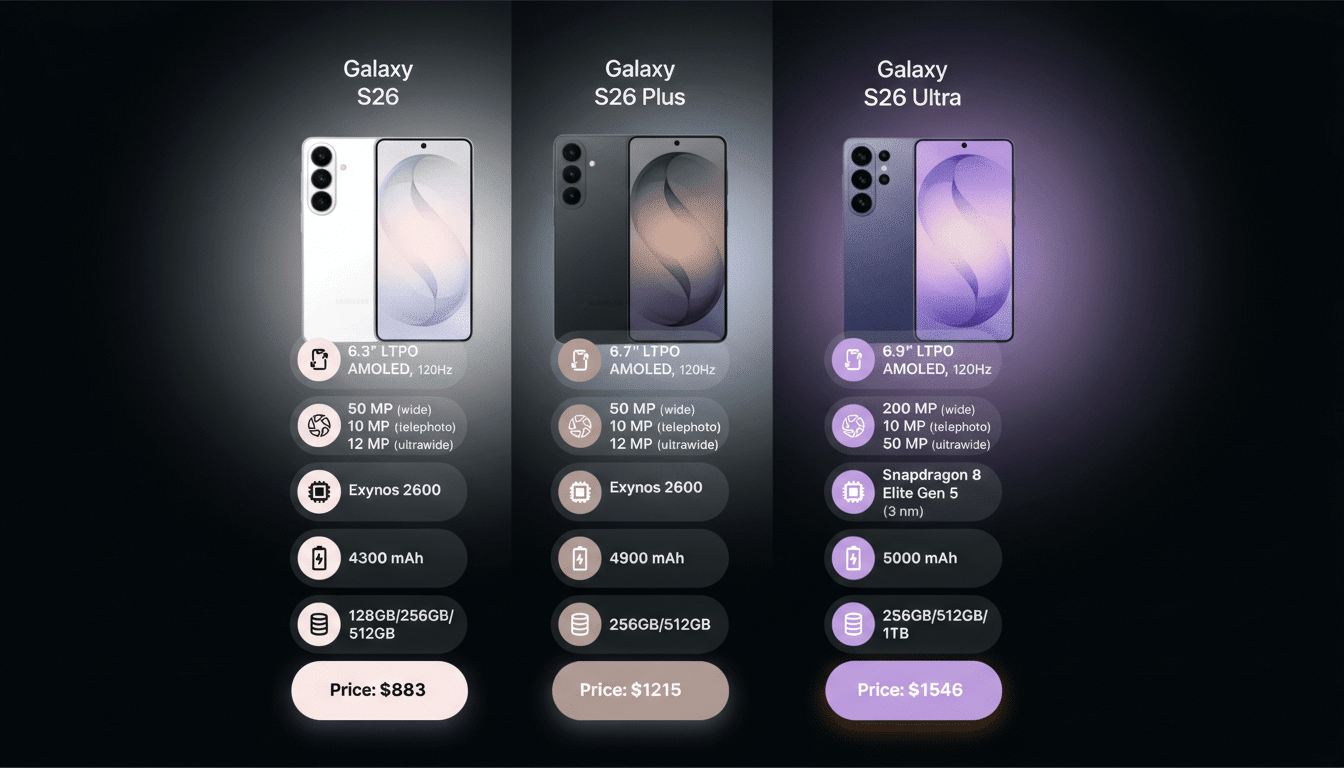
The teaser implies the feature will headline the Galaxy S26 series, with expectations especially high for the Ultra model. Samsung has already said its privacy display tech is coming to future phones, and industry chatter suggests it could extend to foldables down the line—an intriguing prospect for devices with larger canvases that are even easier to glance at from an angle.
It’s not the first time e-privacy has appeared in consumer hardware—HP’s Sure View and Lenovo’s PrivacyGuard have brought electronic privacy to business laptops for years—but it’s rare on smartphones. If Samsung can deliver laptop-grade privacy without the typical mobile compromises, this could become one of those small, constantly useful features that stick across generations.
For now, the message is clear: Samsung wants to make shoulder surfing a solvable problem. A hardware-driven Privacy Display that you can summon on demand, scope to the right apps, and forget when you don’t need it may be the most practical leap in phone privacy we’ve seen in a while.