


A fresh leak suggests Samsung’s next flagship is prioritizing smarter image processing over sweeping sensor changes, with a new noise reduction algorithm designed to deliver cleaner skies and fewer artifacts in everyday photos.
The tip points to visible improvements in scenes with broad, flat color areas—think cloudless horizons and pastel sunsets—where banding and blotchy textures can creep in. If accurate, this would address one of the most common complaints users have about mobile photos that look “processed” rather than natural.
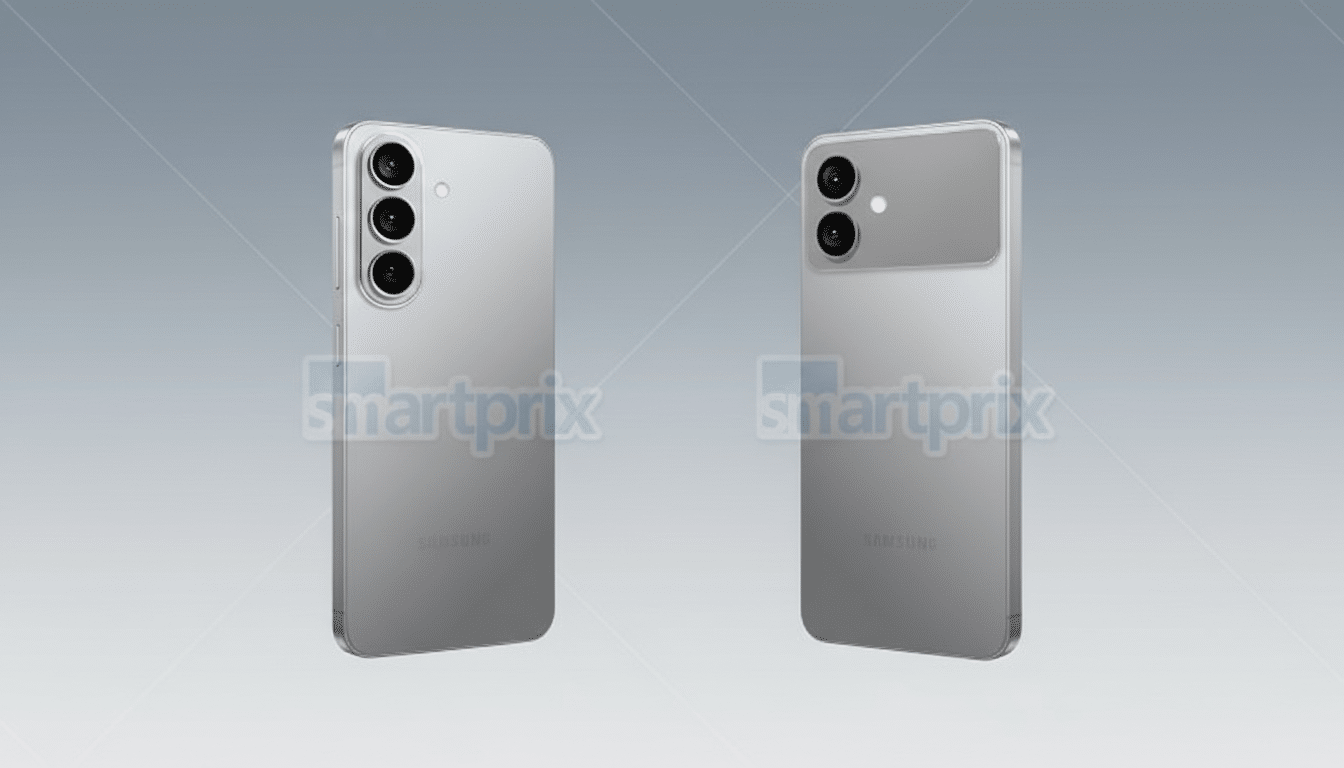
The rumored upgrade could dovetail with a new 24MP shooting mode, reportedly offering more detail without the file bloat or processing penalties of full-resolution captures. Together, these changes aim to balance sharpness and realism—two qualities that often work at odds in smartphones.
What’s Changing in the Galaxy S26 Camera Pipeline
Modern phone cameras lean heavily on computational photography. A smarter noise reduction system typically means more context-aware processing: separating luma from chroma noise, protecting edges and textures, and adapting to scene content so skies don’t get smeared while foliage retains fine detail.
Expect heavier reliance on multi-frame stacking in the RAW domain, where several exposures are fused before demosaicing. This approach, similar in spirit to Google’s HDR+ pipeline and Apple’s Photonic Engine strategies, improves signal-to-noise ratio without nuking texture. Neural models can then apply semantic masks—treating sky, skin, and architecture differently—to avoid the watercolor effect sometimes seen on older devices.
Gradient preservation is a big deal here. Banding often stems from aggressive tone mapping and 8-bit bottlenecks. Running a 10-bit or higher internal pipeline, paired with dithering and gradient-aware denoising, can keep skies looking fluid rather than stepped. Several industry camera tests, including evaluations from DXOMARK, consistently flag gradient management as a differentiator in top-tier scores.
Why 24MP Could Be the Sweet Spot for Everyday Photos
For years, 12MP was the default because it paired well with pixel binning and manageable file sizes. A 24MP mode doubles the pixel count—100% more spatial data—without jumping to unwieldy full-res files. In practice, that can mean tighter micro-contrast in textures, cleaner crops, and better mid-zoom detail.
It’s a trend building across the industry. Recent iPhones default to 24MP output from 48MP sensors, balancing fidelity and storage. If Samsung applies its new noise model to a 24MP pipeline, it can keep skies smooth while preserving brick patterns, fabric weave, and hair strands—areas where overzealous smoothing often hurts realism.
File sizes will vary by codec and scene complexity, but 24MP HEIF or JPEG often lands in a practical middle ground. Crucially, better denoising can reduce the need for heavy sharpening, which means fewer halos around buildings and cleaner text edges.
Real-World Impact You Might Notice in Daily Shots
Skies should show fewer “fault lines” and less mottling, especially at base ISO in daylight. Blue gradients ought to look like paint on a canvas instead of stacked stripes. This reduces the telltale “phone look” that creeps in when you zoom or view on large screens.
Night scenes could benefit from better chroma noise control in shadows, avoiding the green-magenta blotches that plague streetlights and dark walls. If semantic masking improves, skin tones can stay clean without plasticity, and foliage can retain leaf-level texture rather than collapsing into mush.
Zoom is another winner. A 24MP base with refined noise handling improves 1.5x–2x crops and can give mid-tele shots a leg up before any dedicated telephoto kicks in. Expect crisper fine print, signage, and distant textures.
How It Compares to Rivals in Noise and Detail Handling
Apple’s recent shift to 24MP and Google’s long-standing multi-frame denoising show where the bar is set: fewer artifacts, richer micro-detail, and smarter tone mapping. Huawei and Honor lean on scene-segmentation and fusion pipelines to similar ends. The latest Snapdragon and Exynos ISPs also tout AI-assisted denoising and semantic segmentation at the ISP level, which shortens processing time and reduces ghosting.
If Samsung’s implementation meaningfully reduces gradient banding and texture loss, it can close gaps seen in past comparisons where skies and complex textures occasionally revealed overprocessing. The real test will be how the camera balances noise and detail across lighting conditions, not just in marketing samples.
What to Watch in Reviews to Spot Real Camera Gains
Look closely at blue skies and low-contrast areas for banding. Zoom into 2x crops from the main sensor to judge micro-detail without sharpening halos. Compare skin texture across lighting; good noise reduction should keep pores and hair intact without grit. Finally, check shadow color accuracy at night—clean noise handling shouldn’t drain hues or add color blotches.
If these rumored changes land as described, the Galaxy S26 could deliver photos that look less “processed” and more photographic—subtle upgrades that matter more than a raw megapixel race.
