


Some editions of Samsung’s upcoming premium flagships could draw a bit more juice between charges while maintaining connectivity. Several reports have suggested the coming Exynos 2600 for some Galaxy S26 and S26 Plus models will use an external 5G modem, rather than an integrated one — which can consume more power during mobile data and voice sessions.
What changed and why the external modem choice matters
Today’s smartphone chips typically include the CPU, GPU (graphics processing unit), AI engine, and cellular modem in one package. That integration reduces signaling overhead and interconnect power, while also saving precious board space. With the modem off-chip, data shuttles across more interfaces and power gating is less tightly configurable, which can lead to greater energy use — particularly under taxing 5G workloads or in low-signal areas.
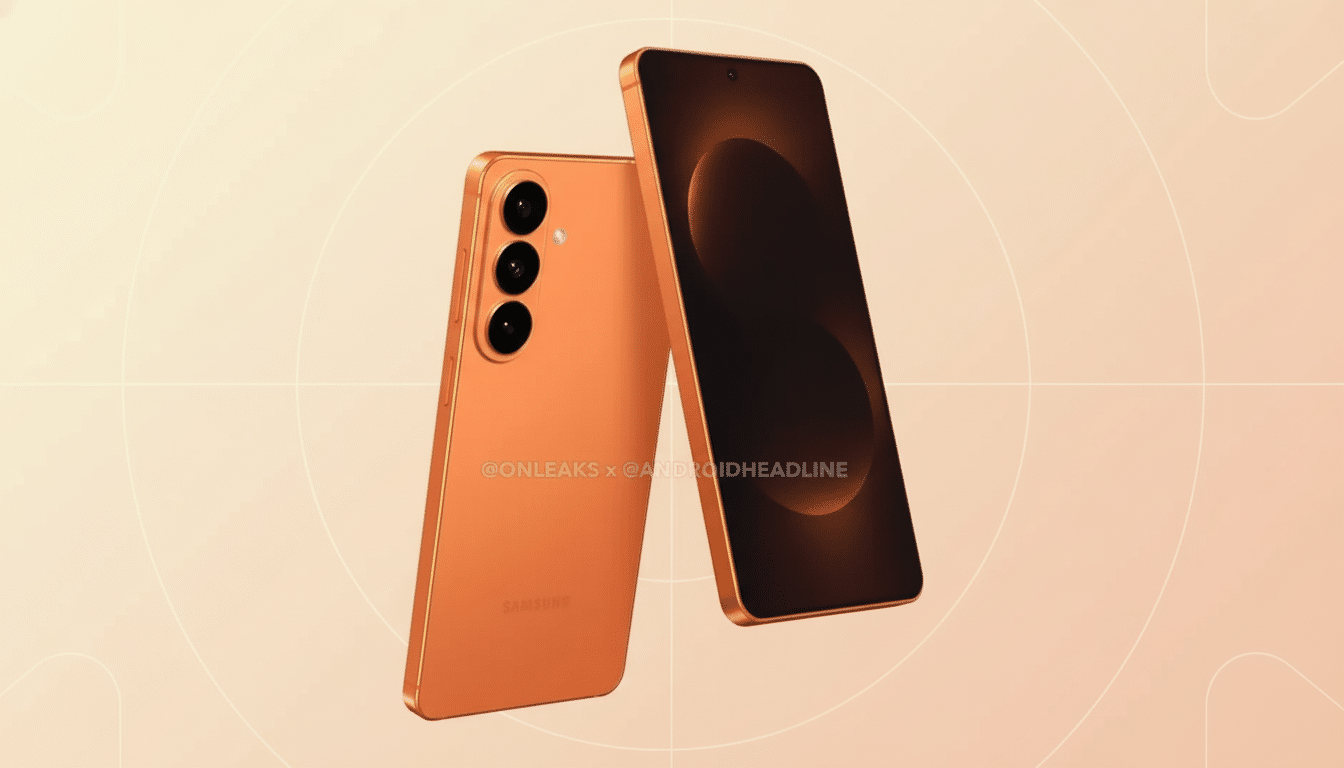
We saw an example of that dynamic a few years ago when Qualcomm brought out the Snapdragon 865 and coupled it with an external X55 modem. The combo delivered great speeds but typically consumed more power than the fully integrated flagships that came later. The external modem wasn’t a deal-breaker, but it did hearken back to questionable real-world connections.
Sources say the Exynos 2600 will rely on an external modem
Tipster Erencan Yilmaz and Korean outlet The Elec both reported that the Exynos 2600 does not have a built-in modem. A Samsung Semiconductor spokesman later confirmed to reporters that the 2600 has an “out-gauged design.” One report suggests an external Exynos 5410 modem, but specifics and branding details are not definitive yet.
It’s a significant move, as the Exynos 2500 and Exynos 2200 in recent flagships both incorporated their modems. Moving the baseband out of its system-on-chip bucks that trend and indicates Samsung has other silicon goals brewing — whether that’s on-die area, yields or cost, or modular flexibility across regions and carriers.
Real-world battery and thermal impacts you may notice
Variations in battery life from an external modem tend to emerge with heavier connectivity loads. Imagine all-day maps and streaming on 5G, tethering a laptop, cloud gaming, or big uploads to social platforms. This drain generally shows up under fringe coverage where the phone increases transmit power, with long uplink bursts and bands with wide channels or carrier aggregation. If your area is still rolling out mmWave, that’s generally the worst case for radio power.
Thermals can be a ripple effect. A thirstier modem means more heat under constant data. That can nudge the system to throttle earlier in workloads that combine connectivity and computing, such as live video capture with auto-upload. Day to day, you may not feel a difference while idling on Wi‑Fi, but road warriors and those with heavy mobile data usage will be the best canaries in that coal mine.
Efficiency offsets from process and RF design remain viable
There’s a counterweight: process technology. The Exynos 2600 is expected to rely on a 2nm node, which generally offers significant efficiency improvements compared to rival 3nm chips. Then, if the modem is produced on an advanced node and used with a state-of-the-art RF front end, the historical lead/lag for external options might shrink — and in certain cases may totally disappear.
Among other impressive specs, Samsung boasts a 10-core CPU design, an improved AMD-powered GPU with neural super-sampling, and a more powerful NPU (as well as thermal advancements like Heat Path Block). The phone’s net battery life could stay the same — unless you’re putting that cellular through its paces frequently and heavily.
What to watch for in tests and regional models before buying
Regional variants matter. Certain Galaxy S26 iterations are known to use Snapdragon silicon and an internal modem, while others are set to receive the Exynos 2600 variety and its external baseband. Independent battery tests by labs and publications — including controlled 5G streaming, tethering, and poor-signal endurance — will be the clearest indicators of any gap.
Take a look at carrier aggregation combinations, uplink features, and whether your local model has mmWave. You should also be on the lookout for modem idle characteristics — e.g., DRX/RRC Inactive behavior — that can affect standby drain in a modern 5G network where your device spends less time transmitting bits and more time waiting for them to come. Groups such as The Elec, teardown experts, and benchmarkers UL Solutions and GSMArena are the sorts that bring this information to light early.
Bottom line: An external modem adds a credible risk of higher power use during mobile connectivity, but it will depend on silicon efficiency, network conditions, and how you use your phone.
Yes, the Galaxy S26 variants that use Exynos may be a bit hungrier in this one respect — but it’s all about real-world testing when retail units arrive.