


Samsung’s next flagship may land with a heavier price tag in select regions, as multiple Korean reports indicate a notable increase for the Galaxy S26 lineup. The most eye-catching change centers on higher storage tiers, where the 512GB models are tipped to jump by roughly 160,000 won, or about $110, in the domestic market.
Galaxy S26 Price Changes by Storage, At a Glance
According to Korean business media, the 256GB versions of the Galaxy S26 series are expected to rise by 99,000 won, roughly $69, compared to the current generation. For 512GB variants, the increase is steeper at around 160,000 won, translating to about $110. Sources suggest these adjustments mark the first significant domestic hike since the Galaxy S23 era.
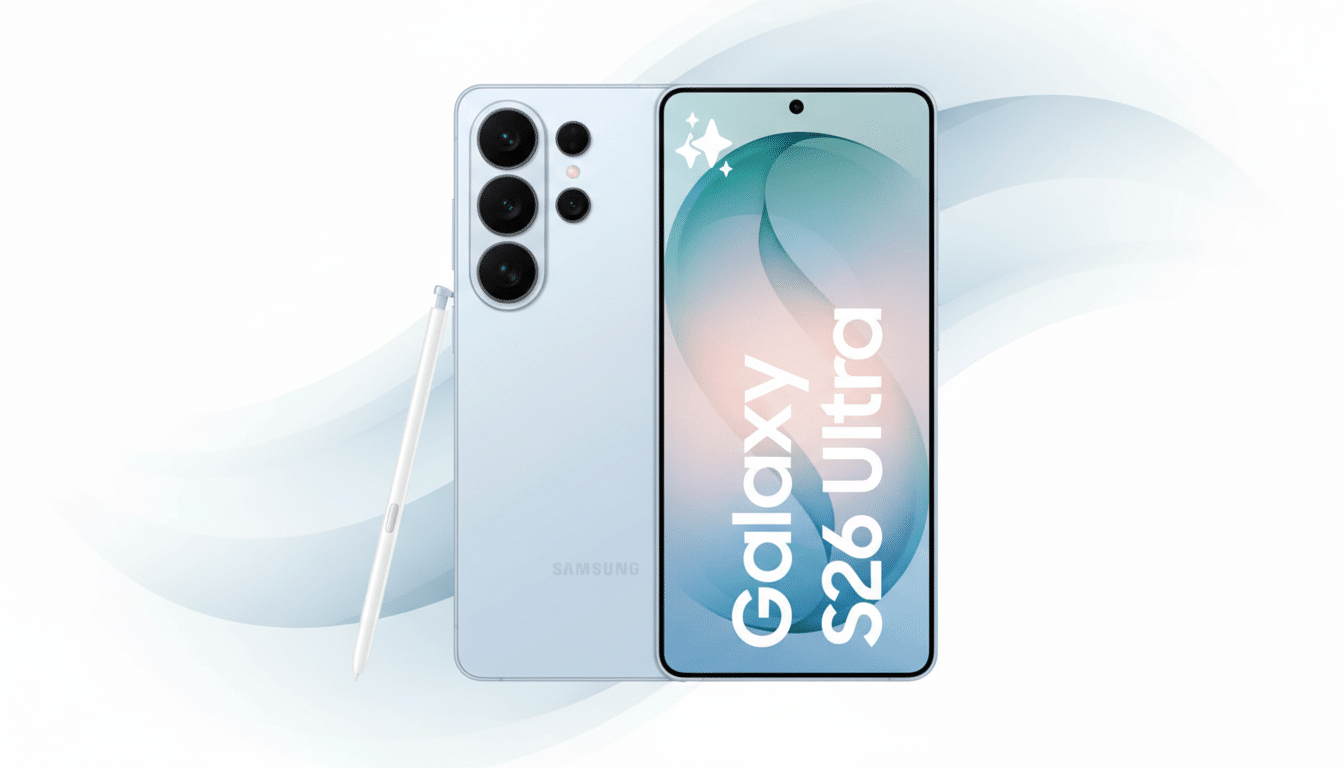
The picture outside Korea appears mixed. Industry chatter indicates Samsung plans to hold the line on pricing in the US and parts of Western Europe, effectively absorbing higher component costs to keep MSRPs familiar. In other regions across EMEA and APAC, however, price lists may shift, with the 512GB models most likely to cross the $100 threshold over previous equivalents.
Why Samsung Is Raising Galaxy S26 Prices This Year
The driver is not flashy design or a one-off component, but memory. Demand for DRAM and high-bandwidth memory has surged amid the AI boom, pushing suppliers to prioritize lucrative data center orders. That tightens supply for smartphones and inflates costs for mobile-grade RAM and NAND.
Analysts at TrendForce have documented sequential increases in DRAM contract prices through recent quarters, with mobile DRAM seeing double-digit climbs. Market commentary from SK hynix, Micron, and Samsung’s own memory division has reinforced the same theme: constrained capacity, brisk AI demand, and firmer pricing. As a result, memory’s share of a premium phone’s bill of materials has ballooned from roughly 10–15% to as high as 30–40% for some configurations.
Layer on top the push for on-device AI features, which encourage larger RAM configurations and faster storage, and the cost stack grows further. While chip nodes and display technologies typically trend down in cost over time, the current memory cycle is moving in the opposite direction—forcing OEMs to either accept lower margins or pass through some of the increase.
What Galaxy S26 Buyers Should Expect By Region
In the US, retail pricing for the Galaxy S26 family is widely expected to mirror the outgoing generation, aided by aggressive trade-in credits and carrier subsidies. Western Europe may see a similar approach, though final MSRPs can still vary by country due to VAT, distribution costs, and currency swings.
Elsewhere, particularly across parts of EMEA and APAC, local pricing could shift upward, with the 512GB models most exposed. Even so, promotional tactics—introductory credits, storage upgrade offers, and bundled services—often temper the headline numbers during the launch window. Savvy shoppers should compare pre-order incentives against the projected storage tier jumps, as the 256GB increase (~$69) and the 512GB bump (~$110) change the value calculus.
Context From The Wider Smartphone Market
The industry has been nudging upward in average selling prices as buyers gravitate toward premium devices and as brands add AI-centric features. Counterpoint Research has noted that premium-tier share is at or near record highs, supporting higher ASPs even when unit volumes fluctuate. Meanwhile, component inflation and currency volatility have already prompted uneven price moves across rival flagships in select markets.
Against that backdrop, Samsung’s strategy appears split: protect headline pricing in key markets to maintain competitiveness, while selectively adjusting in regions where market dynamics allow. If memory pricing cools later in the cycle, some of these increases could moderate—but for now, the cost pressures are real and concentrated in higher-capacity models.
Bottom Line on Likely Galaxy S26 Pricing Changes
Expect the Galaxy S26 to carry familiar stickers in the US and parts of Europe, but brace for higher tags elsewhere—especially if you want 512GB of storage. The reported 99,000 won hike for 256GB and 160,000 won for 512GB illustrate how AI-era memory economics are rippling straight to retail shelves. If you are on the fence between storage tiers, weigh launch promotions carefully; the best deal may be the one that neutralizes those memory-driven increases.