


A fresh leak suggests the standard Galaxy S26 could jump from 25W to 45W wired charging, transforming what looked like a minor refresh into a more meaningful upgrade for everyday users. If accurate, the bump would address one of the most persistent complaints about Samsung’s entry flagship while keeping pace with fast-charging trends across Android rivals.
Why a 45W Charging Bump Actually Matters for Daily Use
On paper, 25W to 45W sounds incremental. In practice, it shortens top-ups noticeably. Independent lab tests on recent Galaxy models from outlets like GSMArena and DXOMARK show Samsung’s 45W implementations typically shave 10–20 minutes off a full charge versus 25W, with bigger gains in the crucial 0–50% window. For commuters and heavy social media users, that is the difference between anxiety and confidence before heading out the door.
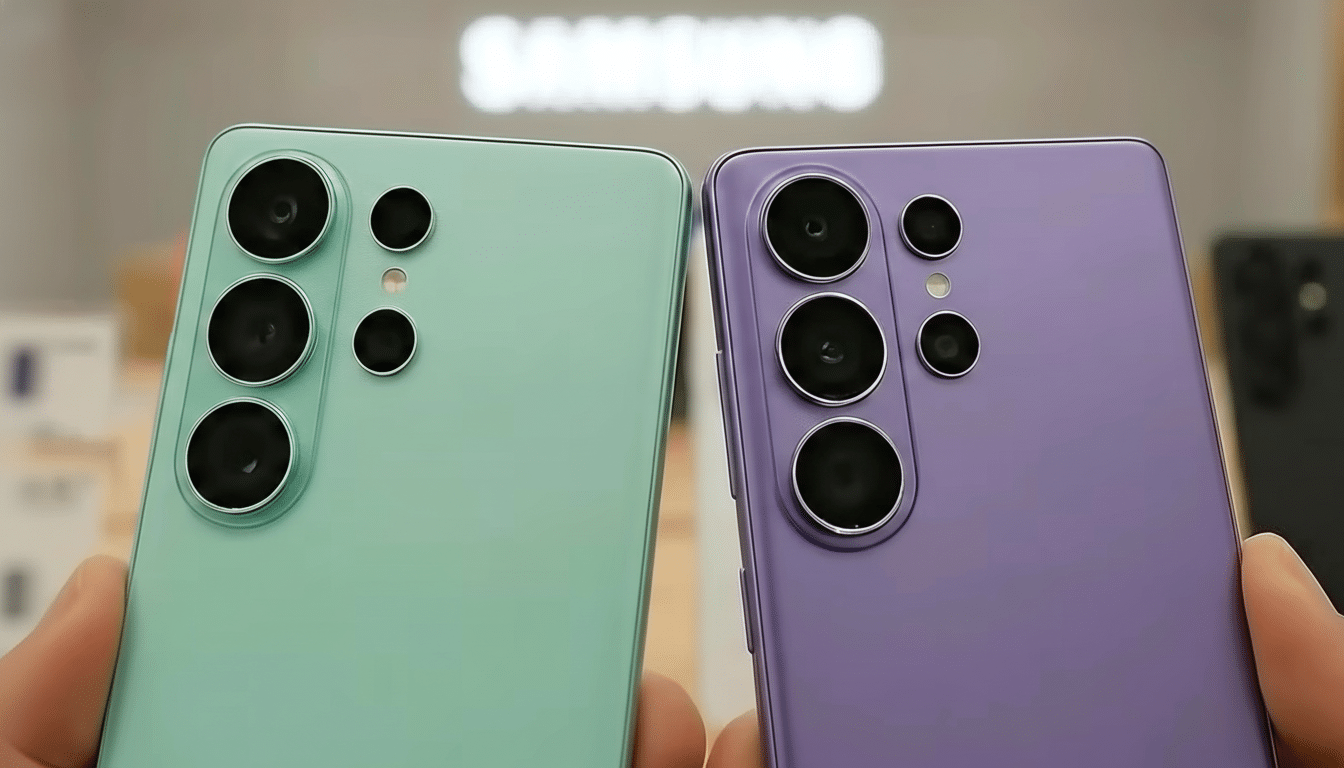
The base S26 is widely rumored to keep a 4,300mAh battery, so faster charging would be the primary power convenience upgrade. Samsung uses USB Power Delivery PPS, meaning a compatible 45W adapter would be required to hit peak speeds. As chargers aren’t included in the box, buyers should factor in the cost of a certified PPS brick to realize the benefit.
Conflicting Rumors but Renewed Momentum for Faster Charging
Earlier reports had dampened expectations for a charging upgrade on the base model, but the claim has resurfaced via tipster Ahmed Qwaider. The chatter aligns with parallel hints that Samsung is rethinking power delivery across the lineup. Separate regulatory documentation has already indicated a step-up to 60W for the Ultra variant, reinforcing the idea that faster charging is on the agenda this cycle.
The Plus model is expected to remain at 45W, which fits Samsung’s recent strategy: keep the middle device steady and give the Ultra a premium ceiling, while making the entry model more appealing with a practical quality-of-life win.
How It Stacks Up Against Rivals in Real-World Charging
Samsung has historically been conservative on wired speeds compared to Chinese brands. OnePlus and Xiaomi routinely push 80W to 120W in some markets, delivering very rapid full charges. However, those systems rely on proprietary standards. In the U.S. and Europe, 45W over USB PD PPS is a sweet spot for broad compatibility and heat management.
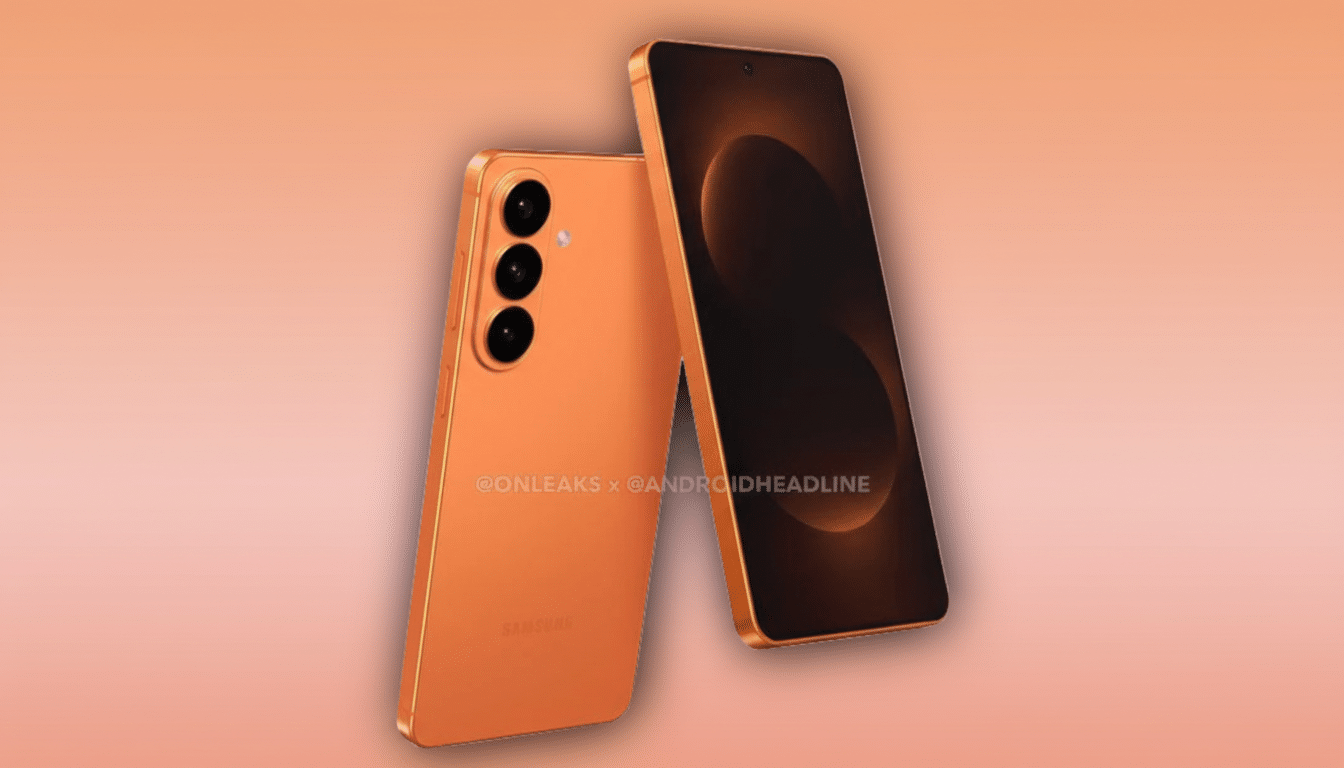
Against core competitors, the move would land well. Apple’s current flagships hover in the mid-20W range in independent testing, while Google’s top models sit roughly around 30W. A 45W base Galaxy would feel meaningfully snappier to refuel without straying from widely supported charging protocols.
Silicon and Thermal Headroom Enabling Faster Charging
Rumors point to Samsung’s Exynos 2600, built on a 2nm-class process, powering the S26 and S26 Plus in some regions, with Qualcomm’s Snapdragon 8 Elite Gen 5 reserved for the Ultra globally. Regardless of region, next-gen silicon typically brings efficiency gains that reduce heat under load. That, in turn, helps phones sustain higher charging currents longer and avoid aggressive thermal throttling during a top-up.
Pair that with Samsung’s maturing battery-management software and improved cell chemistry, and you get a safer, steadier fast-charge profile—something consumer testing firms have emphasized as critical for long-term battery health and user satisfaction.
What It Means for Buyers Considering the Galaxy S26
If the 45W rumor sticks, the base Galaxy S26 immediately looks less like a “skip year.” Faster refueling changes daily behavior: a 10-minute coffee stop can add a meaningful buffer, and a quick pre-commute plug-in becomes genuinely useful. For many shoppers, battery life and charging speed rank among the top upgrade drivers, according to recurring findings from Counterpoint Research and other market analysts.
Practical advice if you’re interested: plan on a USB PD PPS 45W charger and a high-quality cable to maximize speeds, and wait for independent measurements from labs that track 0–50% and 0–100% times. If the Ultra’s 60W ceiling and the base model’s 45W upgrade are both confirmed, Samsung’s 2026 lineup would deliver a more balanced power story—giving the standard S26 a real-world perk that’s hard to dismiss.