


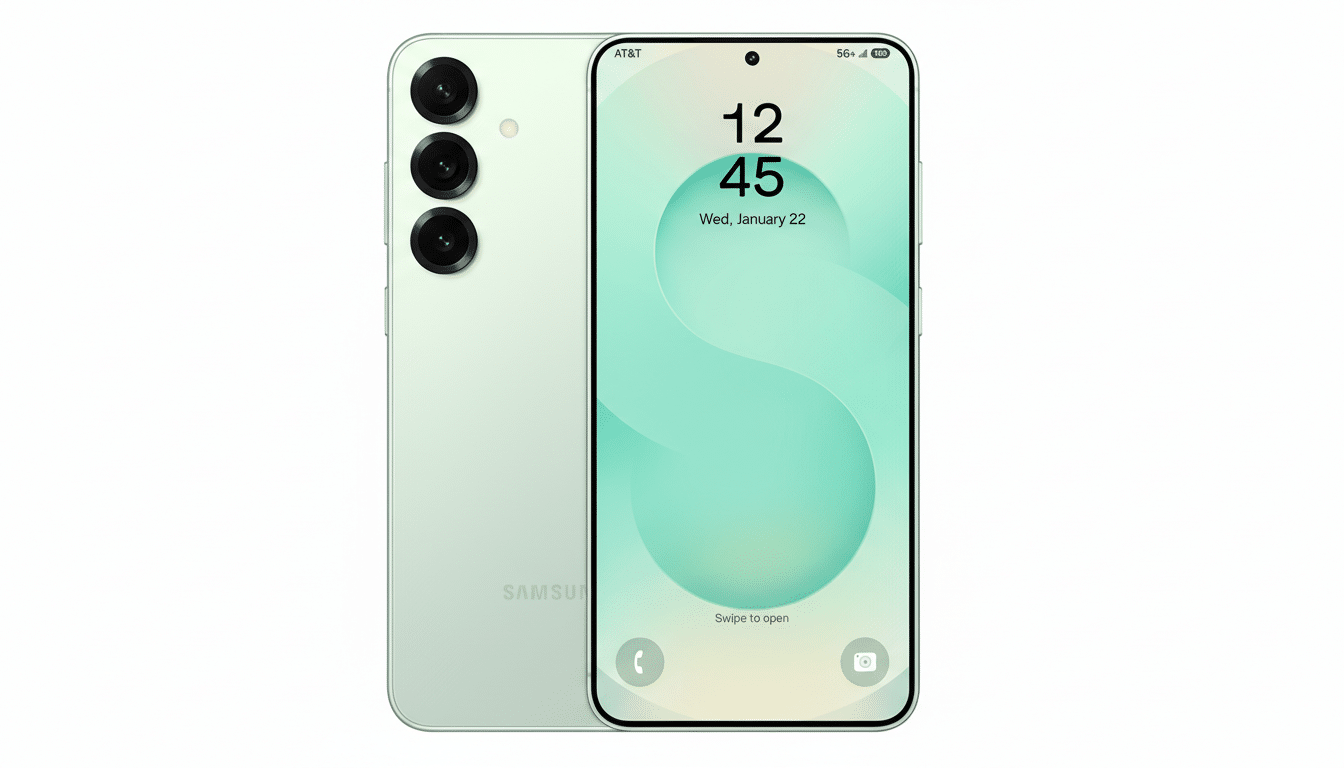
A late-night Galaxy S25 Plus charging session ended in a carpet-scorching blaze and a household evacuation, spotlighting what actually happens inside a lithium-ion failure and what the rest of us should learn from it. No widespread pattern has emerged, but the incident underscores the narrow margin between an everyday routine and a high-heat emergency when a battery enters thermal runaway.
Inside the Fire: The Minutes That Matter Most
The user described a sharp crackling like popcorn, followed by a hiss and visible smoke from the phone left charging on the bedroom floor. Water doused the visible flames quickly, but the device kept venting and smoking for 15–20 minutes. First responders escalated the call due to the lithium-ion battery, ultimately involving fire investigators and hazardous materials protocols.

An official report reviewed by the household concluded the battery underwent thermal runaway and ignited nearby flooring, classifying the event as accidental. The manufacturer’s separate analysis suggested an external force, but the company acknowledged there was not enough evidence to determine a definitive cause. That disparity is common: after severe heat damage, conclusive forensics can be elusive.
Why Batteries Fail the Thermal Runaway Chain
Thermal runaway is a feedback loop: rising temperature triggers internal reactions that generate even more heat. Cells vent flammable gases, pressure builds, and the pack can erupt in jets of flame. Research from UL’s Fire Safety Research Institute notes internal temperatures can exceed several hundred degrees Celsius, with re-ignition possible after flames subside. Overheating, manufacturing defects, damage from impact, or charging on heat-trapping surfaces can all be contributing factors.
Warning cues often include popping, hissing, a sweet or solvent-like odor, and white or gray smoke that irritates eyes and throat. Critically, the reaction may continue even when the visible flames are out, which is why smoldering devices often relapse minutes later.
What to Do During a Smartphone Fire at Home
If it’s safe and you can reach the outlet, disconnect power first. Create distance from combustibles and ventilate the room. Avoid inhaling fumes—this smoke contains irritating and potentially toxic decomposition products. If flames are small and you’re trained, a Class ABC extinguisher can knock them down. Expect the device to keep heating; re-ignition is common.
Fire departments and NFPA guidance emphasize that professionals use copious water to cool and prevent propagation, but they do so with protective gear and respiratory protection. For consumers indoors, water can spread hot material and chemicals and should be used with caution. The safer layperson approach: evacuate if the device is actively burning and call emergency services. If the phone is only smoking and you can do so without risk, place it with tongs on a noncombustible surface such as concrete, away from anything that can catch fire, and monitor from a distance.
Prevention matters. Charge on hard, ventilated surfaces—never on bedding or carpet. Use certified chargers and cables from reputable brands. Stop using a device that swells, overheats, or smells odd. Keep updates current, and avoid crushing or dropping phones that can damage the battery’s internal layers.
Health and Aftercare Following Battery Smoke Exposure
After any lithium-ion fire, ventilate thoroughly. If smoke was inhaled or symptoms such as coughing, chest tightness, or headaches develop, seek medical advice and mention battery fumes; Poison Control can offer guidance. Document the scene, keep receipts for damaged items and remediation, and file an incident with the product manufacturer and with consumer safety authorities such as the U.S. Consumer Product Safety Commission. Your insurer may require a fire report for claims.
How Rare Is This Kind of Smartphone Battery Fire?
Lithium-ion incidents span many product categories, with e-mobility devices dominating recent fire statistics in major cities. FDNY reported hundreds of lithium-ion fires annually in recent years, largely driven by e-bikes and scooters. By contrast, smartphone fires are comparatively rare, though not unprecedented. The 2016 Galaxy Note 7 recall removed about 2.5 million units worldwide after dozens of overheating reports in the U.S. alone, illustrating how aggressively the industry acts when a defect pattern is verified.
Airline data also reflect the risk profile: FAA reporting shows most in-flight battery incidents arise from small personal electronics, but the absolute numbers remain low relative to billions of devices in use. The takeaway is not panic—rather, disciplined charging habits and prompt action at the first sign of trouble.
What Manufacturers and Regulators Can Do
Experts point to stricter cell-level quality control, improved separators and venting, better battery management algorithms, and physical safeguards such as thermal fuses. Compliance with standards like UL 1642, IEC 62133, and UN 38.3 is baseline; transparent post-incident playbooks and dedicated support lines could further reduce harm when rare failures occur. Clear consumer guidance on what to do in the first 60 seconds would likely prevent secondary damage and injuries.
The S25 Plus incident is a reminder that even compliant devices can fail under certain conditions. The best defense is awareness: charge smart, recognize early warning signs, prioritize your breathing and exit path, and let trained responders handle what is, at its core, a hazardous materials event in miniature.