


One single side‑by‑side photo does what 11 pages of spec sheets often cannot: it makes the story about thickness very, very clear. Both the Galaxy S25 Edge and iPhone Air are ultra‑slim flagships, but how they get there — and how that thinness feels — might affect your choice before you even power them on.
A Side-by-Side Comparison That Leaves No Doubt
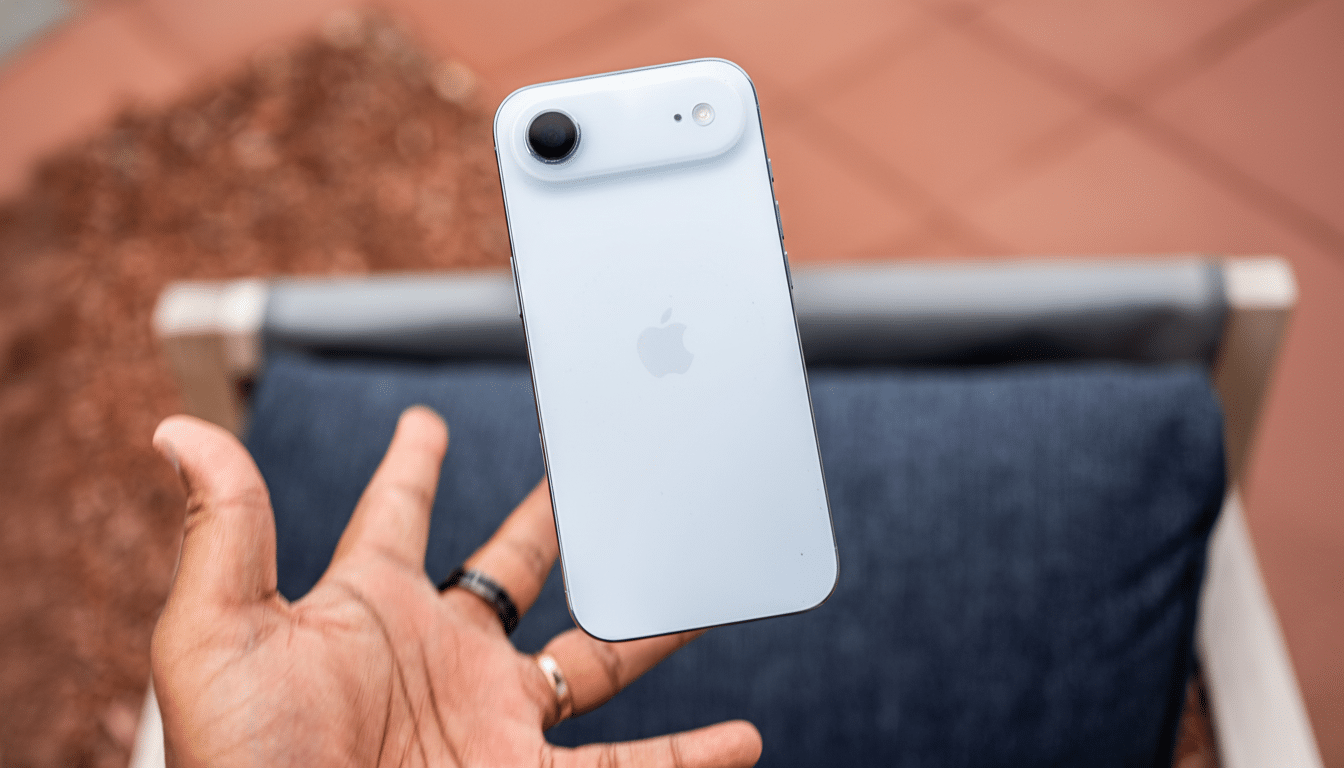
Side-by-side, the iPhone Air is already looking and feeling thinner through the center of its frame than the Galaxy S25 Edge does at that device’s rails. That impression isn’t a trick of the camera. It’s all down to geometry: rounded edges make for compressed visibility of the Air’s silhouette, while the flat sides of the Edge amplify the slab-like profile.
Official Sizes vs What It’s Really Like in Your Hand
The iPhone Air, as per Apple, measures 6.15 x 2.94 x 0.22 inches and weighs 5.82 ounces. Do the conversion to metric, and you get something like 5.6 mm thick and around 165 grams. Samsung’s product sheet says that the Galaxy S25 Edge is 6.23 x 2.98 x 0.23 inches and weighs in at around 5.75 ounces, which works out to about 5.8 mm and around 160 grams. According to the spec sheet, the Air is ever so slightly thinner by 0.01 inch (or about a quarter of a millimeter), which I will remind you is literally one one-hundredth of an inch, less than the thickness of your average sheet of copy paper.
But in hand, they don’t feel all that close. Its rounded case and slightly narrower width are more comfortable in your palm than those of the Edge, whose flat rails and a wider face make it seem bigger. It’s a good reminder that dimensions are only the beginning, and edge curvature, weight distribution, and width-to-thickness ratio all bring other important factors to the table.
Why Millimeters Matter: Camera Bumps and Design
There’s another wrinkle: camera modules. Measured from body to flush, the Air is slimmer. It turns out when the measurement is made at the camera, the equation flips. The iPhone Air is about 0.45 inches at its lens, while the Galaxy S25 Edge hovers around 0.40 inches. (That extra half-millimeter up here and down there, in a pocket or on a table, can dictate wobble, case choice, and perceived thickness where chart figures do not actually land.)
How are these phones so thin in the first place? Both companies employ space-saving tricks we’ve seen in recent teardowns: more components stacked closer together, boards that fit too snugly to be easily separated, and managed thermal paths. Going eSIM-only is part of Apple’s journey to ditch the SIM tray and reclaim internal volume that can be spent on battery life or structural reinforcement. Samsung fights back with compact camera periscopes and squished battery packs. These are the same trade-offs that freed ultra-thin models such as the Vivo X5 Max and Oppo R5 to shave away millimeters of douchebag rep (though more often than not at the expense of a bigger camera shelf or lightning-fast fades).
For comparison, your typical top-tier mainstream flagship is in the 7–8.5 mm thickness range, according to compiled manufacturer specs and industry databases.
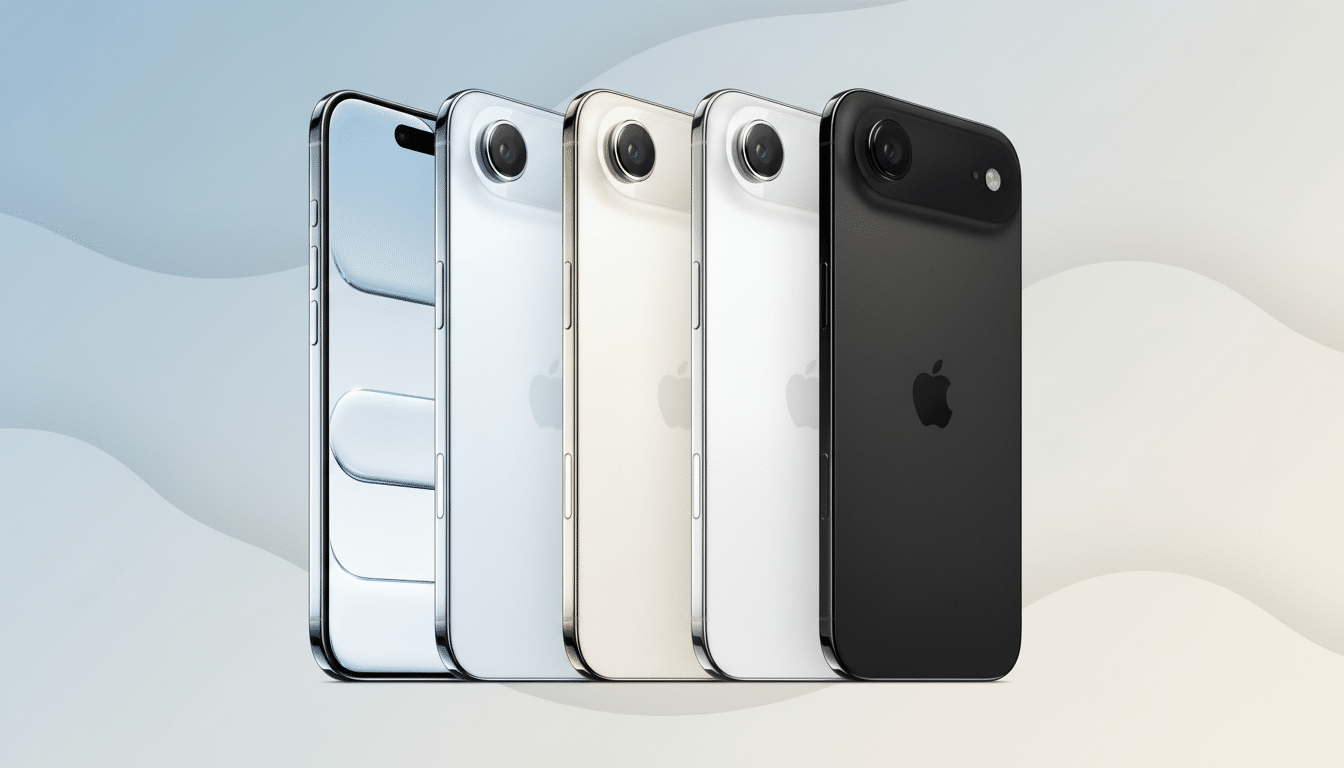
The Air and Edge both fall some way short of that — 5.6–5.8 mm, if the evidence supports it! — which only draws your attention even more to details like frame shape and how high the camera protrudes from the back.
Price, Display, and Practical Trade-Offs to Consider
The Galaxy S25 Edge gives an equally svelte design but with a bigger display — 6.7 inches to the iPhone Air’s 6.5-inch screen size. The Edge is also a bit lighter based on specs, even with the larger screen. Pricing differs: the iPhone Air is cheaper to start, while the Edge usually demands a premium. That gap, depending on region and configuration, might be enough to push budget-minded buyers toward the Air.
Cameras can change the calculus. The Galaxy has a longer optical reach, so it wins out in the real world for travel and sports, while the iPhone Air is more ergonomic for one-handed use over days with long scrolling sessions. Battery life will come down to the vagaries of software tuning and screen implementation, but this is an engineering reality: Once you pack a phone down to under 6 mm, it becomes less a question of if features can fit inside than how they enhance day-to-day use every time you add back a cubic millimeter with tight boards, camera gussets, or eSIM packaging.
Bottom Line: What’s Thinner in Phones Today?
By the numbers, again, the iPhone Air is thinner in its main body. Over at the camera, the Galaxy S25 Edge is thinner. Held in the hand, because of its rounded edges and ever so slightly narrower frame, the Air feels a bit slimmer than it is, a distinction that’s immediately noticeable when you have both devices side by side.
If you value the very slickest profile against palm and pocket, then the iPhone Air has it. If you care most about reducing the (already pretty minor) camera bump, and want a little more zoom range, the Galaxy S25 Edge is tempting. Either way, the photo doesn’t lie: Thinness isn’t just a spec — it’s the product of savvy design choices that you can feel from the moment you pick up one of these phones.