


A traveler’s smart ring had to be removed when its battery apparently ballooned while on his finger, leading to pain, swelling and an airport ordeal culminating in a hospital visit. The owner, tech creator Daniel of @ZONEofTECH on X, posted images showing a constriction-burned Galaxy Ring pressing into his finger and later the ring’s deformed internals outside it.
According to the posts, swelling started in the gate area and prevented the ring from being removed. Airline personnel refused to let the user board, and encouraged him to seek medical assistance. Hospital personnel finally got the ring off by icing to reduce swelling and sliding it off with a medical-grade lubricant. Early tries using soap and hand cream ended up making it worse as the ring continued to warp, according to reports.
Samsung’s UK support account replied publicly on X and requested that the user send a direct message so it could be escalated. There appears to be no larger problem just yet, and there is no official recall.
What Happened and How the Galaxy Ring Issue Was Resolved
The episode would seem to be a case of battery swelling, in which a lithium-ion cell releases gas and expands inside its enclosure. In a solid shape like that of a metal ring, there’s little or no room for such expansion; the cell can push outward, transforming the device into a tight band around the finger. That’s why the first noticeable symptom here was something physical — mechanical pressure and pain, not smoke or flame.
Doctors stuck to a standard protocol for removing a ring: reduce swelling through cold, then reduce friction with an appropriate lubricant. And they wisely didn’t go with cutting tools that might pierce a stressed cell. When taken out, images posted by the owner reveal a distorted internal structure that looks like deformation of the battery.
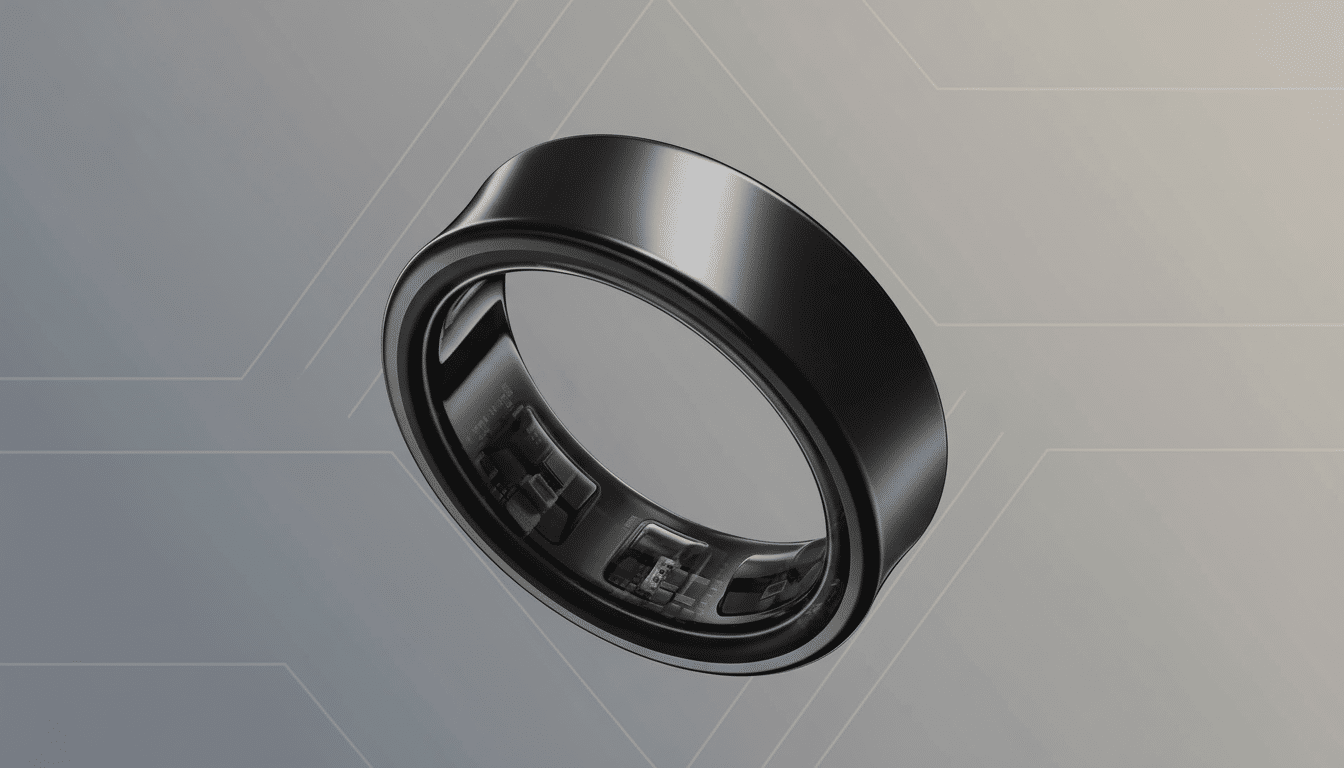
The Galaxy Ring is a small health-tracking wearable that launched this year with weeklong battery aspirations, depending on size and usage. Although battery life and comfort have been the buzzwords in smart rings, this event underscores a different sort of engineering difficulty: putting a lithium cell inside a rigid, skin-contact device with little thermal or mechanical slack to give.
How Uncommon Is Battery Swelling With Wearables
Consumer batteries can split, causing separator layers between the battery and its casing to swell under pressure. In phones and watches, it usually crops up in sporadic cases associated with cellular defects, physical damage or environmental stress. Miniaturized wearables up the ante: small pouch cells are packed into a confined space with minimal room for expansion and any deformation can convert directly into pressure against the skin of its wearer.
Standards such as IEC 62133 and test regimens certified by UL Solutions are intended to screen for risks like these, and manufacturers perform abuse tests that simulate heat, overcharge, vibration and crush.
Even so, achieving zero risk with lithium-ion chemistry is unrealistic. Regulators have taken action in the past when such patterns emerge — fitness trackers and smartwatches have been recalled amid burn hazards, and aviation authorities keep guidance on how to deal with smoking or overheating devices onboard.
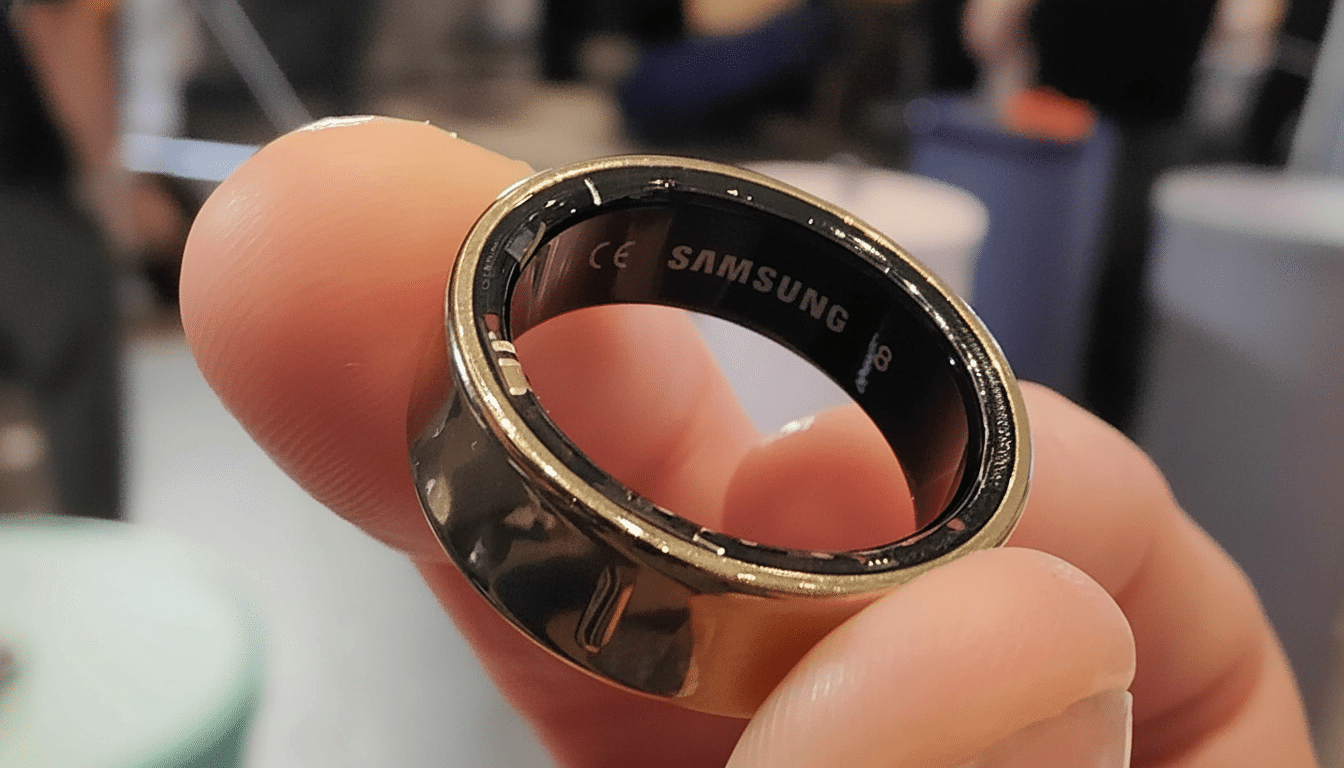
For rings in particular, incumbents like Oura and newcomers such as Ultrahuman and Circular cram sensors, radios and batteries into a shell of titanium or steel marginally thicker than those airtight plastic containers designed to store food in your refrigerator. That architecture provides comfort and sleep-friendly wear, but it also means any cell anomaly can rapidly turn into a fit-and-safety problem. So far, accounts of ring swelling have been extraordinarily rare and this report is exceptional, although in its content it confirms how small miniaturization can be.
Air Travel Safety Concerns and Crew Response Protocols
Then there was the timing of this incident — right before boarding. Guidance for safe aviation practice dictates that any unit which evidences overheating, smoke or damage should be isolated. Although a puffy ring is not equivalent to a smoking battery pack, flight crews are instructed to play it safe. The risk posture called for being denied boarding, and when the device could not be readily removed, it made sense.
If a smart ring heats up, swells or induces sudden pain and tightness, it is best to discontinue use immediately and avoid bending or puncturing the device if you are unable to safely remove it; keep your finger dry and seek help from professionals.
Do not freeze, microwave, saw, or open the device. Record the problem and call the maker for an appropriate investigation and new piece.
What to Watch for Next From Samsung and the Industry
From there, next steps for the manufacturer generally involve securing the unit in question for analysis; checking batch records for a particular battery lot or lots and whether any known associated issues have been identified; and reviewing assembly tolerances and adhesives around the cell.
And though such high-profile cases can lead to more quality audits and software checks, like flags when the firmware senses unusual charging or temperature behavior, any phone company raising alarms is a potential victim.
For consumers, the takeaway here is that serious battery catastrophes in rings are still rare, although awareness counts. If you see a sudden drop in your battery level, feel any unusual heat during charging or notice any change including the fit of your device itself, stop use and contact the manufacturer. Smart rings offer discreet health tracking and a level of comfort that watches simply can’t match; delivering on those expectations is down to rigorous component sourcing, conservative charging profiles and timely communication when things don’t go as expected.
The kerfuffle underscores a larger truth about today’s wearables: their size and commitment to being all-day wearable, if not always unobtrusive, afford them very little room for error. The measure of the industry won’t just be how powerful or long-lasting its devices are, but how quickly and transparently it responds when safety issues arise.