


Owners of Samsung Galaxy devices are at last receiving Google Play system updates, bringing an end to weeks of complaints about devices being stuck on old builds.
The relief is bittersweet, though. Initial reports suggest the rollout is targeting older models to begin with, which could leave many more recent flagships waiting in the wings.
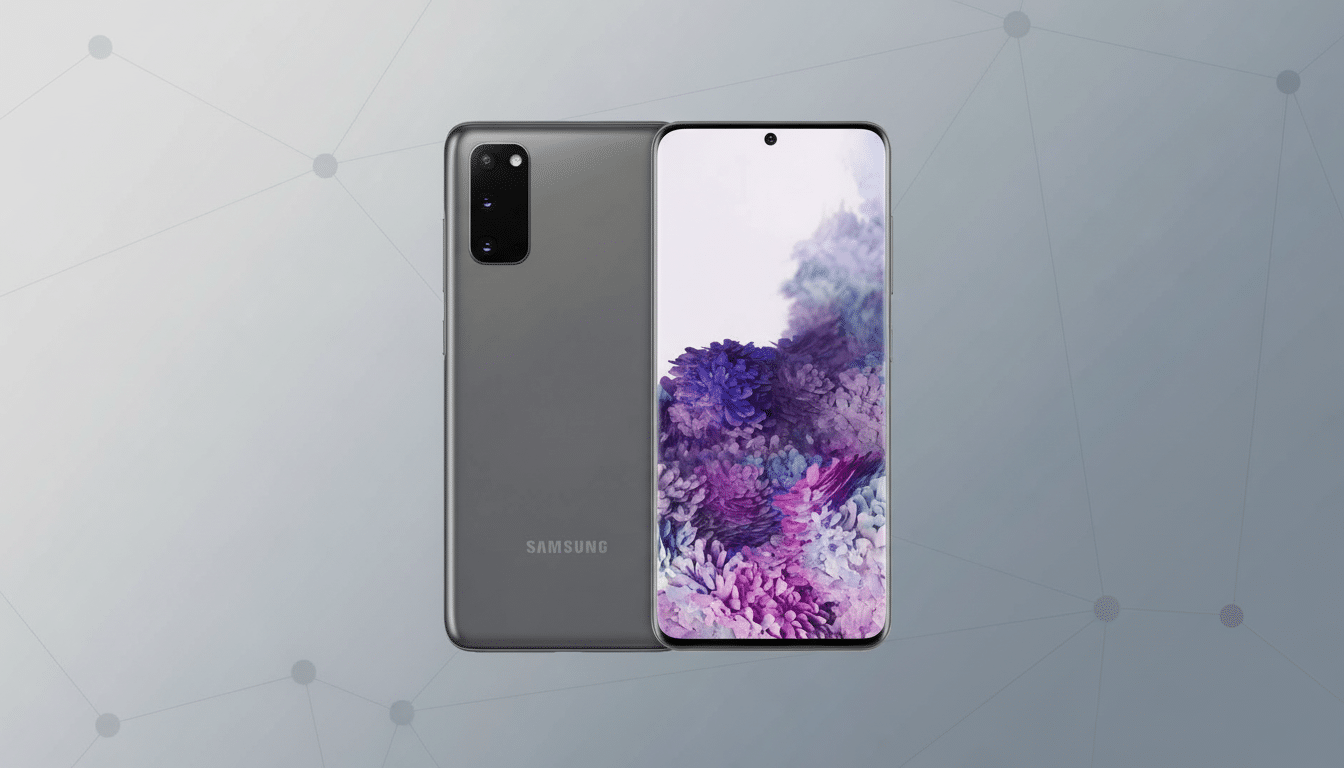
Google Play updates appear to reach older Galaxy models first
Community reports shared by GalaxyClub and Reddit show that the likes of the Galaxy S10, Galaxy S20, or any model in the Note 20 and S21 series are getting new Google Play system updates. According to users, the update tags refer to the freshest available builds—a leap forward compared with how many had languished on stale versions.
The catch: we don’t see newer Galaxy phones listed as being eligible, including recent S-series flagships and the latest foldables. That matches with what a few Redditors claimed to have been told by Samsung support people here and there: Google Play system updates were temporarily suspended in the buildup toward big One UI releases and recent product launches, only to be reactivated following stabilization.
If you are on one of the older Galaxies, you might already see the pipe clearing. If you’re on a newer model, the switch should flip soon, but there’s really nothing that can be done to force it other than keep checking.
Why the Google Play System Updates Are Important
Google Play system updates form a part of Project Mainline, a platform used to deliver security and privacy protections directly through the Google Play infrastructure to allow Google to update certain core aspects of Android without requiring an OS update. More than full firmware updates from Samsung, these modular patches update the key system components of an Android device without waiting for a new OS version or even the monthly security patch.
Modules more often groomed in this way may include the Android Runtime, Media Codecs, Network Stack, Permission Controller, and other core services. Keeping them updated not only helps close vulnerabilities more quickly, but also reinforces privacy controls and enhances device performance and compatibility. Re: security-critical, I’ve repeatedly been responding as people have made these comments; it’s not desperation—our Android Security and Privacy reports show again and again that separating security-critical out of the OEM patches brings down exposure time and dependency on full OEM rollouts.
On a practical level, an on-time Google Play system update can be used to squash a media parsing bug, make an update to certificate handling, or even fine-tune permission behavior—updates that don’t necessitate an entire firmware flash and are often rolled out with less fanfare than a monthly security patch.
Why older Galaxy phones may get Mainline updates first
Rolling out hardware system components across an atomized ecosystem is difficult. For larger platform updates that OEMs roll out, they’ll temporarily halt Mainline distribution to avoid module mismatches when aspects of the Android Runtime or core permission frameworks change. That seems to be what happened here.
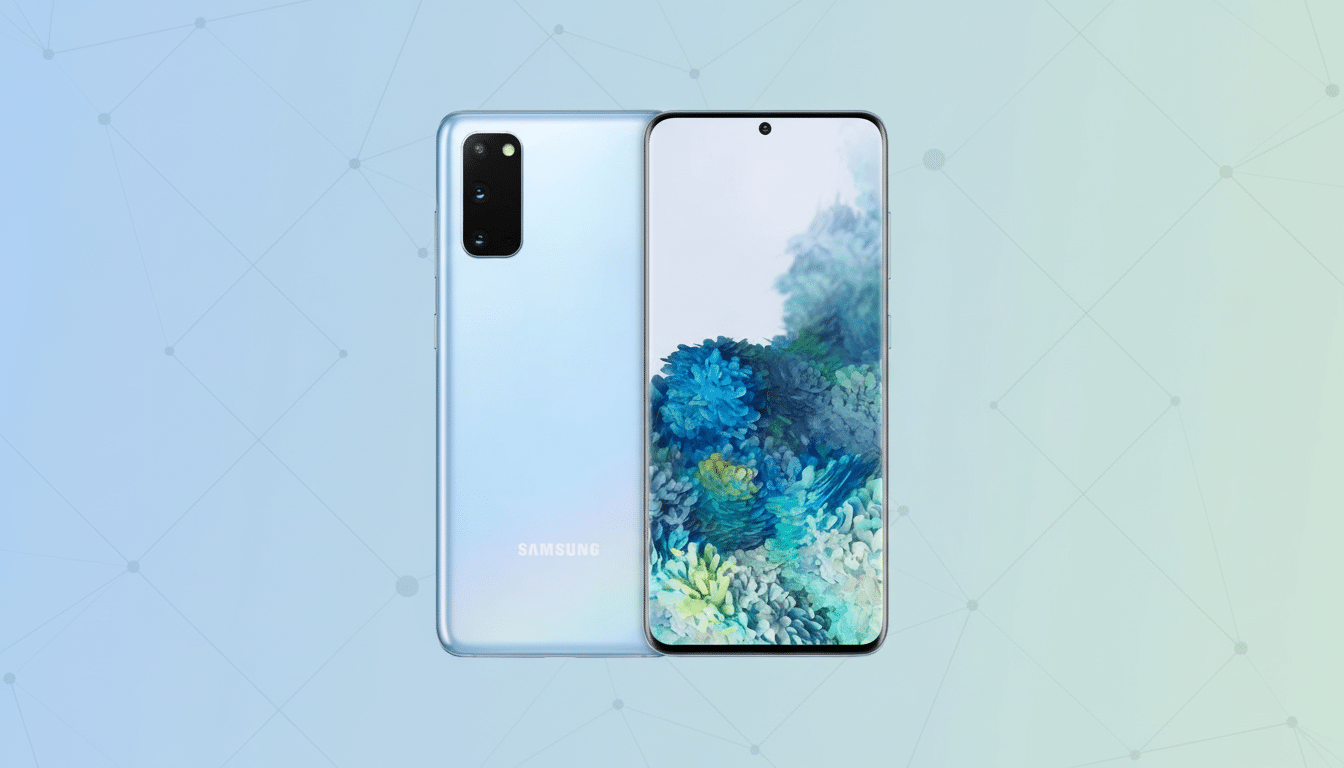
Older Galaxy devices not currently in the midst of major One UI transitions are lower-risk conflict points, thus safer candidates to be given priority for resuming Mainline updates. These newer flagship releases, fresh from significant firmware development shifts, are most likely sitting in a temporary holding phase while compatibility and telemetry checks are made. Such a phased approach is common with staged rollouts and device-fingerprinted server-side gating.
It also tells us why you might be seeing jump-ahead labels on the update page: when the pipeline reopens, devices often fetch down the latest synthetic complete module set instead of each intermediate build.
How to check for Google Play system updates on Galaxy
On the majority of recently released Samsung phones, head to Settings, tap Security and Privacy, then find Google Play system update. If available, go ahead and update the software to the latest version and then restart your phone. It’s also a good idea to open the Play Store, tap your profile, and check that Google Play services and Play Store are up to date.
For the record, this isn’t about those monthly Samsung security patch updates or One UI firmware versions. You can be completely up to date with Samsung’s patch level and still lag behind with Google Play system modules, and vice versa.
What this Google Play update pause means for Galaxy owners
Good news for the long-term device health should users face major software bugs, especially when Samsung is also promising extended support windows on its newer flagships. Helping to bridge the gap between major firmware releases, Mainline patches keep vital components up-to-date and reduce the surface area that OEMs need to maintain security-wise.
The hitch is the older-models-only piece, but surely that’s just temporary. After Samsung releases its grip on the newer builds, flagships will shortly be in line to get them. For now, patience and vigilance are your best weapons.
If you use your phone for work or travel (or if you’re a secret agent), staying current on all three layers of updates is the best way to make sure your patching occurs in a timely and efficient manner, as opposed to just getting around to it or never doing it at all. The return of Play system updates to Galaxy phones is a significant step back in the direction of that ideal.