


The top-selling Android phone around the world last quarter wasn’t exactly a head-turning flagship. That was Samsung’s Galaxy A16 5G, which topped the top Android model list and ranked fifth overall worldwide behind Apple’s latest iPhones in Q3 2025, according to Counterpoint Research. The one result that repeats itself in the smartphone market is a familiar trend: volume at the value end of the market.
Why the Galaxy A16 5G Comes Out on Top for Android
Samsung’s A series has become the de facto choice for millions of people who want dependable 5G, long battery life and years of updates without paying a premium. The 5G-capable Galaxy A16 ticks those boxes and fits in well with carrier and retail promos in emerging markets like India, Southeast Asia, the Middle East, as well as some parts of Europe and Latin America. Combining those two — wide availability and a friendly price-to-spec ratio — helped push it to first place for Android.
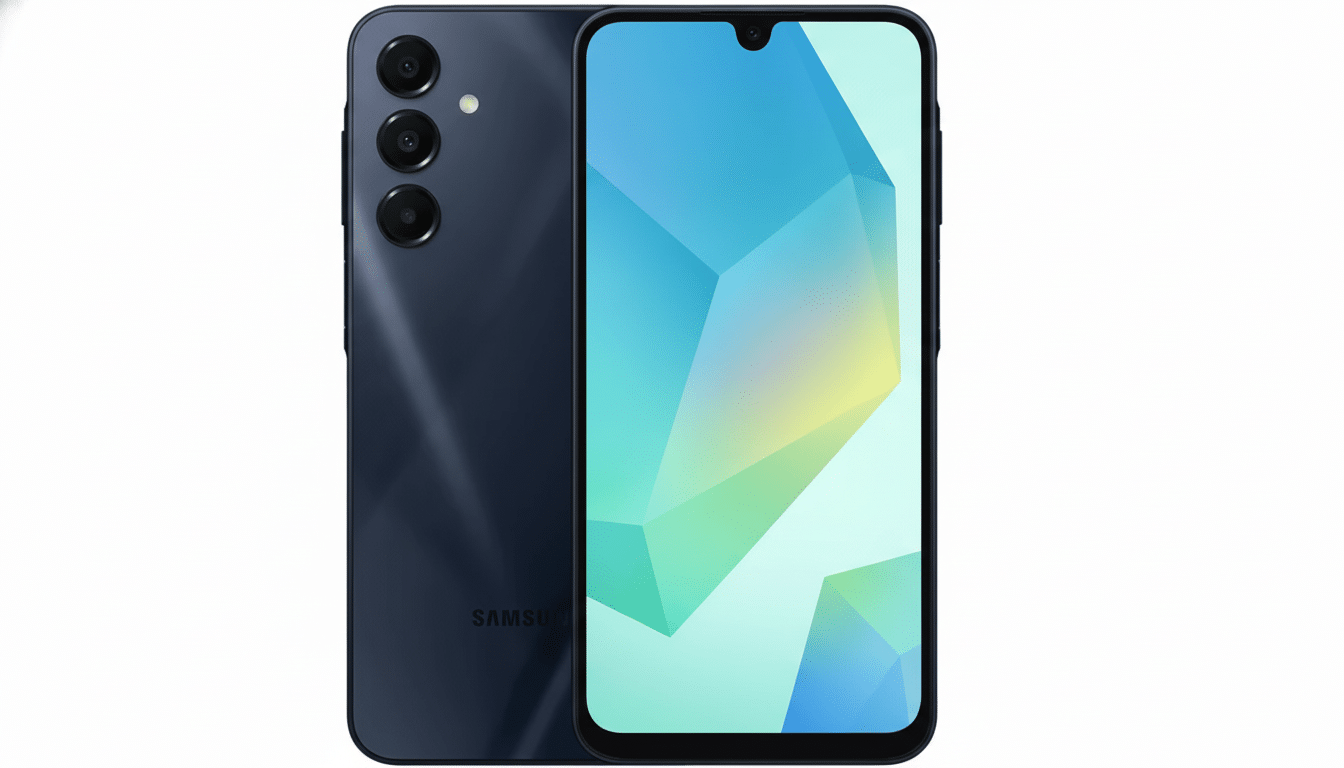
Counterpoint’s model-level rankings often favor handsets that are easy to recommend and sell. The A16 5G comes off the back of last year’s A15 4G and A15 5G, which were also the number one Android sellers in Q3 2024. Continuity counts: buyers who happen into a store frequently will request “the new A-series,” and merchants are only too happy to move volume with something that doesn’t put undue strain on inventory budgets.
The appeal of the device is practical, not aspirational. A big screen, decent cameras, reliable battery performance and Samsung’s generous update policy all ensure its suitability long after the first year. In markets where average replacement cycles have lengthened and discretionary spending is tight, those characteristics count for more than bleeding-edge silicon.
Samsung’s Cheapest Models Rule The Overall Top 10
It wasn’t just the A16 5G, though: The top ten also included four other Samsung models in Q3 2025: the Galaxy A06, A36, A56, and the A16 4G. Counterpoint said that the latter two “outperformed” older, less capable predecessors thanks to added AI capabilities, faster charging speeds and an extended update promise — features that midrange phones are increasingly adopting.
What was just as significant, however, is what we did not hear about. This quarter saw no Samsung flagship make it to the top 10 for the first time, differing from Q3 2024 when the lowly Galaxy S24 made its breakthrough. It’s not that the space constitutes a failure of premium demand; it’s more than just a matter of scale: even robust flagship sales are pasted over by volumes in the sub-premium layers, where carriers and retailers shift units by the warehoused truckload.
Xiaomi does sometimes slot a Redmi model into these rankings, but it was nowhere to be found this time. That jibes with what Canalys and IDC have highlighted in recent quarters: Chinese brands are playing both ends of the domestic competition–international retreat pendulum; success at model level can swing quarter to quarter depending on channel focus and timing.

Apple’s Weight At The Top Sets The Scene
Overall, Apple took the top four positions with the iPhone 16, iPhone 16 Pro and iPhone 16e and then the iPhone 17 Pro Max, which despite having only reached the market at the very end of September still took tenth place overall — underscoring how much demand Apple is able to focus around a few SKUs. In the case of Android, it is the “widest variety” argument that is fought in a different battlefield — range of models available in many price bands and value for money.
What The Ranking Signals Mean For Android Brands
The A16 5G’s performance is a further confirmation of some industry fundamentals. For one thing, feature creep does trickle down: midrange AI tools, faster charging and durable software support are all just table stakes now. Second, distribution is destiny. It’s a sure bet that brands who seed devices broadly through carriers and big-box retail, back them with marketing, and keep channel incentives on an even keel will capture favorable position in the model leaderboard.
It also underscores a strategic divide within Android. It’s the Pixel, high-end Samsung and OnePlus flagships that set the spec narrative, but it’s affordable phones delivering good-enough performance with minimal compromise that correspond to the bulk of global unit share. With inflation and currency turbulence hanging on in some growth markets, expect OEMs to further invest in this segment with aggressive promos and additional “flagship-lite” accoutrements.
What’s Behind the Model-Level Leaders This Quarter
Model rankings like Counterpoint’s are as much snapshots of momentum as they are actual scorecards. Q3 has traditionally been helped along by back-to-school promotions and pre-holiday channel loading — both of which favor lower-cost, broadly available phones. The A16 5G crossed all the t’s and dotted every i, with Samsung’s A-series muscle showing as we took half of the top ten.
Looking ahead, the holiday quarter often shuffles the deck as premium launches and year-end deals take effect. But the upshot of Q3 is clear: The midrange remains Android’s center of gravity. Right now, that standard-bearer is the Galaxy A16 5G.