


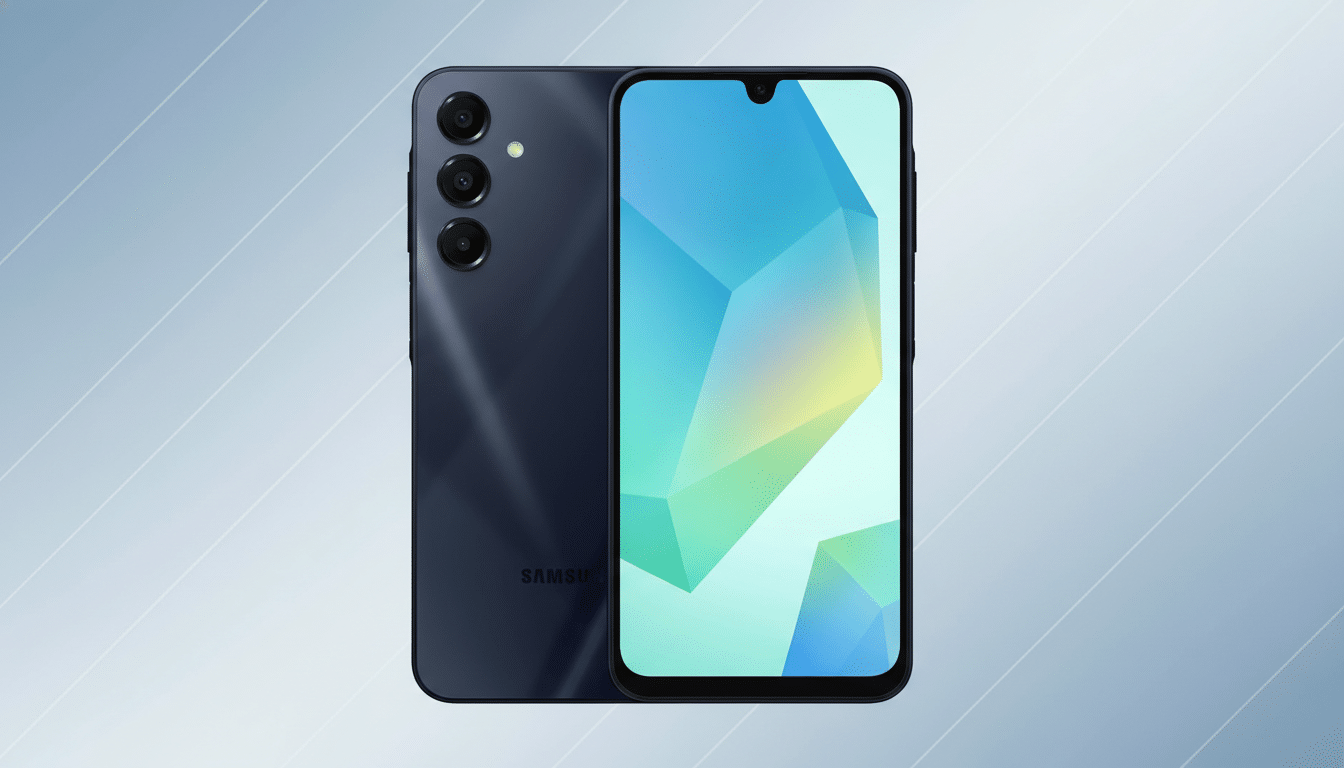
Samsung’s surprise hit this year isn’t a foldable or the Galaxy S flagship. It’s the Galaxy A16 5G, a budget-friendly workhorse that just topped the charts as the company’s most popular model, according to the latest global sales ranking from Counterpoint Research. In a market long defined by high-end hype, a midrange A-series phone quietly did the heavy lifting.
Budget Phones Beat Flagships in Global Android Sales
Counterpoint’s top-10 list shows the Galaxy A16 5G as the best-selling Android phone worldwide, edging out pricier rivals and even its own stablemates. The Galaxy A06 4G also landed high on the chart, outperforming several premium handsets. Meanwhile, the Galaxy S25 Ultra made the top 10 but only toward the bottom, a reminder that volume in Samsung’s universe is still driven by value.
Apple continues to dominate the very top of the table. The iPhone 16 family led the pack, with the base model ahead of the Pro Max and Pro, and the newer iPhone 17 Pro Max slotting in just behind them. Notably, the iPhone 17 outpaced Samsung’s S25 Ultra despite arriving later in the cycle, underscoring the gravitational pull of Apple’s brand and upgrade base.
There’s a quirk to the A16 story: Samsung refreshed it earlier than many expected with the Galaxy A17 5G. That overlapping window likely shaved some late-stage A16 sales. Even so, the A16 5G still led Android, which speaks volumes about how consumers are actually buying phones right now.
Why Midrange Phones Win in Today’s Smartphone Market
Three forces push the A16 5G to the front. First, price sensitivity remains high. Research firms such as IDC and Canalys have charted longer replacement cycles, which nudge buyers toward “good enough” devices that won’t break the bank. The A16’s formula—solid cameras, big battery, dependable 5G, and multi-year software support—threads that needle.
Second, retail and carrier dynamics favor the A-series. In many regions, the A16 5G sits in the sweet spot for installment plans and prepaid upgrades, and it’s a frequent pick for bundle promotions. Those mechanics are less forgiving to ultra-premium phones outside of flagship launch windows.
Third, component efficiencies have filtered down. Features once reserved for high-end—larger sensors, smoother displays, and more capable chipsets—are now common in midrange hardware. That narrows the perceived gap with flagships, especially for mainstream users who care more about battery life and reliability than 100x zoom.
4G Still Moves Units in Price-Sensitive Global Markets
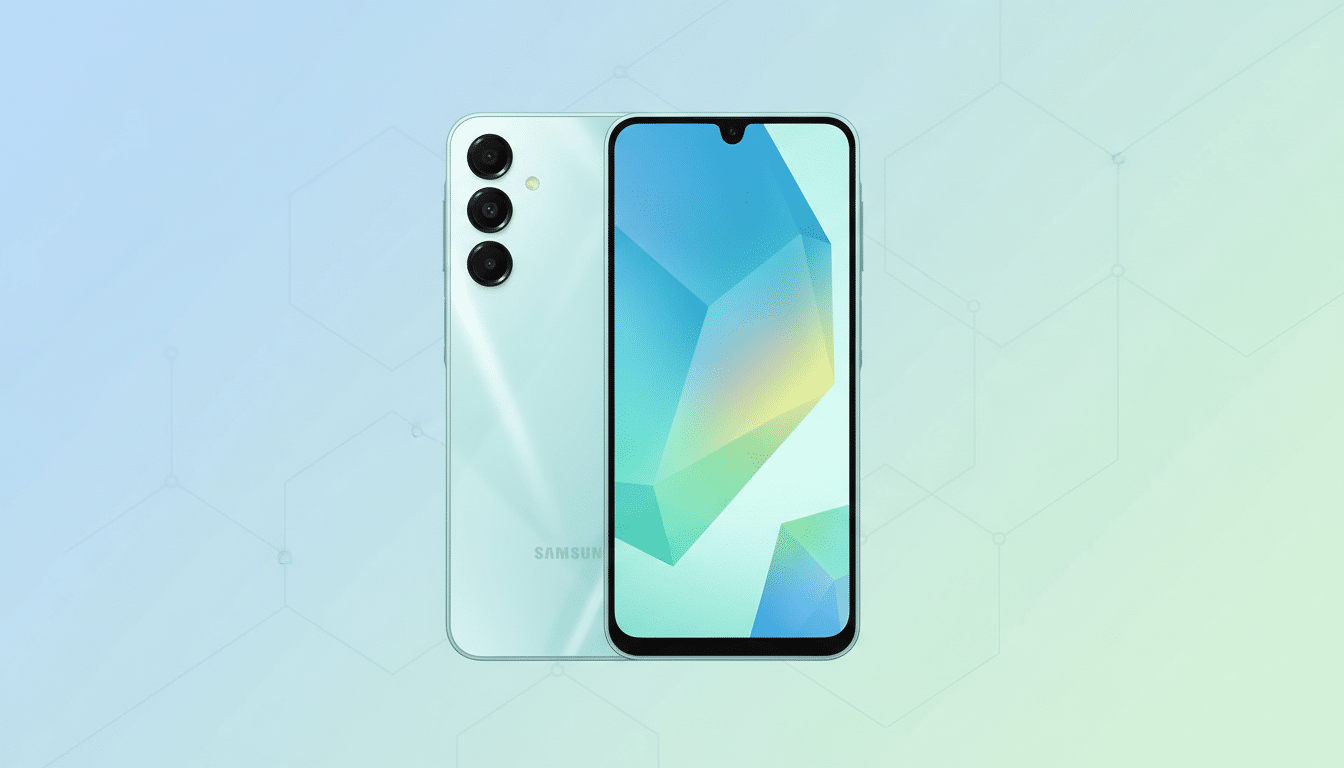
The Galaxy A06 4G’s strong showing is the curveball. If you live in a market saturated with 5G marketing, it’s easy to assume 4G devices are yesterday’s news. Counterpoint’s list says otherwise. Affordable 4G phones continue to sell briskly in regions where 5G coverage is spotty, data is costly, or household budgets simply won’t stretch.
For many buyers, a sub-$150 handset that runs popular apps, snaps decent photos, and lasts two days on a charge is the rational choice. Enterprises and public-sector deployments also lean on reliable 4G hardware to control costs and simplify fleet management. In short, 4G isn’t a relic—it’s a pragmatic lane with real volume.
Apple’s Lead and How the Smartphone Market Is Shaped
Apple and Samsung once again defined the global leaderboard, with the 10 best-selling models accounting for 19% of all smartphone sales, per Counterpoint. That concentration reveals two truths: scale still matters, and the market increasingly rewards a few widely available, heavily supported models over a long tail of niche variants.
For Samsung, the message is clear. The A-series is a growth engine, while the S-series holds the halo. The task now is to keep translating A-series volume into ecosystem stickiness—Galaxy Buds, Watches, and cloud services—while ensuring the S line remains aspirational enough to justify premium pricing.
What to Watch Next in Samsung’s Midrange Strategy
Expect Samsung to double down on features that resonate at the midrange—longer update promises, clearer camera marketing, and sturdier designs—while fine-tuning launch timing to avoid self-cannibalization between A16 and A17 successors. Rival Android brands may also revisit their 4G and entry-5G roadmaps to capture demand that’s obviously still there.
The headline outcome is hard to ignore: in a year dominated by premium chatter, a modestly priced Galaxy A16 5G won the popularity contest. It’s a reminder that the center of gravity in smartphones isn’t defined by the most expensive device in the room—it’s defined by the one most people actually buy.