


Full Circle, the Electronic Arts studio rebooting the Skate franchise, has confirmed a round of layoffs as the team moves toward the game’s wider release. The restructuring lands while the project remains in early access, raising fresh questions about live-service ambitions and the cadence of updates at launch.
The studio, based at EA’s Burnaby campus, framed the cuts as part of a strategic shift for the next phase of development. The announcement arrives with community attention already fixed on monetization choices, server stability, and the scope of content planned for day one.
What Full Circle Said About Restructuring and Next Steps
In a public note titled “skate.’s Next Chapter,” Full Circle thanked departing staff for helping build the foundation of the reboot and said it is adjusting teams for what comes next. The studio did not disclose the number of employees affected. It also pointed to “tens of millions” of players who have tried the game during early access periods, signaling confidence in demand as it moves toward open release.
Electronic Arts has already slimmed down its global footprint in prior workforce reductions, trimming about 5% across divisions according to company statements. Full Circle’s changes follow a broader pattern inside large publishers of concentrating resources on fewer, bigger titles with ongoing revenue potential.
Formed to revive the beloved Skate series, Full Circle includes veterans from the original games such as creative leads Deran Chung and Cuz Parry. Its mandate has been clear from day one: rebuild the physics-first feel fans remember while modernizing the experience around community play and regular content drops.
What It Means for Skate’s Live-Service Launch Plans
Skate—stylized as “skate.”—is planned as a free-to-play, live-service platform with cross-play and cross-progression. It’s still in early access, and the studio has not committed to a final launch date. Live games typically require large teams to keep content pipelines, anti-cheat, servers, and creator tools humming; reductions can slow feature velocity unless offset by tooling or support from other EA groups.
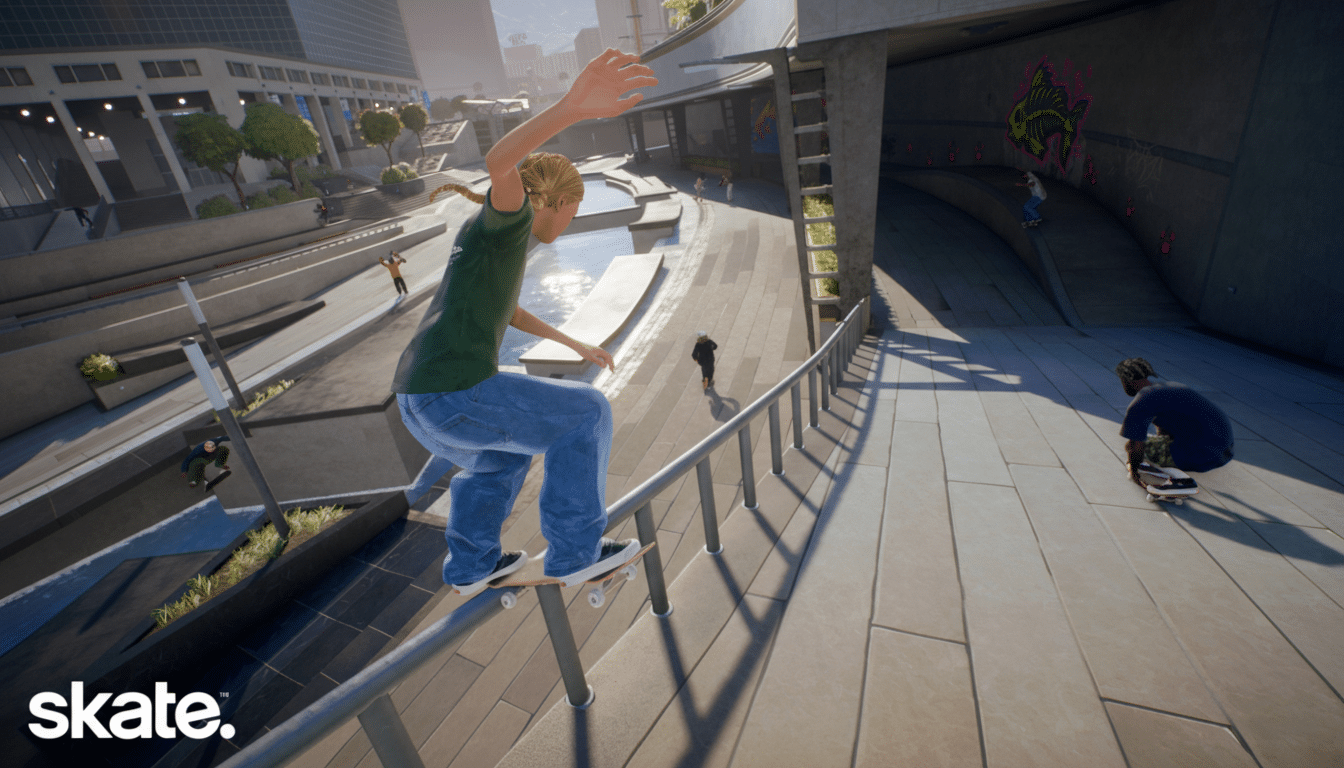
Early player feedback has been mixed. Fans praise its expressive trick system, flow-friendly physics, and a sandbox city built for lines and discovery. Criticism has centered on online-only requirements, cosmetic pricing that has included $25 items, and concerns that a service-first model could crowd out the series’ laid-back, single-session vibe. Full Circle has said it wants to avoid pay-to-win and keep core progression fair, a stance that will be tested as the economy expands.
The near-term signals to watch: whether the team publishes a detailed content roadmap, how often early access builds roll out, and if community pushback shifts shop pricing or offline options. Other live-service titles have course-corrected after launch (Halo Infinite notably cut shop prices following feedback), suggesting there’s room for iteration if the studio listens closely.
Industry Context: Consolidation, Cuts, and Live Service
Full Circle’s move lands amid a steady drumbeat of games-industry cuts. Ubisoft Toronto recently reduced headcount by dozens, Microsoft eliminated 1,900 roles in its gaming group, and EA has consolidated teams across projects. Embracer Group’s restructuring has idled multiple studios and canceled games. Analysts from firms like Ampere Analysis and Newzoo have pointed to surging development costs, shifting player habits, and higher hurdle rates for greenlighting original content as core pressures.
Those forces push publishers toward live-service models, where steady engagement and cosmetic sales can fund multi-year support. The tradeoff: these games demand relentless updates and operational discipline. Any team shake-up this close to a wider release can create uncertainty around content cadence, though large publishers often backfill with central tech and live-ops support to steady the ship.
What Players Should Watch Next Before Wider Release
Expect more communication from Full Circle on a release window, server readiness, and the first-season slate. Player creators will look for updates to the builder tools and social features teased in playtests. Equally important will be clear guardrails on monetization—price tiers, earnable currency rates, and event pacing—that reinforce the studio’s “fair and fun” promise.
For a series that won hearts with its authentic feel and playful mischief, the reboot’s success may rest on something simple: keep the board under players’ feet. If Full Circle can maintain its physics-driven core, meet the community halfway on economy and access, and ship content on a predictable rhythm, Skate can still land the trick—even after a wobble.