


The Federal Trade Commission has accused anonymous question app Sendit of deceiving young users and unlawfully assembling their personal information, sharpening regulators’ attention to youth safety on social media and messaging add-ons. In a fresh complaint, the agency says Sendit exploited mostly teen users with fake messages, hid recurring membership fees and collected information from kids under 13 without their parents’ consent.
How the App Worked and What Users Really Saw
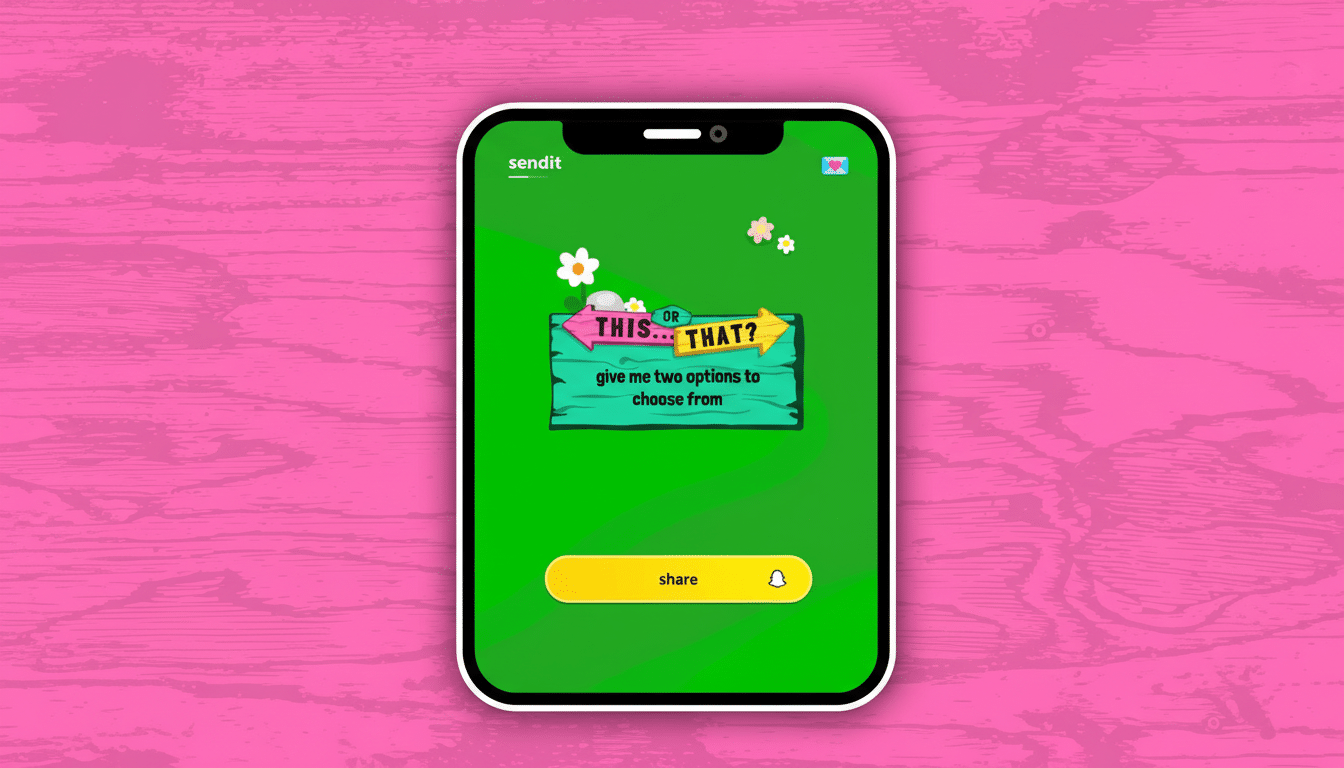
Sendit gained traction by piggybacking on platforms where teens already hang out, providing rapid-fire anonymous prompts through integrations with Instagram, TikTok and Snapchat. After two rival apps, YOLO and LMK, were suspended on Snapchat amid a lawsuit relating to the death of a child, Sendit quickly replaced them among the top app store charts and racked up about 3.5 million downloads as users sought alternatives.

But the FTC says the app was more than just a passageway for curiosity among classmates. Sendit seeded a combination of fake, attention-grabbing queries like “would you ever get with me?” and “have you done drugs?” to spur engagement. The gambit, regulators say, established a monetization funnel through which teenagers paid to unmask the sender — only to discover that there often wasn’t really anything to unmask.
Possible Dark Patterns and Recurring Fees
At the heart of the case are allegations that Sendit deployed dark patterns — design techniques that push people toward decisions they might not otherwise make.
The app sold consumers a “Diamond Membership,” priced at $9.99, which appeared to be a one-time unlock but actually operated as a recurring weekly charge, the FTC said. If a user paid to learn an author of a message that Sendit itself originated, the app would provide that person with fake “identity” information — yet another layer of deception.
The allegations reflect broader concerns the FTC has voiced in its staff report on dark patterns, for which it warned that confusing user interfaces, disguised ads and concealed subscription terms are spreading in youth-focused apps. Over the last two years, the agency has taken several cases that focus on manipulative subscription flows and deceptive “reveal” features that play on social pressure.
COPPA Violations Are at the Heart of the Case
Regulators also allege that Sendit violated the Children’s Online Privacy Protection Act by knowingly collecting information from children under 13 without obtaining verifiable parental consent. The complaint refers to what happened in 2022, when the app was reported by more than 116,000 of its users for being under the age of 13. According to the FTC, Sendit’s parent company, Iconic Hearts, did not provide proper notification nor seek permission from parents before collecting the data, and even after doing so continued to store the information of their children.
COPPA mandates that child-directed services (or those having actual knowledge of under-13 users) obtain parental consent, collect only what’s reasonably necessary and delete children’s information upon request. Violations can carry hefty civil penalties — the maximum has been adjusted to upward of $50,000 per violation — as well as requirements to delete improperly collected data and adopt stronger privacy protections.
A Pattern Emerges in Anonymous Messaging Apps
Anonymous Q&A tools have had safety and transparency issues over and over again. YOLO and LMK were both yanked on Snapchat in 2021 after being sued by a family mourning the loss of a child, raising awareness about the dangers of unsupervised anonymous messaging. More recently, the FTC and a California prosecutor reached a $5 million settlement with NGL Labs, accusing the company of using bots to send bogus messages and misleading teenagers about subscription services. The Sendit case may indicate that regulators are now looking at the playbook for the entire genre.
The wider gaming and voice assistant crackdown also holds. The FTC has secured milestone settlements over children’s privacy and dark patterns with several major platforms, including enforcement actions to compel deletion of data, stronger age gates and clearer flows for consent. That backdrop increases the likelihood that any remedies here might be broader than fines and could involve structural changes in how youth features are designed and marketed.
What It Means for Sendit Users and Parents
Should the FTC win, Sendit may have to refund money it took through the misleading charges, erase data collected from children and undertake independent privacy assessments.
Regardless of the final outcome, the case is yet another cautionary example that parents should audit app subscriptions, turn off automatic renewal for dormant apps and talk through the dangers inherent in anonymous social interactions, which can fuel bullying and exploitation.
For developers, the message is clear: age verification has to be more than a checkmark and revenue can’t rely on dubious recurring charges or manufactured engagement. For platforms that host integrations, the calculus of risk is changing as well; linking up with social apps from third parties will increasingly entail due diligence around protecting youth to keep the regulatory stain off.
The FTC complaint draws a vivid picture of how small interface choices — an anonymous prompt here, a fuzzy subscription label there — can snowball into wide-scale harm when the audience is largely minors. Whether in the case of Sendit or the next viral Q&A spin-off, the standard that regulators are telegraphing is evident: if you market to teens, build for safety and honesty.