


I exported my recent Oura Ring data, dropped it into a free web tool called Simple Wearable Report, and then ran the resulting summary through an AI assistant. The clarity of the insights surprised me. Instead of swiping through charts and tabs, I got a clean, lab-style overview that spotlighted the exact days and behaviors driving my best recovery, sleep, and activity scores—useful for me, and ready for a physician to scan in seconds.
What Simple Wearable Report Actually Does
Built by an Oura Ring user in the r/ouraring community, Simple Wearable Report converts your exported Oura data into a concise, printable summary. It pulls together readiness, sleep, and activity highlights, then organizes them in a format that looks more like a lab report than a consumer app dashboard. The tool also makes it easy to upload that summary into an AI of your choice—ChatGPT, Gemini, or Claude—for deeper, explain-in-plain-English analysis.
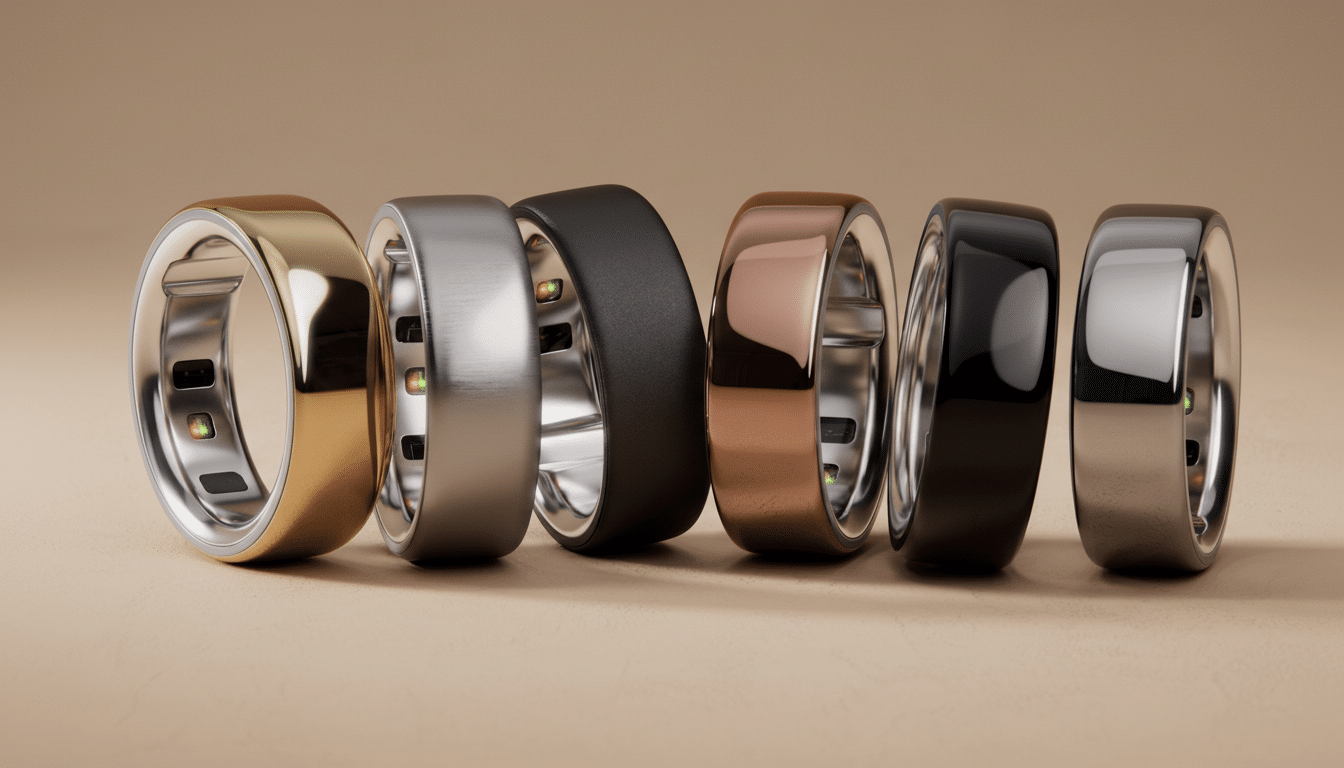
Oura’s app already offers weekly, monthly, and annual views, plus specialized panels like cycle insights and perimenopause check-ins. But those screens aren’t built for quick clinical review. The goal here is different: a single snapshot your primary care provider can skim without hunting through graphs.
How It Worked In My Test With AI Analysis
I generated the Simple Wearable Report, then asked Gemini to parse it. Within seconds, it pinpointed my strongest wellness day and explained why, correlating a lower resting heart rate, higher heart rate variability, and consistent sleep with an above-baseline readiness score. It contrasted those metrics with “just-OK” days, quantifying the gap—valuable context I don’t typically get in Oura’s default views.
What really stood out: the AI assigned contribution scores to individual biomarkers on a 0–100 scale to show which factors helped or hurt a given day. Oura flags issues (like sleep debt or elevated resting heart rate), but it doesn’t usually present them as weighted components. Seeing those weights made it easier to prioritize where to focus.
AI Versus Oura’s Own Coaching: Specificity Versus Trends
I asked both Oura’s AI Advisor and Gemini for guidance on sleep and activity. Oura’s assistant offered gentle, trend-level coaching—think broad reminders about moving more on low-step days. Gemini went granular. It highlighted extreme day-to-day step swings, singled out long sedentary stretches on rest days, and suggested a realistic “floor” for movement to protect metabolic health.
On sleep, the contrast was similar. Oura emphasized quality and consistency, which is its strength. The AI emphasized quantity, telling me—bluntly—that my sleep time itself was the bottleneck and proposing a specific in-bed extension to close the gap. That directness, paired with the contribution weights, made the next steps feel unusually obvious.
Why This Format Helps Your Doctor Review Wearable Data
Primary care visits are short, and clinicians need trend lines, not app tours. The Simple Wearable Report compresses weeks or months of data into a one-page digest: best and worst days, key biometrics, and anomalies. In practice, it resembles the way lab results or home blood pressure logs are reviewed—fast pattern recognition, then focused questions.
There’s a growing clinical appetite for actionable summaries from wearables. Research published in JAMA Internal Medicine has shown that daily steps in the 7,000–8,000 range are associated with lower mortality, while the National Sleep Foundation recommends 7–9 hours for most adults. Turning raw Oura metrics into a structured, shareable report makes it easier to interpret those benchmarks in context for an individual patient.
Privacy And Safety Still Come First With AI Summaries
Important caveat: most consumer chatbots are not covered by HIPAA, and many do not offer end-to-end encryption. The Federal Trade Commission has warned developers about misuse of health data, and the Health Breach Notification Rule applies if certain apps share personal health information without consent. Before you upload anything, remove names and identifiers, limit the date range, and avoid including sensitive notes you wouldn’t hand to a stranger.
Also, don’t ask an AI to diagnose you. Large language models can summarize trends and translate metrics into plain language, but diagnosis and treatment decisions belong to licensed clinicians. Use the report—and any AI commentary—as a pre-visit brief, not a substitute for care.
Bottom Line: A Faster, Doctor-Ready Lens on Oura Data
The free Simple Wearable Report didn’t uncover data Oura wasn’t already collecting. It did something arguably more valuable: it made my data instantly legible. Paired with an AI explainer, it highlighted the specific behaviors that separate my best days from my average ones and produced a doctor-ready summary I can actually use. For anyone who loves their Oura Ring but wants fewer taps and more takeaways, this is a smart—and surprisingly effective—upgrade.