


Boston’s innovation engine is set to roar as Founder Summit 2026 opens its exhibit floor to high-growth startups looking to win customers, court capital, and lock in partnerships. The event’s model is straightforward: put founders and buyers in the same room, back it with a pipeline-ready lead capture system, and surround it with curated roundtables and peer-led sessions that turn passing interest into concrete deals.
For teams ready to do more than swap business cards, the summit’s Expo Hall doubles as a live sales lab. Exhibitors can scan prospects in the event app, sync notes, and route warm leads to the right teammate on the spot. Packages include multiple all-access badges—commonly five per table—so founders can split duties across demos, investor meetings, hiring, and strategic outreach without losing momentum.
Why Boston Is the Right Bet for Startups
Few cities offer Boston’s density of buyers, researchers, and funders in one walkable grid. PitchBook and the National Venture Capital Association have repeatedly ranked the metro among the top U.S. hubs for venture activity, with life sciences, AI, robotics, and cybersecurity dominating deal flow. The concentration of institutions—MIT, Harvard, Northeastern, and UMass—creates a steady stream of spinouts and technical talent, while Boston’s hospitals and research centers draw billions in federal research funding annually, according to NIH data.
The region’s accelerators and labs add another layer. MassChallenge alumni have collectively raised billions and created tens of thousands of jobs, per the organization’s impact reports. Greentown Labs in Somerville hosts 200+ climatetech companies that have attracted billions in follow-on capital. MassRobotics convenes a global hardware community and connects startups with enterprise pilots. For founders, one productive week in Boston can unlock pilots with industry leaders and lab access that’s hard to replicate elsewhere.
What Exhibitors Get at Founder Summit 2026
Exhibit tables sit on a busy thoroughfare where operators actively source tools, integrations, and hiring pipelines. The event app supports instant lead capture and team routing, so conversations don’t vanish into a post-conference abyss. Sponsor directory placement and on-site mentions build credibility with both customers and investors—social proof that compounds across the week.
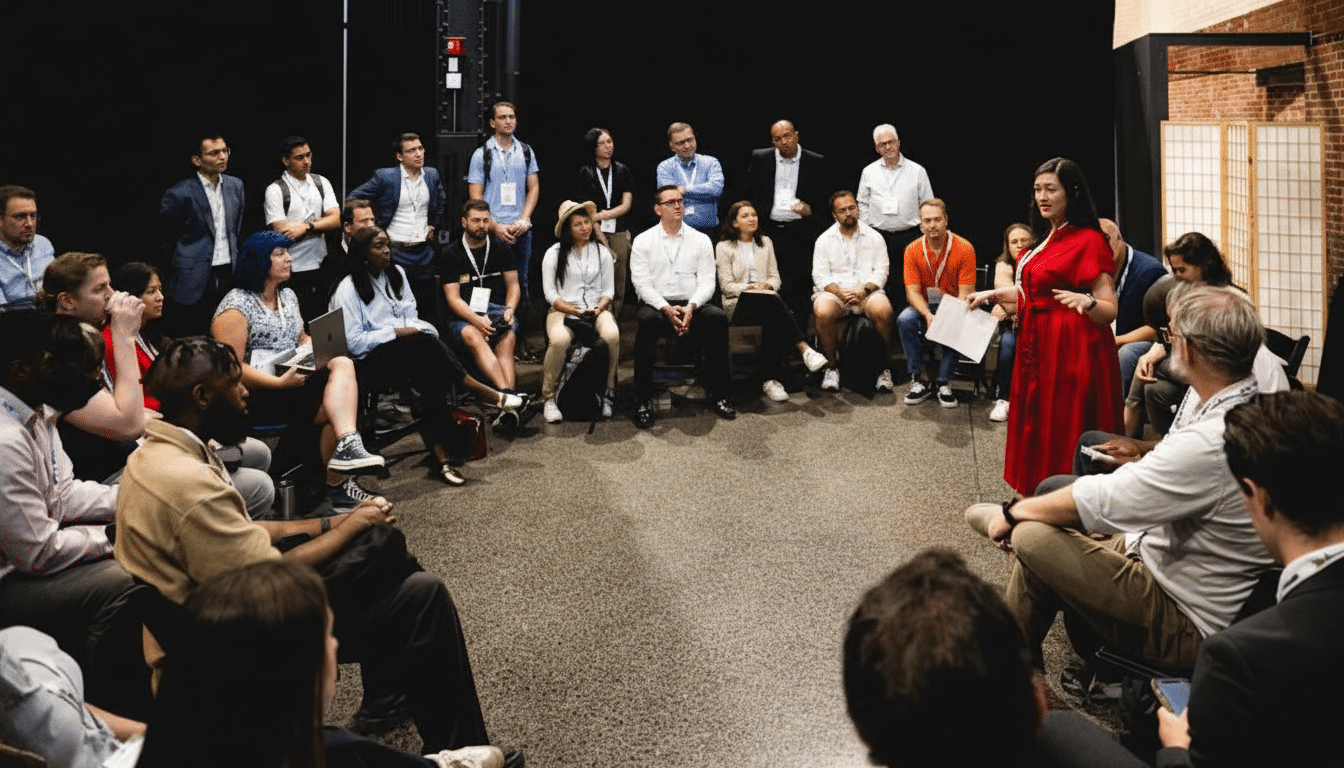
Beyond the booth, curated roundtables and breakouts catalyze longer discussions: pricing teardown sessions with seasoned operators, go-to-market workshops led by growth leaders, and investor AMAs that demystify diligence. It’s built for outcomes, not theater—especially for startups selling into enterprise, healthcare, climate, or advanced manufacturing where a single multi-year contract can change a runway.
Who You’ll Meet in the Halls at Founder Summit 2026
Expect a cross-section of Boston’s demand side: digital health buyers from top hospitals, biotech platform teams seeking data tools, robotics integrators scouting sensors and autonomy stacks, and climate corporates looking for pilot-ready tech. Investor presence typically spans seed to growth, with strong representation from funds specializing in deep tech and life sciences, as tracked by regional deal maps from industry groups like MassBio and the NVCA.
Academic commercialization offices are a quiet force at these gatherings. MIT’s and Harvard’s tech transfer teams routinely connect founders with licensed IP and joint development opportunities. Historical analyses from MIT’s Innovation Initiative suggest that alumni-founded companies contribute more than $1T in annual revenue globally—an indicator of how robust these pipelines can be for dealmaking.
How to Maximize ROI on the Floor at Founder Summit 2026
Arrive with a target account list and a one-line qualification script. Use the app to tag each scan by segment and stage. Schedule follow-ups before the conversation ends—calendar links beat good intentions. Bring a rapid demo tailored to two or three buyer personas; if you sell to both product and compliance, prepare variants that speak their language in under three minutes.
Treat roundtables like mini-customer interviews. Ask what would trigger a paid pilot, what procurement blockers have killed past projects, and which metrics get approvals. If you’re pre-product, frame meetings as design partnerships; Boston’s enterprise buyers are open to co-development when the problem is acute and the path to validation is clear.
Metrics That Matter After the Summit in Boston 2026
Track a simple stack: total qualified leads, meetings booked within two weeks, pilot proposals sent, and win rate within 90 days. Add one efficiency metric—pipeline dollars per hour at the booth—to benchmark future events. Teams that close the loop fast see outsized gains; industry surveys from sales operations groups routinely show that same-day follow-up can lift conversion by 30%+ versus week-later outreach.
Finally, measure brand lift where it’s earned: analyst mentions, inbound from corporate innovation teams, and partner introductions brokered by accelerators or labs. In a market where venture dollars are selective and enterprise cycles are long, multi-channel credibility is not a vanity metric—it’s the grease that moves deals from “interesting” to “approved.”
For founders intent on making a visible dent in a buyer-rich, research-heavy market, Founder Summit 2026 offers a concentrated shot at traction. If your roadmap includes pilots, reference customers, or a tighter investor bench in Boston, this is the room to be in—and to be ready for.