


A former Tesla product manager is taking aim at the luxury industry’s most stubborn headache: superfakes. Luci Holland, founder of Veritas, has unveiled a hardware-software authentication system built around a tamper-sensing NFC chip tied to cryptographic certificates. The goal is straightforward and ambitious: to make premium goods nearly impossible to counterfeit and trivially easy to verify with a smartphone.
The stakes are high. Luxury brands forfeit more than $30 billion each year to fakes, and shoppers in a resale market topping $200 billion face uneven and often unreliable verification. International watchdogs underscore the scale: the OECD estimates counterfeit and pirated goods account for roughly 3.3% of global trade, and U.S. Customs and Border Protection reports continue to notch record seizures of high-value knockoffs across handbags, sneakers, and watches.
A Chip Built For The Showroom And The Workshop
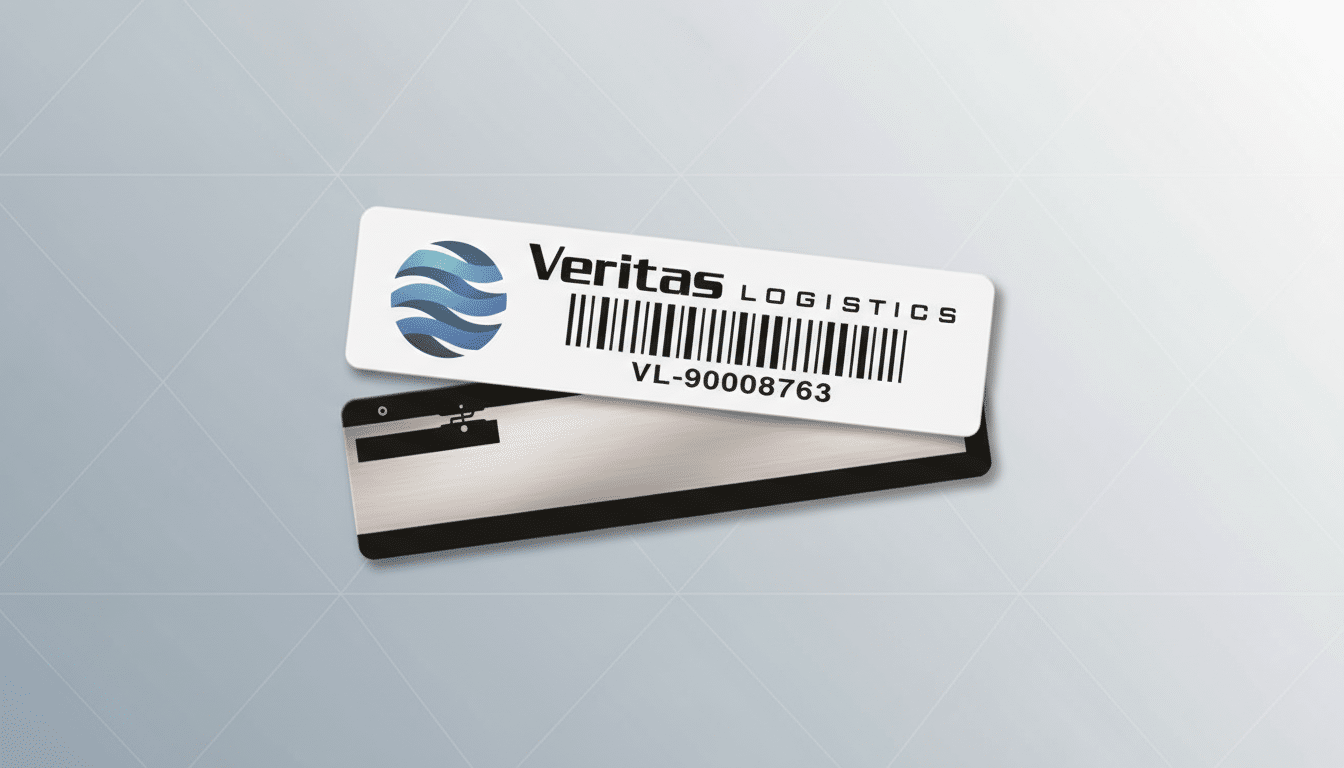
Veritas collaborated with designers and fabricators to produce a module about the size of a small gem that can be embedded during manufacturing or discreetly added post-production without compromising craftsmanship. The chip uses Near Field Communication, the same tap-to-pay standard most phones support, so owners or resellers can authenticate with a tap in seconds.
Where it differs from commodity NFC tags is physical security. Holland’s team designed a custom coil and bridge structure that functions like a tripwire. Any attempt to lift, reroute, or probe the chip triggers a dormant state and seals off the product’s codes. The company says the design resists common tag emulation and replay tricks popularized by off-the-shelf tools such as Flipper Zero, which can spoof or tamper with unsecured wireless systems.
How the Verification Works for Buyers and Brands
Each chip is paired with a unique digital certificate registered in the Veritas backend. During a scan, the chip and server perform a challenge-response handshake, returning a pass-fail result and provenance details the brand opts to disclose. The platform monitors scan behavior to flag anomalies, such as impossible travel patterns or repeated pings from the same device that hint at fraud attempts.
Beyond basic authenticity checks, brands can attach product stories, care instructions, and membership-style perks. Veritas also supports minting a blockchain-based digital twin for owners who want a transferable record of provenance or for use in virtual exhibitions. The ledger piece is optional; the core verification runs on conventional cryptography and server attestation.
Why Superfakes Are Forcing a Rethink in Luxury Goods
For decades, maisons relied on hallmarks, serials, and paperwork. Counterfeiters have caught up, mastering stitching patterns, embossing, and even high-quality certificates, giving rise to “superfakes” that routinely fool the naked eye. Several luxury houses told Holland they had paused in-store authentication in some locations because the error rate became uncomfortably high.

The market is already experimenting with tech defenses. A consortium including LVMH, Prada, and Cartier built a shared provenance ledger to track goods. eBay acquired Certilogo to bring digital IDs and NFC/QR checks to fashion. AI image-based services such as Entrupy offer probabilistic calls from photos. Veritas is betting that secure elements and tamper detection embedded directly into the product deliver a stronger, yes-or-no answer than surface-level scans or paperwork trails alone.
Adoption Hurdles and the Economics of Secure Authentication
Education may be the first barrier. Many off-the-shelf NFC tags used today can be cloned or relayed in minutes, which creates a false sense of security. Upgrading to a secure element with anti-tamper features, unique keys, and server-side risk scoring adds cost and integration work. The unit economics will come down to per-chip pricing, installation during or after production, and ongoing software fees, weighed against fewer chargebacks, less inventory leakage, and higher resale confidence.
Investors and operators see an arms race. Alexis Ohanian of Seven Seven Six praised the blend of design sensibility and engineering rigor behind the project, noting that luxury labels are constantly chasing more robust defenses. In security, “hack-proof” is a claim that invites testing; the measure of success will be whether the system meaningfully raises attacker costs while keeping consumer taps fast and private.
What to Watch Next as Veritas Rolls Out Its Platform
Veritas has not publicly named brand partners, but the roadmap is clear: pilot inserts across leather goods and jewelry, expand to hard goods like watches and eyewear, and standardize the tap flow for resale and insurance providers. Expect scrutiny on privacy and portability too—consumers will want to verify ownership without surrendering personal data, and secondary marketplaces will push for open standards so authentication is not siloed.
If Holland’s blend of art-world empathy and automotive-level security catches on, the pendulum could swing back toward trust. In the best case, buyers gain instant proof and brands get a direct line to their most loyal customers. And for counterfeiters, yet another door quietly clicks shut.