


Apple’s maiden venture into the foldable phone is coalescing around a deceptively simple concept: picture two ultra‑thin “iPhone Air” handsets joined together by a single continuous screen. That’s the high‑level concept laid out by Bloomberg’s Mark Gurman today, whose reporting goes on to suggest a book‑shaped device that looks like two iPhone Air slabs connected by a premium hinge when open, rather than two separate displays.
A blueprint for a ‘twin iPhone Air’ foldable design
Comparison is important here because thickness will trickle down to everything from battery capacity to camera choices. The alleged iPhone Air is reportedly going to extreme thinness — we’re talking mid‑5 mm territory here — so a foldable that matches those dimensions once unfolded would walk and talk more like an iPad mini‑lite in the hand than a chunky prototype. What you can expect, however, is that instead of a bunch of outer bezels and seams, there is a single inner lightweight OLED panel and ultra‑thin glass with the littlest of creases and an evenly weighted hinge.
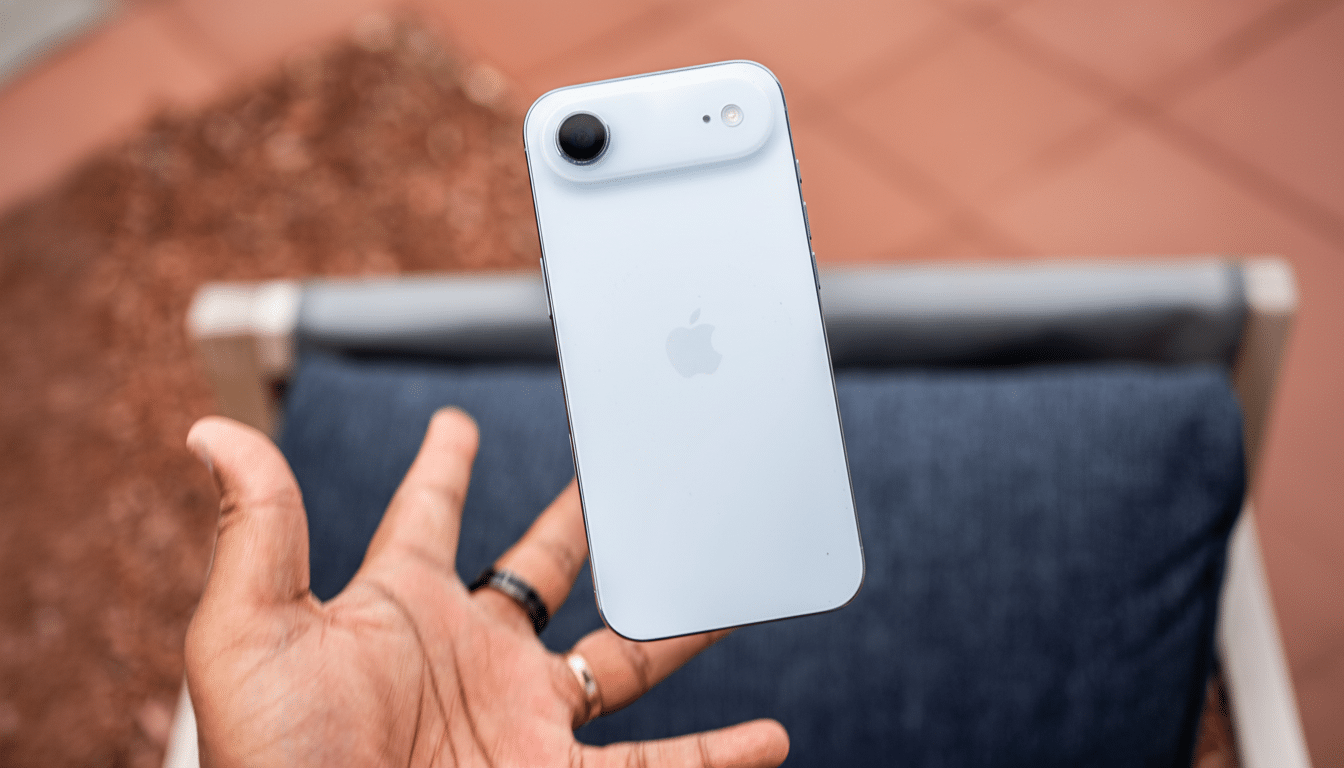
That “twin Air” framing also suggests flat sides, a consistent edge radius, and Apple’s focus on pocketability. Where some book‑style foldables feel tall and top‑heavy, Apple seems to have aimed for a neutral center of gravity — split batteries, stacked boards, and a hinge spine that doubles as a thermal chimney are all tricks we’ve seen before in premium foldables honed to Apple’s tolerances.
Slim, light, hinge‑first design for Apple’s foldable
Hinges decide everything. Apple has patented numerous details around variable‑radius hinges and protective cover layers developed to minimize the visibility of creases and distribute stress along the fold. You can anticipate a multi‑link interlocking body that forms a teardrop‑shaped gap when closed — so the display folds on a smaller bend radius to save you precious Funny Money glass and UTG paper. These days, that approach is table stakes for any high‑end foldable, but it’s still hard to do at Apple’s massive scale.
For some context, the thinnest book‑style foldables going today are a shade under 5 mm when open — Honor’s Magic V2 is an eye‑catcher here — and most metal‑meets‑glass rivals are a touch fatter. If Apple is targeting an open‑state thickness that’s near the ultra‑slim iPhone Air, it will require brutal internal packaging — heavy use of high‑density batteries, minute periscope optics (if any), and a whole lot of stacked boards to free up space for a hinge pocket.
High‑resolution display testing and panel sizes
Supply chain chatter summarized by DSCC’s Ross Young suggests panel sizes ranging from 7.6 to 7.8 inches for the inner display, with a cover screen of about mid‑5‑inch proportions.
And those numbers map neatly to the “two Airs side‑by‑side” mental model: a vast canvas for multitasking inside, and an easy one‑handed front screen for swift interactions. Expect LTPO for adaptive refresh, a high PWM dimming method to make flicker harder to notice, and an anti‑reflective treatment that will be similar to the best iPad coatings from Apple.
Durability will be watched closely. Recent rivals have had water and even light dust resistance, so Apple will be required to match or better those standards. That entails beefy ingress seals around the hinge, a scratch‑resistant cover glass over the outside OLED, and an updated shock path to protect the flexible panel during spills.
Price expectations and how Apple may position it
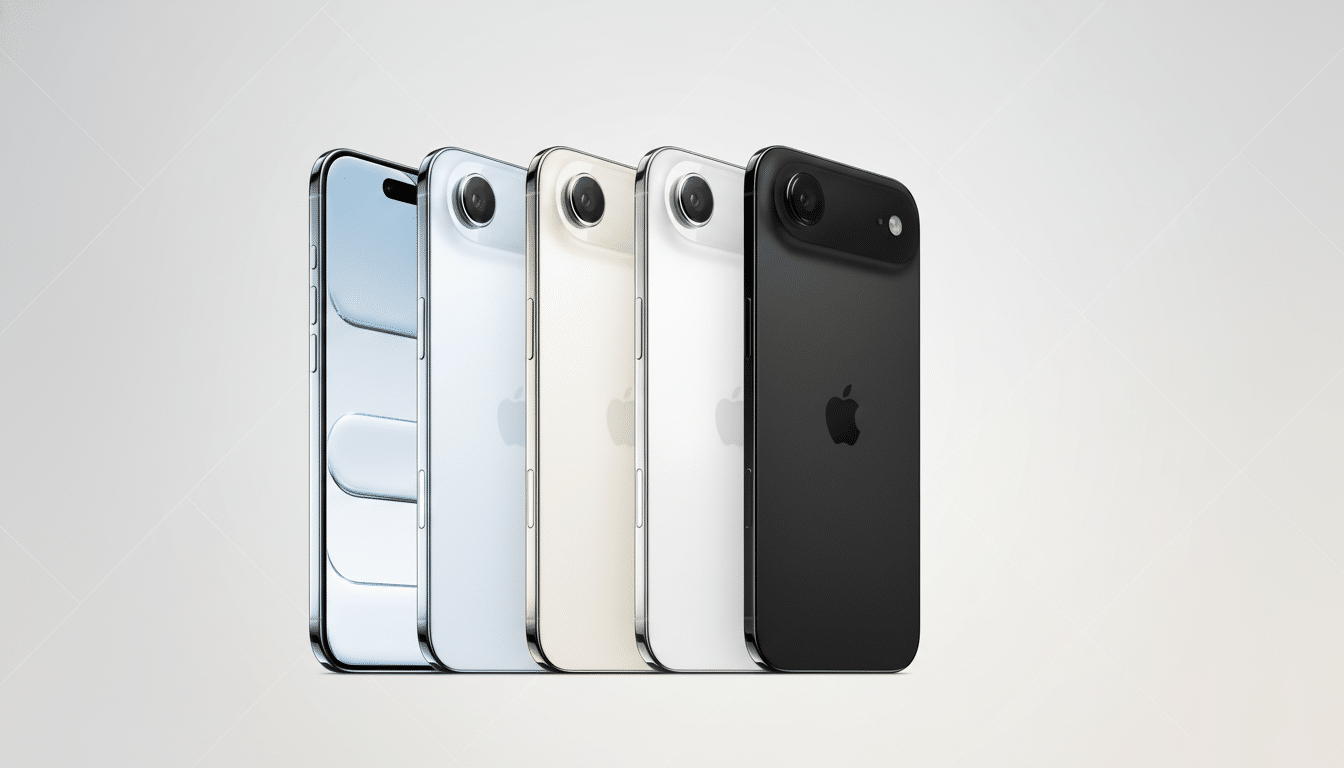
Gurman’s reporting puts the starting price at around $2,000, placing it squarely in ultra‑premium territory. That makes sense with market dynamics: new foldable flagships generally have a materials bill that’s much larger than slab phones thanks to the flexible panel, hinge assembly, and ultra‑thin glass (UTG), plus tighter production yields. Apple, which typically prices somewhere around perceived long‑term value and ecosystem pull, might rely on trade‑ins, carrier subsidies, and storage tiering to take the sting out of the sticker price.
Strategically, having a foldable sit on top of Pro‑tier iPhones creates headroom while not cannibalizing internally. And it establishes a clear story: this is the iPhone for people who live in split‑screen, on‑the‑go video editing, or frequent reading and sketching — not necessarily the best value for all.
Software bets that could define a foldable iPhone
Hardware is only half the battle. Apple’s foldable will be bested or matched on smoothness of software experience — how the UI glides between cover and inner displays, if split‑view multitasking and floating windows are iPad‑grade, what creative pros get out of stylus support, should it exist. Look for features like continuity, which passes context between screens with speed‑of‑light fluidity, camera modes that leverage the L‑shape for hands‑free shooting, and intelligent all‑device scaling so apps will instantly look native (not stretched) on both screens.
What a foldable iPhone could mean for the market
Analysts at DSCC and Counterpoint Research have been tracking steady growth of foldables, to annual shipments in the tens of millions and a trajectory (once durability and pricing mature) far larger still.
The iPhone Air “twin” logic, though, is a tell: here are Apple’s priorities — no‑compromise thinness and now‑familiar ergonomics, a design that says iPhone at a glance (if in altogether different proportions) even as it unfolds into something closer to compact iPad land. If Apple is able to combine that look with an almost invisible crease and iOS refinements that take advantage of the larger canvas, this could be the template to beat.