


Five years in, Nothing has a recognizable brand, a small but loyal niche of users, and a pile of polarizing choices. The company pledged entirely new kinds of smartphones and software, and for a moment, it delivered. The question is whether the momentum translates into long-term direction, or if, like so many trendy names before it, the luxury label will be nothing more than another trendy name trying to compete on the same old metrics.
Navigating brand identity versus the realities of the market
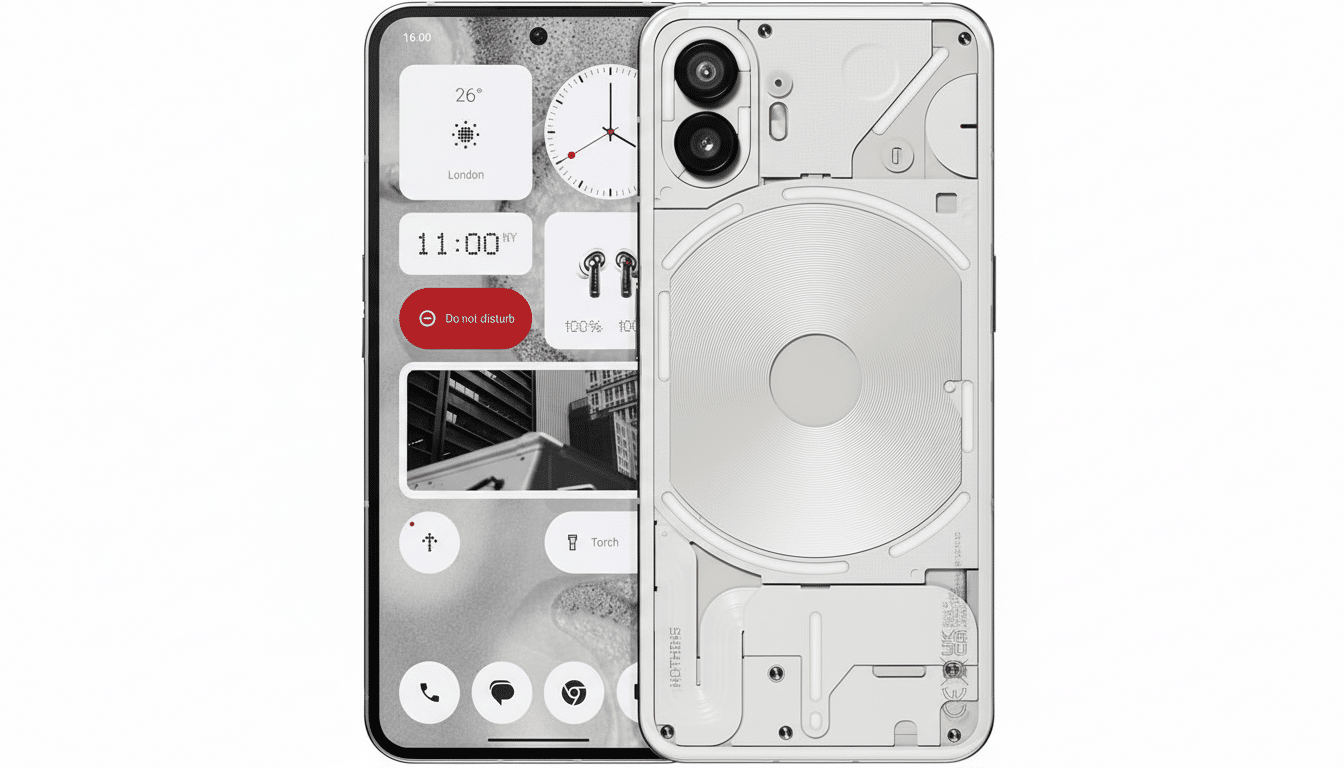
Identity is something few young tech brands get as right as Nothing. The design language was simple and transparent, and it had unique Glyph lighting which could be spotted from a mile away. That makes a difference in a market where rectangles can feel like degrees of the same object.
- Navigating brand identity versus the realities of the market
- Hardware strategy, component choices, and pricing missteps
- Software update pace, stability, and user confidence
- Ecosystem bets and where growth can come from
- What the community signals about Nothing’s direction
- Verdict and the way forward for Nothing’s next five years
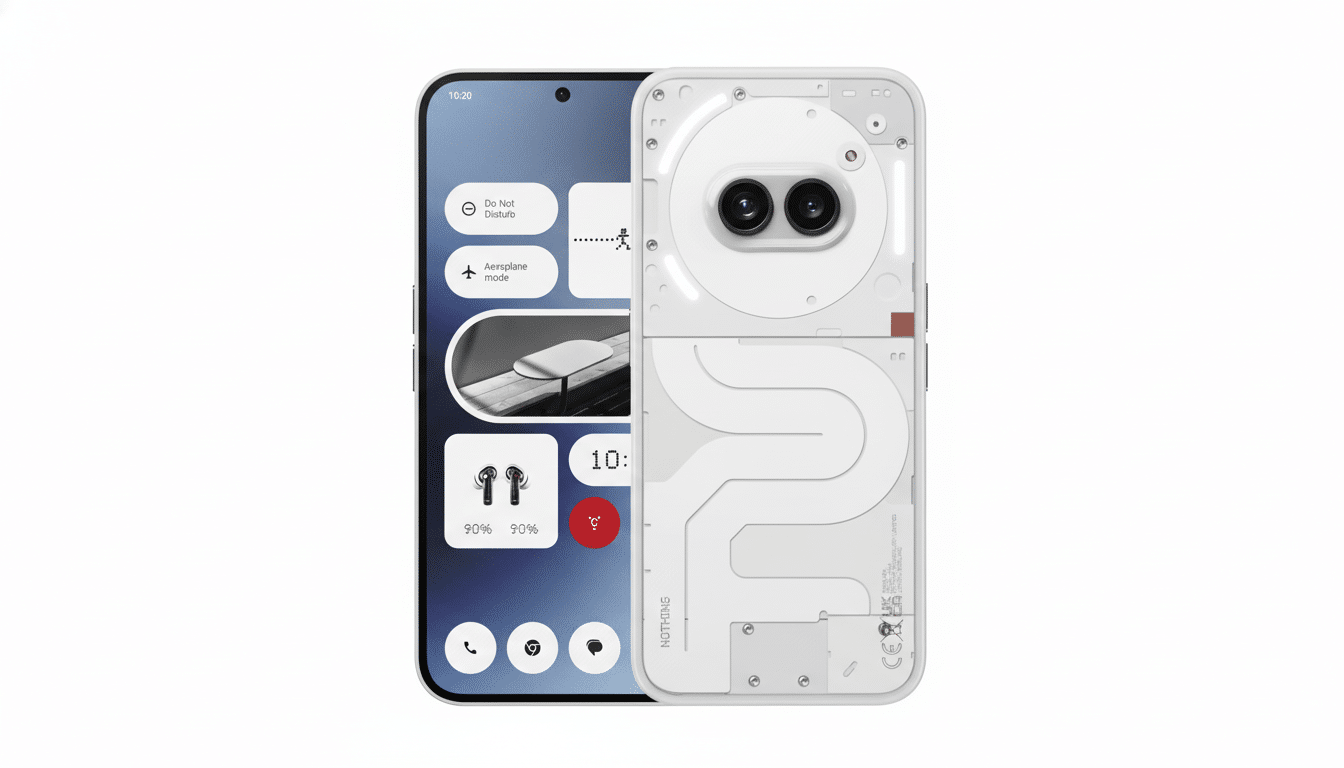
But identity is a moving target. The change from the original light strips to a Glyph Matrix-style display in the new model split early adopters. Fans of the old system contend that it was also its simplicity and personality that made it magical; offering something more customizable but also inching closer to features found on Strava adds a touch of familiarity, for better or for worse. The more you lack singularity in your signature, the dimmer the brand halo.
Hardware strategy, component choices, and pricing missteps
Nothing’s most recent product was a so-called true flagship, but its component selections gave some fuel for thought. Choosing not to go with a flagship-level Snapdragon 8s-class SoC put it in an awkward place: it was priced like a flagship but spec’d similarly to the premium mid-rangers in Qualcomm’s portfolio. That kind of mismatch is hard to defend when competitors offer the fastest silicon, bigger sensors, and longer update promises at similar prices.
Credit where it’s due, build quality has been great and haptics satisfyingly good too, while the company doesn’t introduce bloat at the same rate as other Android skins.
But the ability to maintain success above a certain price usually requires best-in-class cameras, battery life, and thermal performance. In those areas, the brand most often falls within being “very good” or “great,” rather than “undeniable.” In an intensely competitive segment, “very good” can be a kind of ceiling.
Software update pace, stability, and user confidence
Nothing OS has matured quickly, with cute animations, tasteful visuals, and clean system apps. But the recent launch of Nothing OS 4.0 on Android 16, only to be abruptly stopped for an emergency fix, demonstrated how precarious that trust can feel. Rapid updates are nice, but stability earns loyalty. Disrupted notifications, battery dips, or slight regressions are remembered more by users than a long changelog.
Update policy is another linchpin of trust. Nothing has historically come in second to the frontrunners. Google and Samsung have since made a pact to provide up to seven years of OS and security updates on their flagships, a standard that resets expectations for the entire Android universe. If Nothing wants to command flagship prices, matching or at least approaching those support windows will be table stakes.
Ecosystem bets and where growth can come from
The bigger body politic is a nebula of light. Nothing’s earbuds have already been well received, and the CMF sub-brand has potential to reach into value hardware without watering down the core aesthetic. This tiered approach is similar to how larger OEMs plant entry-level pipelines that eventually spit out buyers of premium devices.
Distribution is the elephant in the room. Carrier channels and retail presence in general make or break share, analyst firms such as Counterpoint Research and IDC have stressed in recent years — especially for North America. Nothing has gained traction in Europe and India; limited carrier uptake in the U.S. restricts visibility and upsell potential. Additional partnerships, trade-in deals, and financing alternatives would amplify the brand’s design-first message.
What the community signals about Nothing’s direction
There’s a remarkably consistent community response across forums and social platforms: fans love the look and feel, appreciate the clean software — but worry about strategic drift. The shit-kicking around the new Glyph and OS 4.0 isn’t mere nitpicking; it’s a sign that the early adopter types — Nothing’s staunchest cheerleaders — demand to see marketing reflect lived experience in an integrated way.
This feeling is even more valuable for Nothing than it is for larger incumbents. When a challenger brand gives up the narrative, it loses word of mouth, and with it the natural lift that stands in place of massive ad budgets. The silver lining is the feedback loop is so, so tight and actionable.
Verdict and the way forward for Nothing’s next five years
So is Nothing trending in the right direction? In that direction, yes: clean design language, a blossoming ecosystem, and an OS that prioritizes restraint above gimmick are strong foundations. But the brand is at an inflection point. It needs to align pricing with components, offer steadier software rollouts, and extend support commitments in order to claim flagship legitimacy. Or it could simply stow the “mid-value” lane and win on polish, speed, and price discipline in the “upper-mid” range.
The formula is simple, if not easy: pick a lane, overdeliver on the basics, bring back the secret sauce that made those first phones feel special, and win distribution. Do that, and the sixth year won’t be about potential — it will be about presence.