


Because every January is a cavalcade of prototypes, but some of CES’ most important headliners cut through the 5G smartphone chatter to address actual problems rather than specifications.
After walking the floor, poking through demos and press releases, and grilling product managers, these are the five CES 2026 products I’d shell out my own money for as soon as preorders open.
They are not just shiny: each one solves a day-to-day problem, leans on credible engineering, and appears in pre-shipping condition that rewards those early adopters. Where applicable, I’ve inserted context from industry analysts and testing orgs for some sizzle-to-steak separation.
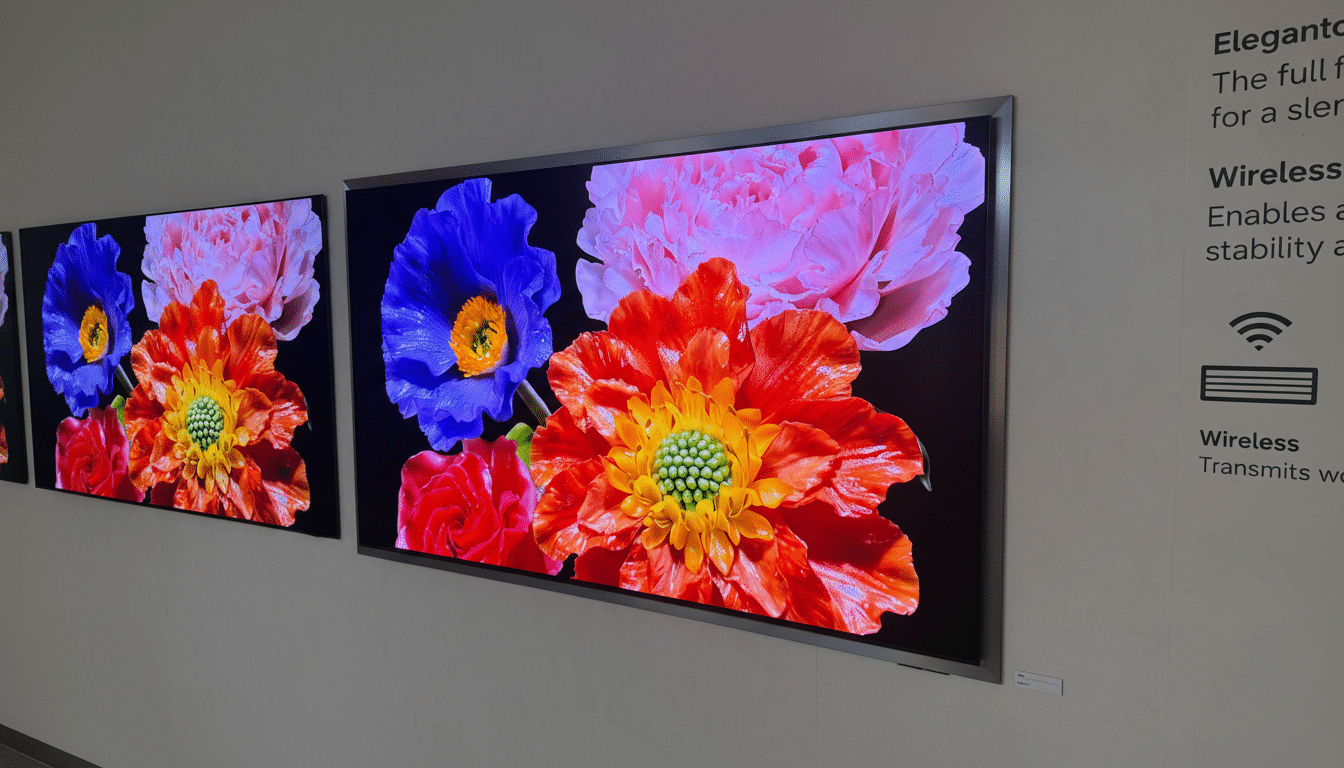
Samsung S95H Glare‑Free QD‑OLED That Tames Daylight Reflections
Game of Thrones being played out, some would say — even louder.
Here the tickets are free, so maybe it’s Game 21 rather than a series finale, or match day, or whatever shit metaphor you prefer. I’m no good at this stuff.
(I can tell you they’re not useless films that don’t exist.)
My living room is all big windows right into the glare of what they laughingly call Midtown Manhattan (perhaps I should travel to Queens), meaning any TV that can subdue daylight without desaturating colors goes top bill…
Combine QD‑OLED’s color volume with a uniform anti‑glare treatment that minimizes mirror‑like reflections (without the milky haze many matte coatings can impart), and, according to Samsung, “The result is stunning realism with head-turning crispness when viewed in even the brightest of viewing conditions.” The real-world result: punchy highlights, impressively deep blacks, and far fewer curtain‑closing moments.
A practical bonus: flexible connectivity. The ability to utilize the TV’s onboard ports or move cabling to a Wireless One Connect Box streamlines wall mounts and cable runs across multi‑device environments. For gamers and home‑theater tinkerers, that kind of I/O flexibility is more meaningful than one more acronym. If you can wait, holiday pricing—where historically premium panels drop by a huge amount—is an event so predictable that retail analysts at Circana track the price bands.
C‑200 Ultrasonic Kitchen Knife for Cleaner, Effortless Cuts
Yes, an ultrasonic knife. The C‑200 employs high‑frequency vibrations—akin to the ultrasonic scalpels used in medicine—to minimize friction at the cut line. And in the hand it feels strange at first, then almost intuitive and effortless as it cuts easily through soft bread, ripe tomatoes, and layered pastries, cleanly slicing but not squishing or crushing anything.
Safety interlocks and a guard over the blade keep the tech from feeling gimmicky, and if you cook frequently, the case is clear: cleaner cuts with less mess — not to mention saving your arm strength. At about $400 it’s not an impulse purchase, but serious home cooks spend that sort of cash on a single high‑end chef’s knife. Anticipate that early adopters and chefs will put it through its paces; food labs that test for consistency of cuts and yield will have sweet dreams.
Roborock Saros Rover stair‑climbing vacuum
Robot vacuums are still not passing the stairs test. The Saros Rover, a two‑legged design able to climb steps and cross thresholds, moves the conversation. It’s jaw‑dropping to watch it climb, but behind the spectacle was the promise of real coverage: fewer no‑go zones, less need for manual fetch missions.
It’s all about execution — battery life efficiency, gait stability on varied risers, and edge cleaning near stair noses in particular. And Roborock’s high-end robots have performed well for navigation and pickup in testing by independent reviewers at both Consumer Reports and Wirecutter, which bodes well. The International Federation of Robotics notes that domestic service robots are seeing solid double‑digit growth; and the more obstacles you can map on a layer of stairs, the more use (and demand) there is.
Samsung Crease‑Free Foldable Display with a Near‑Invisible Hinge Line
Crease and they fall apart. Samsung’s newest panel demo presented a nearly invisible fold you couldn’t feel with your fingertip — no valley, no hill, and considerably less glare at the hinge. More than just a cosmetic improvement, that tactile step affects reading ease, pen input, and long‑term satisfaction.
Durability claims will have to be third‑party validated — hinge cycle counts and drop resistance from labs like UL Solutions and TÜV are what matter here. But if this panel were to reach volume, it’s the sort of component Apple would require for a first‑gen foldable iPhone, with its tendency toward prioritizing fit and finish. Display Supply Chain Consultants predicts that foldable shipments will rocket into the tens of millions each year before this decade is out; it means unlocking mainstream buyers, getting rid of that crease.
Dell XPS Comes Back With Core Ultra Series 3
Dell returned the XPS to form with a welcome course correction: actual keycaps you can feel, an obviously defined trackpad, and a system that both looks premium without being locked down underneath its very image-conscious chassis. The 13‑inch model is the travel sweet spot and a daily workhorse, and it’s the one I’m waiting to buy.
Under the hood, Intel’s Core Ultra series 3 looks set to improve performance/watt and add stronger on‑device AI acceleration that should be able to assist in tasks like background noise removal and photograph upscaling without draining your battery dry. The fact that Samsung will be using a so‑called tandem OLED approach (two layers of stacked OLED for higher brightness at lower power draw) follows advances in tablets that display experts have hailed during the last few years. If Dell nails the landing on thermals and quiet acoustics, this might be the ultraportable to beat.
Bottom line: these five are not just cool demos. They manage to eliminate some nagging complaint — glare, clutter, stairs, creases, or the lousy ergonomics of a laptop. If they’re shipping this year, in the form GBH was showing off on the CES show floor, I’ll take a pair at retail.