


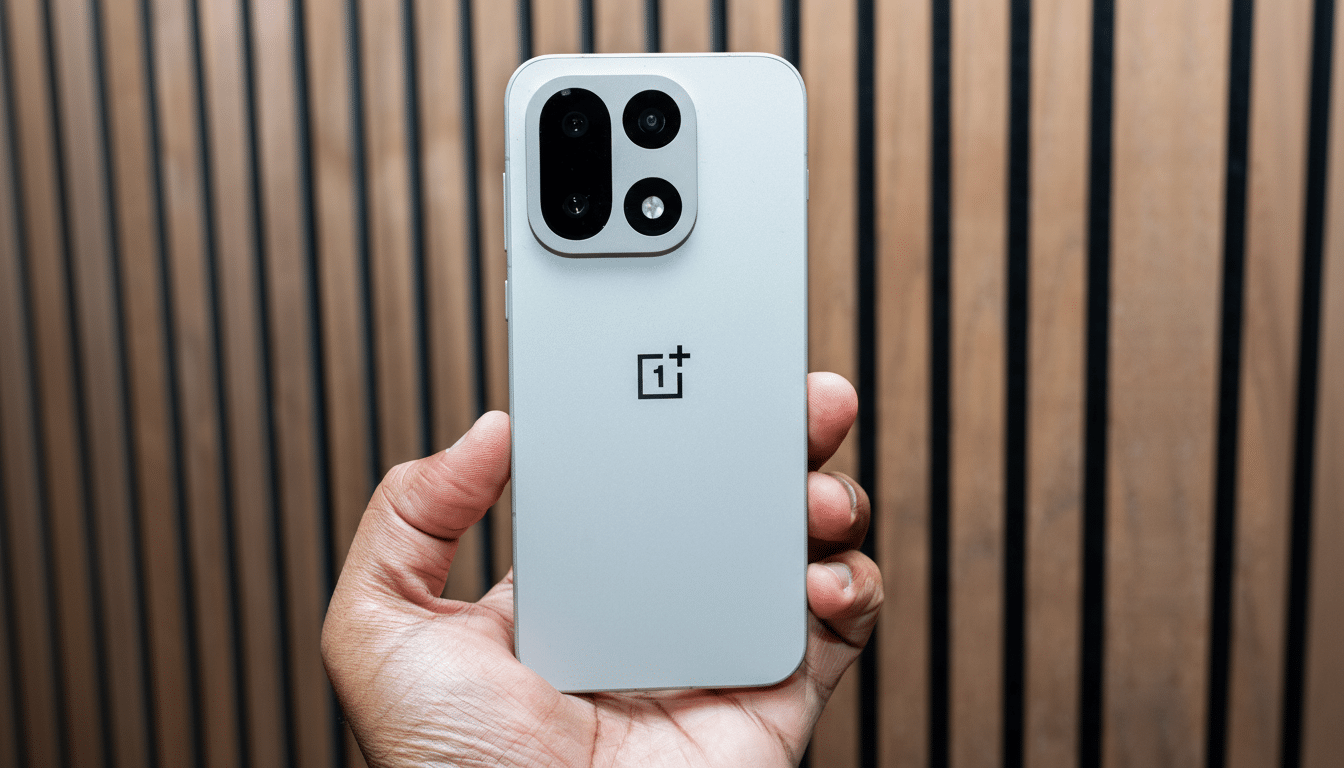
The OnePlus 15 lands with a bang on the headline specs — which include a humongous battery, scorching charging speeds, and Qualcomm’s new Snapdragon 8 Elite Gen 5 — but it also arrives with camera downgrades, a safer, if blander, design, and a briefer software promise than chief competitors. At $900 in the US for 12GB/256GB, it’s not a bad phone but it is no longer the easy choice. If you’re looking for a more balanced flagship for the same or less money, here are five Android handsets to consider.
Why You Should Look Beyond the OnePlus 15 Flagship
Reviewers have noted two potential red flags for the OnePlus 15: smaller camera sensors than last year’s model, and occasional thermal spikes under sustained load. The company’s four-year Android update pledge also feels out of date now that both Samsung and Google have come out in public for seven years — a 75 percent longer OS upgrade and security patch runway. Between aggressive promos from carriers and retailers, upgrade to a better camera system or more support for similar money.
- Why You Should Look Beyond the OnePlus 15 Flagship
- OnePlus 13: The Best OnePlus Experience Right Now
- Samsung Galaxy S25 Ultra: The True All-Rounder Flagship
- Google Pixel 10 Pro: Software and Camera Excellence
- Nothing Phone 3: Style, Clean Software, and Value
- Motorola Razr Ultra: A Foldable Worth the Leap Today
- Buying Notes and Real-World Value for Flagships
- Bottom Line: Five Better Alternatives to OnePlus 15

OnePlus 13: The Best OnePlus Experience Right Now
If you crave OnePlus speed and battery life, the OnePlus 13 is the cleaner execution. Its 6,000mAh cell is smaller than the 15’s 7,300mAh pack but real-world longevity makes for some great numbers, and 80W wired charging still propels it from empty to full in just over half an hour. Super quick performance is also evident with the Snapdragon 8 Elite model, without all the hothousing some say occurs on the 15 version. Importantly, the 13 maintained the bigger camera sensors and thus more consistent dynamic range and low-light shooting. Street prices often fall well below MSRP, making it the simplest lateral move.
Samsung Galaxy S25 Ultra: The True All-Rounder Flagship
As a “buy once, use for years” versatile flagship option, it’s difficult to look past the Galaxy S25 Ultra. It’s paired with the Snapdragon 8 Elite and a calibrated Dynamic AMOLED 2X display and an anti-reflective coating that significantly reduces glare in sunlight — the feature so many loved on the previous generation, and it continues to deliver here. It also brings some top-end photography and a no-nonsense 5,000mAh battery that should keep even the most demanding users satisfied. Charging is slower than OnePlus, but the included S Pen and seven years of OS and security updates provide long-term value. The list price is higher, but major retailers have already discounted it to around $950.
Google Pixel 10 Pro: Software and Camera Excellence
If you value experience over raw benchmarks, the Pixel 10 Pro is a connoisseur’s pick. Google’s Tensor G5 hones in on on-device AI responsibilities, image manipulation, and optimization for those peak CPU bursts. The result is beautifully simple software, class-leading stills and video, and the same seven-year update promise as Samsung. Yes, battery life is a day instead of two and the display isn’t as big, but, all things considered, with daily fluidity, call quality, and computational photography, it’s the wiser bet at an equivalent OnePlus 15 starting price — and often less after your trade-ins.
Nothing Phone 3: Style, Clean Software, and Value
If you’ve been missing the old OnePlus vibe, where it was all about bold design and clean software and epic value, Nothing Phone 3 delivers in spades. The translucent shell and Glyph UI aren’t just novelty, though, with a crisp 6.67-inch AMOLED, efficient Snapdragon 8s Gen 4, and quick 50W wired charging that smuggles past Samsung and Google. Nothing OS is a well-oiled machine that keeps bloat at bay and feels cohesive, and the camera stack is now competitive after lots of tuning. Pricing starts at around $800, which undercuts the OnePlus 15 and matches or beats it in terms of overall polish.
Motorola Razr Ultra: A Foldable Worth the Leap Today
Spending near a grand? This generation of Razr Ultra makes a strong argument for making the jump to foldable. Open, you get a 7-inch 165Hz OLED that acts like a regular slab; closed up, the roomy 4-inch cover screen runs full apps for quick replies, maps, and music. Performance is proper flagshippy with the Snapdragon 8 Elite and up to 16GB RAM, including a 68W wired charging option. Daylight: Dual 50MP cams surpassing what the flip should do. The MSRP is basically the same at $1,299, but you know how much Motorola likes its deals: Between those and trade-in discounts, it’s been easier to find one of these closer to about $900 than not, and at that price, we simply found the Edge X30 a more all-purpose experience than the OnePlus 15.
Buying Notes and Real-World Value for Flagships
Two practical tips before you leave the checkout page. First, take into account support life: seven years of updates can spare you an upgrade cycle, a clear long-term victory as noted by buyers for both enterprise IT and consumer advocacy organizations. Second, keep an eye on carrier and manufacturer trade-ins; during major events, Samsung and Google flagships often bring in hundreds of dollars in credits, narrowing the price gap. In that mix, the OnePlus 15’s fast-charging trade-off is likely not enough to overcome inferior cameras and briefer software longevity.
Bottom Line: Five Better Alternatives to OnePlus 15
The OnePlus 15 is fast and just short of long-lasting on a single charge, but the better all-around experiences are elsewhere. If you just want the best, go with the 13. For balance and the long-term, get the Galaxy S25 Ultra. For the cleanest software and best photos, get the Pixel 10 Pro. For lusciousness and great value, Nothing Phone 3. And if you’re foldable-curious, the Razr Ultra pushes the same budget into a more flexible phone. Any of those five will age more gracefully — and most will save you money over the long term.