


A recently discovered Fire OS exploit is allowing power users to take more control of Amazon’s streaming devices than the company can tolerate. With system-level privileges, Fire TV streamers and Fire tablets have the ability to install a real custom launcher, visit typically locked-down system directories, sideload apps blocked by Amazon’s ecosystem-driven restrictions, and even block over-the-air updates without elaborate root trickery.
What this vulnerability really allows on Fire OS
The process gives you “system user” rights — more power than a regular app, if less than root. In reality, it’s just enough to replace the stock home screen, handle default HOME intents, power controls, and modify some system settings — and little else. Some dedicated installers of lean launchers tout success in removing aggressive recommendations that overpower the default interface.
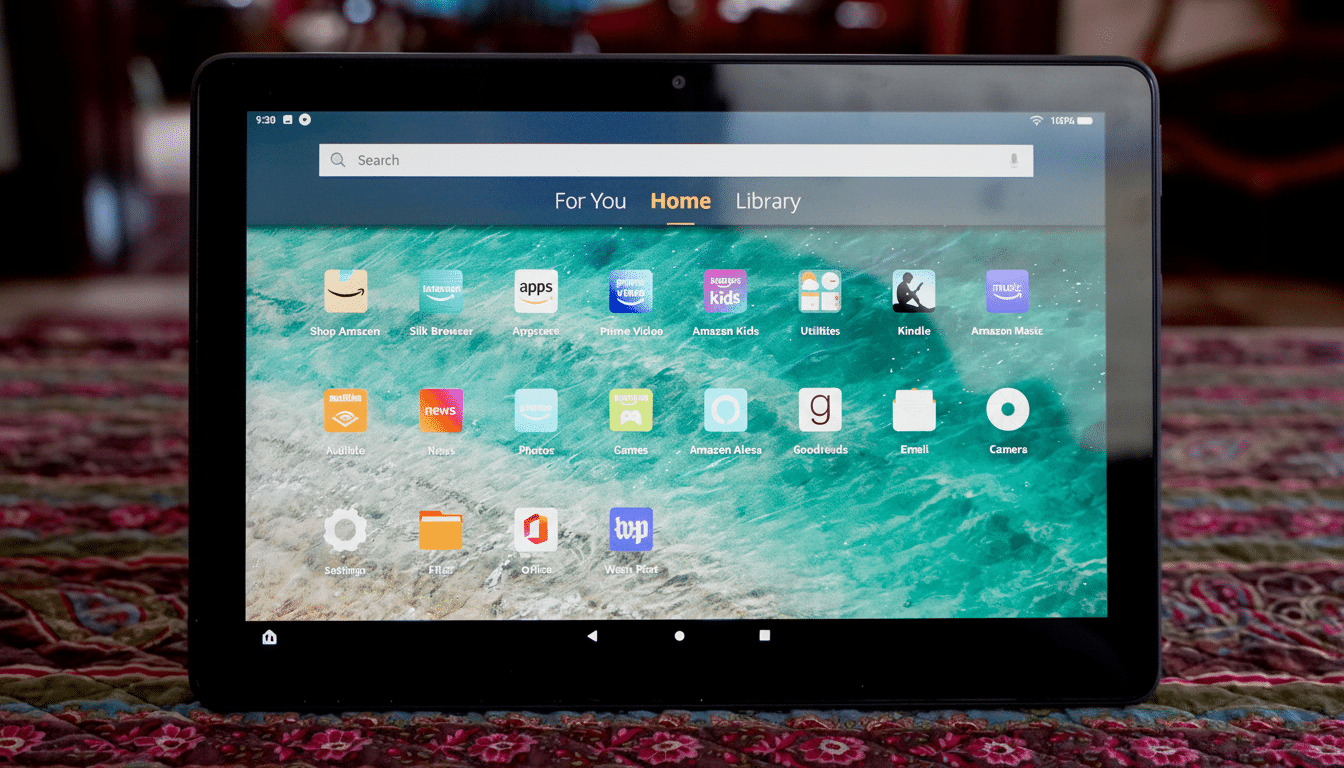
Since you’re not acquiring root permanently, when you reboot the elevated session is gone. Most importantly of all, though, many changes you make while elevated stick, such as the launcher chosen and elements disabled. That’s why the power to block automatic updates matters. If a future patch isn’t pulled down by the device, your customization is less likely to be undone.
Supported devices and how the exploit is done
Based on reports from the community developers at XDA Forums and a little in-house testing of our own here at AFTVnews, the method works with Fire OS 7 and 8, which includes most Fire TV Sticks and Cubes as well as newer Fire tablets. You can perform the exploit via USB or network debugging, but you’ll need to start with a Windows, macOS, or Linux computer running Android Debug Bridge (ADB).
It is quite technical, but still easy for anyone who has used ADB before: enable developer options, use ADB to get a session going, elevate your credentials to the system user with their new method, execute some package and activity-manager commands to set a different launcher (or enable an existing one), disable specific components, and block update services if you want.
You can find the exact command sequence described step-by-step along with a demonstration video in our modding community’s detailed guide.
Why Fire TV users should care about custom launchers
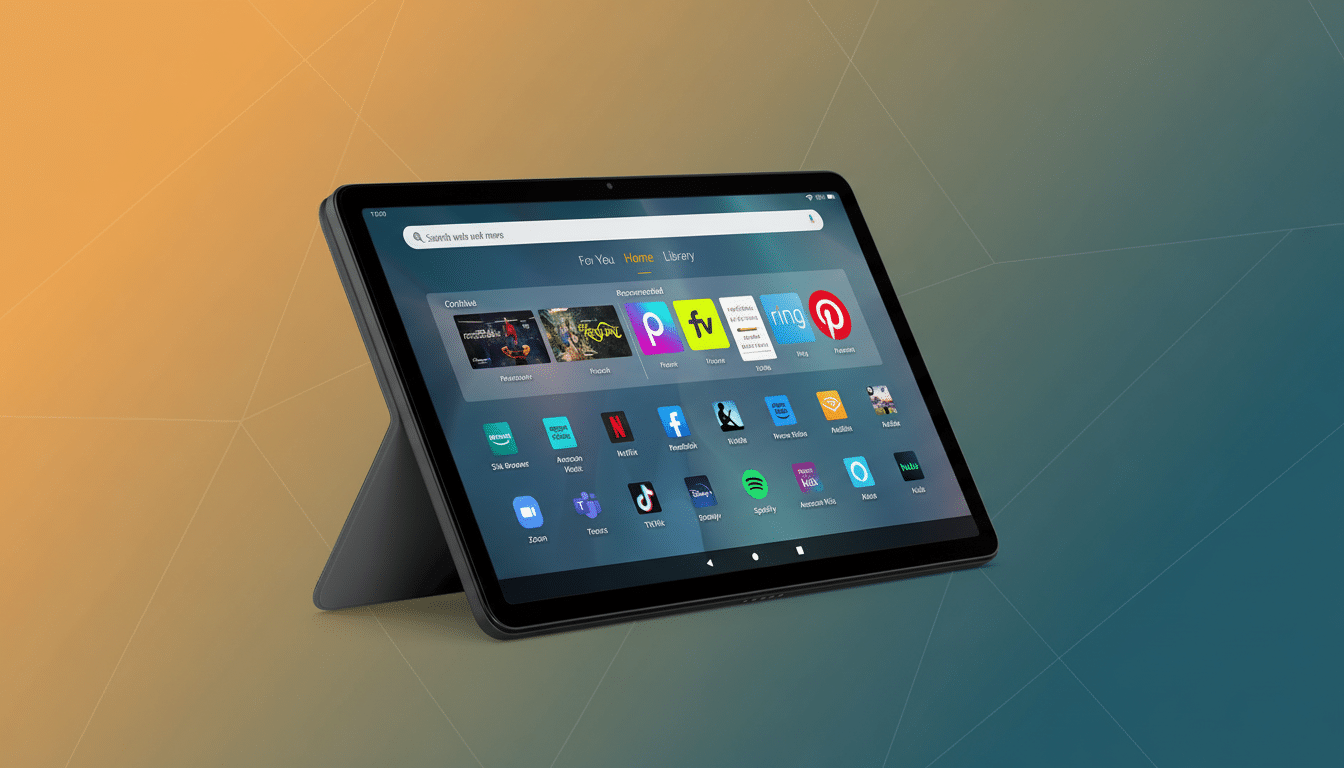
Stock Fire TV UI: Truly it is predicated on promoted content, rows of recommendations, and storefront hooks. For many households, that’s fine. But power users appreciate that cleaner experience, in which their apps and services can be prominent without constant upsell. Wolf Launcher or Projectivy Launcher can emulate minimalist grids, configurable rows, and fast navigation, all things that were hard to make “stick” on the recent Fire OS builds before this solution.
Analysts with Parks Associates and other similar research firms have flagged that the consumer tolerance for ad density and UI complexity on connected TV platforms is steadily declining. And that helps explain the excitement on home-theater forums: A custom launcher can remove friction, limit distractions, and render a living room hub more personal than prescriptive.
Security, warranty concerns and the patch window
There are real risks. AFTVnews and community moderators caution that toggling the wrong system element can soft-brick a device or disable key features such as HDMI‑CEC, voice search, or app authorization. But turning off updates is also a security trade-off, because you won’t receive patches to plug holes that are not related to customization.
You can bet this avenue will quickly disappear. Platform providers generally fix privilege-escalation pathways soon after they go public, and Amazon probably has engineers working on a patch already. The software-based nature of the approach means that an over-the-air update is enough to switch it off across supported models. If you do — and we aren’t saying that you should — back up your data, keep track of each change made, and be ready to factory reset if it all goes south.
The bigger picture: Battle for TV home screens
That brings us to a larger trend that this episode illustrates. With over-the-top TV platforms battling it out for advertising and engagement, they’re locking down control of the home screen. Google’s Android TV and Google TV also have semi-blocked the behavior of a third-party launcher in newer releases: an application now needs special permission to set itself up as HOME. The response from the enthusiast community is workarounds, aiming to reclaim the freedom that led them to Android-powered devices in the first place.
Fire TV’s large profile ensures that even a niche exploit can have significant splash among hobbyists and cord-cutters who value customization. It also challenges platform owners to find a happy medium between monetization and user control — especially as households stack streaming boxes and smart TVs in a literal display of voting with their HDMI ports.
Bottom line: a temporary but powerful customization window
If you have long waited for the chance to make a custom launcher your default on Fire TV, or you wish to trim away pre-installed services, this is probably the most promising route in years, at least.
It’s also a temporary bandage, might be dangerous, and is almost certain to be closed. Continue only if you understand ADB, follow community instructions word-by-word, and take responsibility for security/warranty, as it has no active, enlightened developer yet. And everyone else should hold tight and see what official customization options — or the next move in a cat-and-mouse game — bring.