


Selecting the right dining table requires a careful balance of practicality and style, ensuring the piece complements the room while meeting everyday needs. A thoughtfully chosen table not only serves as a functional workspace for meals but also enhances the overall ambience of the dining area. Among notable options, the Hipvan dining table exemplifies designs that combine versatility with aesthetic appeal, guiding homeowners in making informed choices for their living spaces. The process of selecting a dining table involves consideration of space, shape, material, seating capacity, style, durability, budget, functionality, and personal touches.
Assess the Space
Before choosing a table, understanding the dimensions of the dining area is essential. Oversized tables can overwhelm a room, creating cramped conditions and limiting movement, while undersized options may leave the space feeling empty and unbalanced. Accurate measurements are key, taking into account clearance for chairs and ease of movement around the table. Experts recommend leaving at least 91–107 cm between the table edges and surrounding walls or furniture to ensure comfortable circulation. In addition to the table’s footprint, consideration should be given to the flow of the room, ensuring that walkways remain clear and other furniture is not obstructed. Evaluating natural light sources and room layout can also influence table placement, contributing to a functional and harmonious environment.
Choose the Right Shape
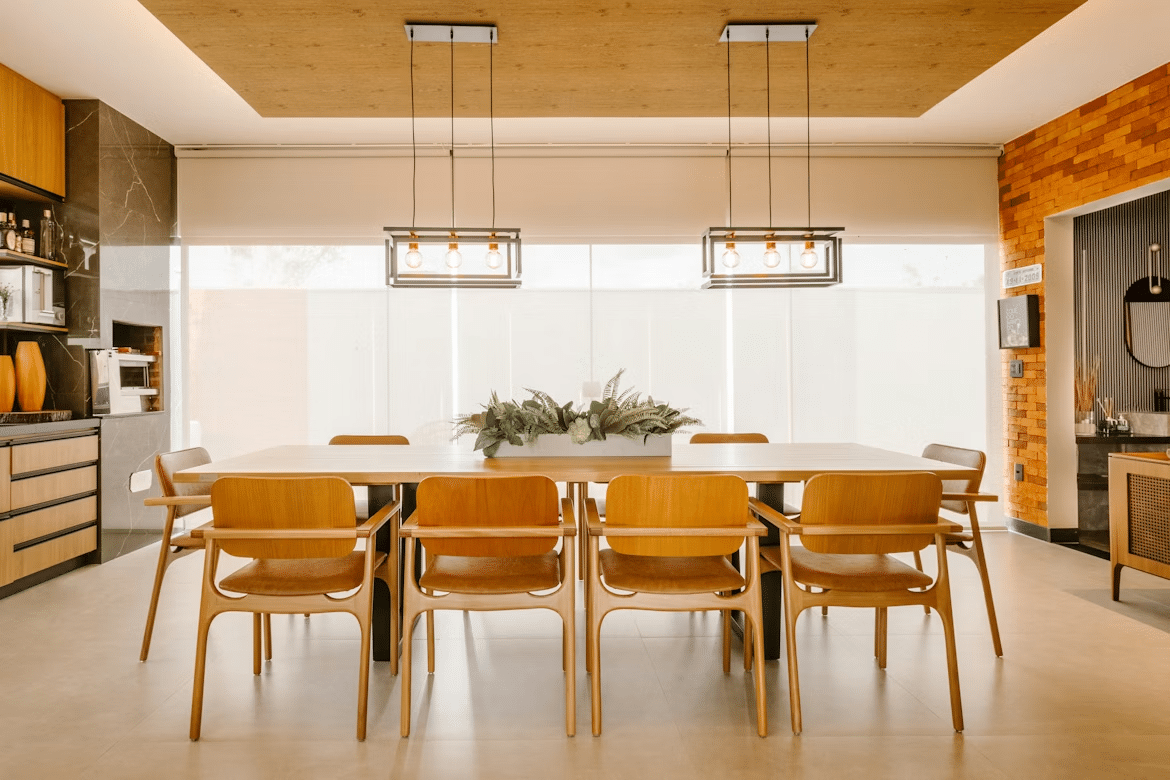
The shape of a dining table should harmonise with the room’s layout. Rectangular tables are the most versatile, accommodating both large gatherings and intimate meals, and suit long, narrow spaces. Square tables bring symmetry and balance, particularly in square rooms, while round tables foster inclusive and cosy dining experiences, ideal for smaller areas or circular seating arrangements. Oval tables combine the benefits of rectangular and round designs, offering linear space with a softer, more open feel. Considering the shape also affects how easily guests can interact: round and oval tables encourage conversation, while rectangular and square tables provide a more structured arrangement, suitable for formal dining settings.
Consider Material and Finish
The material of a dining table affects both durability and aesthetic appeal. Wood remains a timeless choice, with options such as oak, walnut, and teak offering longevity, warmth, and a classic look that complements a wide range of décor styles. Glass tables create a modern, airy effect, often making compact rooms feel more spacious by allowing light to pass through. Metal tables provide an industrial edge, combining resilience with contemporary design, while composite or laminate materials present budget-friendly alternatives available in diverse finishes. Choosing the right material should also take into account lifestyle needs; for instance, households with young children or frequent entertaining may benefit from materials that resist scratches, stains, and heat.
Style and Aesthetic
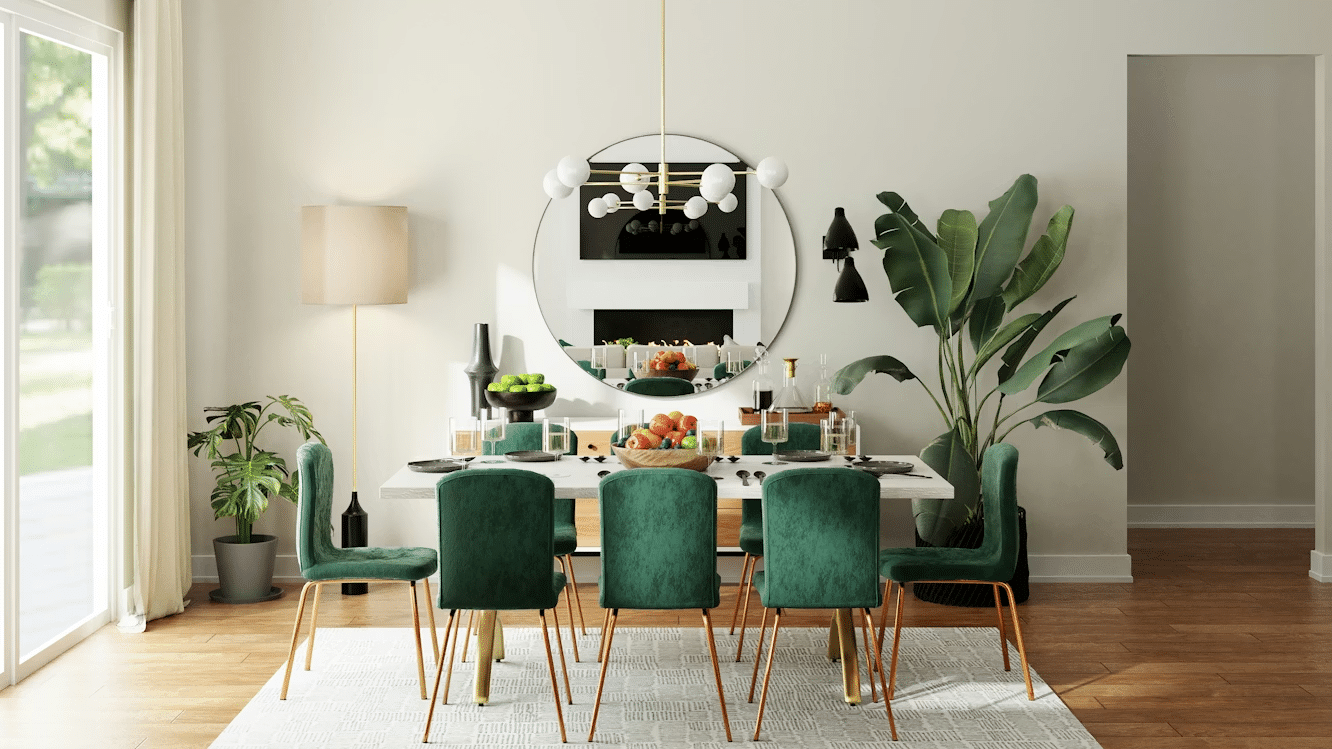
A dining table should reflect the home’s style and integrate seamlessly with existing décor. Elements such as leg design, edge detailing, and overall lines contribute to the piece’s character. Whether a homeowner prefers classic, rustic, or contemporary aesthetics, the table should complement rather than clash with the room’s colour palette. Subtle tones provide a harmonious backdrop, while bold designs can act as a statement piece. Beyond colour and finish, proportion and scale are important: the table should feel balanced within the room, neither overpowering nor underwhelming. Accessories such as table mats, centrepieces, or even decorative chairs can enhance the overall effect.
Durability and Maintenance
Durability and ease of upkeep are important considerations, particularly for high-traffic households. Wood tables with sturdy finishes or laminate options can withstand daily use while requiring minimal maintenance. Materials susceptible to scratches, stains, or extensive care may be less suitable for busy homes. Regular maintenance, including cleaning, polishing, and the use of protective mats, ensures the table remains in good condition for years. Investing in durable materials not only enhances longevity but also maintains the visual appeal of the table, keeping it a central feature of the dining area.
Budget and Investment
Dining tables vary widely in price, making budget planning essential. While solid wood options are typically more costly due to craftsmanship and durability, other materials can offer stylish and functional alternatives at lower costs. Establishing a clear budget before shopping helps homeowners strike a balance between quality and cost. Sales, promotions, and pre-owned options can provide access to high-quality tables without exceeding financial limits, allowing investment in pieces that combine longevity with design appeal.
Multifunctionality
Modern living spaces often benefit from furniture with multifunctional features. Tables with built-in storage or extendable surfaces provide flexibility, particularly in compact homes. Extendable tables can accommodate additional guests as needed, offering adaptability without permanent spatial demands, which is ideal for apartments or multi-use rooms. Multifunctional tables can also double as workspaces, craft stations, or buffet surfaces, enhancing the table’s practicality in everyday life.
Personalisation
Adding personal touches transforms a dining table from a purely functional item into a reflection of individual taste. Chair covers, table runners, decorative centrepieces, and seasonal accents contribute character and warmth, creating an inviting focal point. Balancing aesthetics with comfort ensures the dining area remains both stylish and practical, reflecting the household’s lifestyle and personality.
Conclusion
Choosing the perfect dining table is a process that combines spatial awareness, material selection, style, and personal expression. By considering practical requirements alongside aesthetic preferences, homeowners can select a table that enhances the overall harmony of their space, providing both functionality and visual appeal. A well-chosen dining table turns everyday meals into meaningful occasions, making it a cornerstone of a welcoming and stylish home. With careful planning, consideration, and attention to detail, selecting a dining table becomes an enjoyable and rewarding experience that elevates any living space.