


OPPO’s next flagship Ultra is shaping up to be a marathon runner. A pre-production unit reportedly tested by noted tipster Yogesh Brar points to a 7,050mAh battery and a 1440p OLED panel capable of 144Hz, with retail devices said to ship at 120Hz. If accurate, the Find X9 Ultra could marry outsized endurance with a premium smooth display — and a few strategic trade-offs.
What The Battery Jump Means For Endurance And Design
A 7,050mAh pack would be a notable leap over the Find X8 Ultra’s 6,100mAh unit — roughly a 16% bump — and a huge cushion versus the 5,000mAh cells still common in top-tier flagships, a difference of about 41%. In practical terms, that could translate into an extra few hours of screen-on time, especially under camera-heavy or 5G use where power draw spikes.
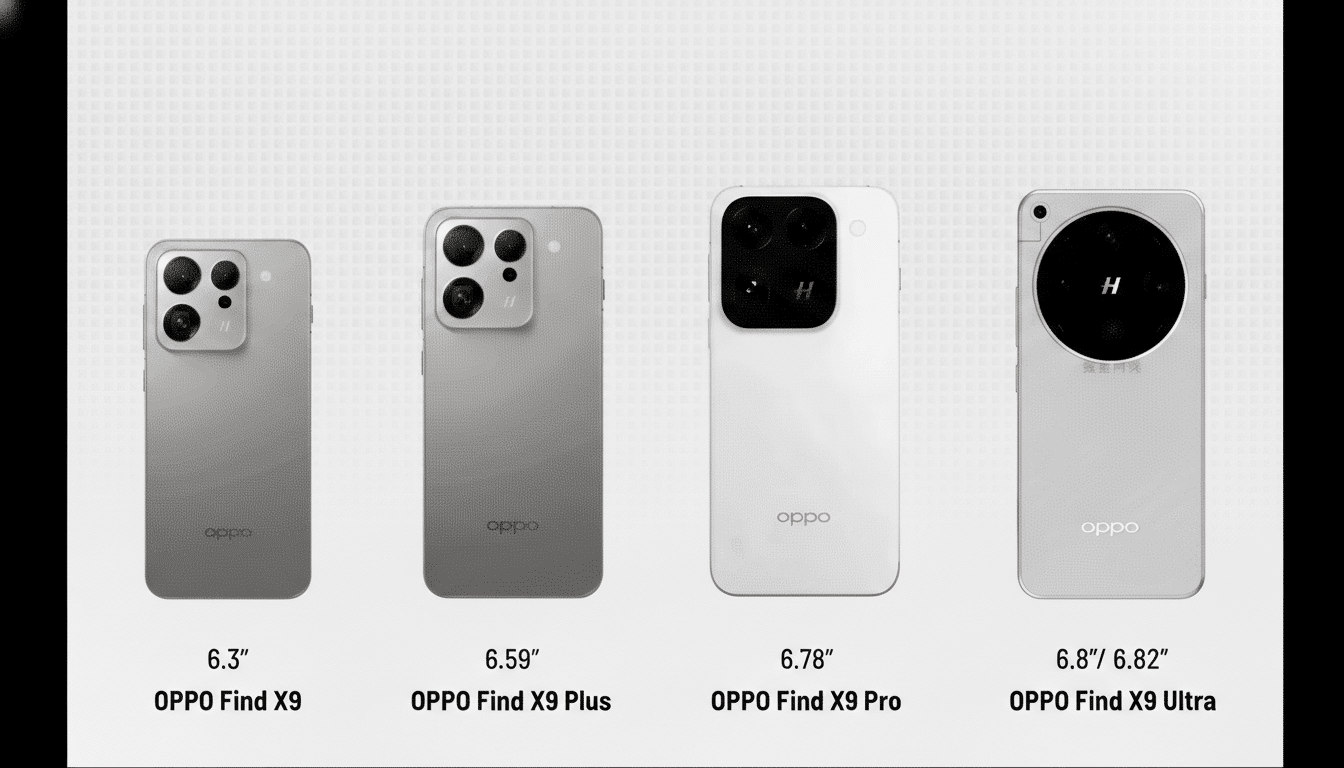
There are engineering caveats. Larger batteries typically add mass and require tighter thermal management. Using typical energy density estimates for modern smartphone cells, a jump from 5,000mAh to 7,050mAh can add on the order of 25–35 grams. OPPO has a history of smart packaging and stacked cells, so the final feel will hinge on chassis materials and weight distribution. Expect high-wattage SUPERVOOC charging to remain part of the endurance story to offset that larger capacity with rapid top-ups.
Why A 120Hz Cap On A 144Hz-Capable Panel Makes Sense
The test unit reportedly uses a BOE-made 1440p OLED that can hit 144Hz, but production phones are tipped to be locked to 120Hz. While that may sound like leaving performance on the table, there are solid reasons manufacturers make this call. Running at 144Hz increases power consumption and heat, particularly at high brightness and 1440p resolution. A 120Hz cap — ideally with an LTPO backplane enabling granular 1–120Hz adaptation — often yields a better balance of smoothness and battery life.
It also simplifies calibration and panel binning at scale. Industry trackers such as Display Supply Chain Consultants have noted that 120Hz LTPO remains the dominant choice for premium flagships, while 144–165Hz panels are more common in gaming-centric phones from brands like ASUS and Nubia. If OPPO prioritizes consistency, color accuracy, and endurance, a 120Hz ceiling on a 144Hz-capable panel is a pragmatic move — especially paired with a huge battery meant to deliver true two-day longevity for mixed users.
Cameras And Chipset Rumors Add Intrigue To Specs
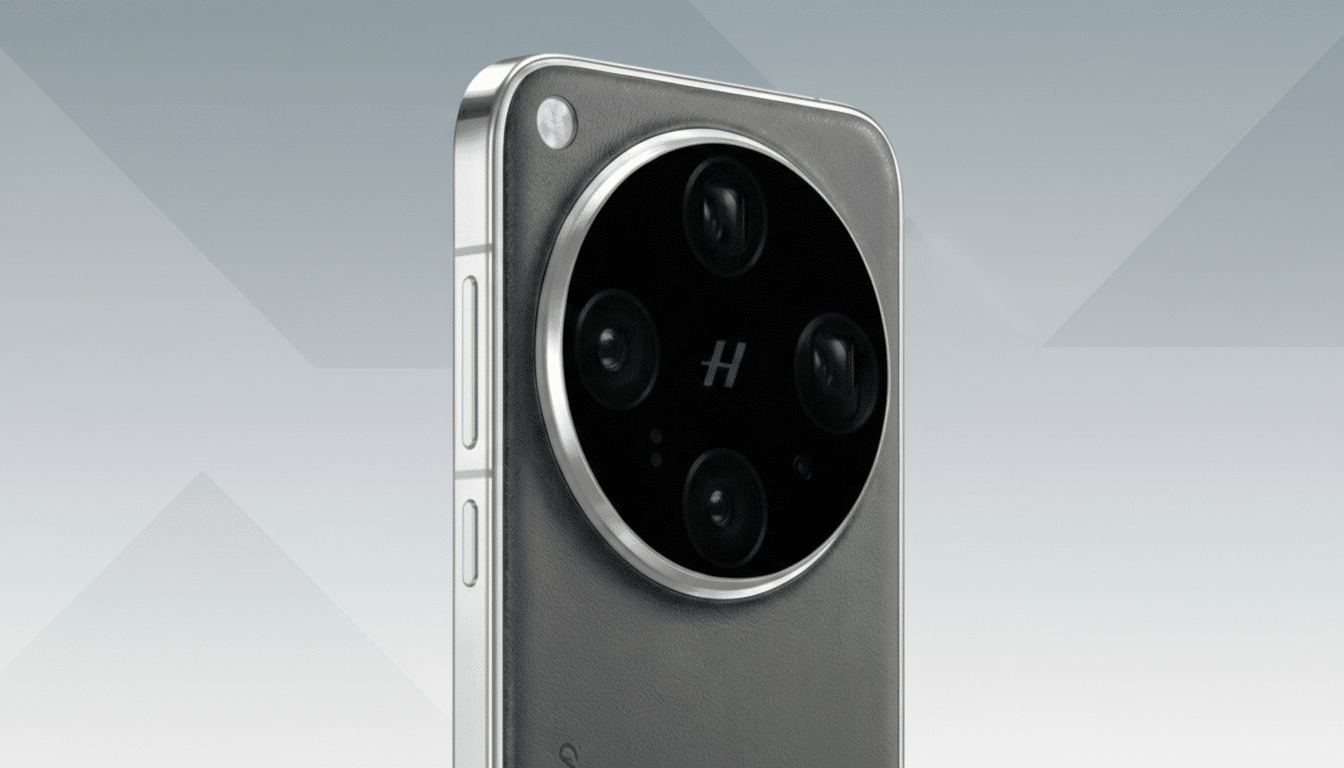
The same leak teases a headline-grabbing camera array: two 200MP sensors (main and a 3x periscope), alongside 50MP ultra-wide and longer periscope modules, plus a 50MP selfie shooter. If realized, a 200MP telephoto would be unusual in the industry and could enable aggressive in-sensor zoom and advanced computational fusion. Success will hinge on sensor size, lens quality, and OPPO’s image processing — areas where the brand has pushed hard with its recent flagships.
Under the hood, a next-gen Snapdragon 8-series platform is expected, with software rumors pointing to Android 16 layered with ColorOS 16. That combination would position the device for extended OS support, on-device AI features, and console-level gaming performance — all of which reinforce the case for a bigger battery and a carefully tuned refresh-rate strategy.
How It Stacks Up And What To Watch Before Launch
On paper, the Find X9 Ultra’s reported 7,050mAh capacity would eclipse many rivals in the premium tier, where 4,600–5,200mAh is the norm. It would also outgun the typical 120Hz QHD+ display setups by supporting a 144Hz ceiling at the panel level, even if capped in software for retail. That combination suggests OPPO is designing for sustained performance and endurance rather than one-off benchmark wins.
Key variables to watch when it becomes official: whether OPPO confirms an LTPO implementation with aggressive low refresh down to 1Hz, the final weight and thickness, and charging wattage. Equally important will be real-world runtimes at QHD+ and 120Hz, plus any optional 144Hz toggle for enthusiasts. As always with pre-release hardware, these details are subject to change, but the direction is clear — a flagship engineered to go long without sacrificing responsiveness.