


The U.S. Federal Communications Commission offered up a 163-page schematic package for an unannounced iPhone 16e, a document that was repeatedly stamped “Apple Proprietary and Confidential,” before it was taken down from public view. The filing was uncovered by a researcher who keeps track of FCC filings on the third-party index FCC.io, immediately prompting questions about how a secured exhibit ended up on an open list.
Based on accounts I’ve received of what the file contained, highlights included board-level diagrams that would be used for certifying electromagnetic interference with United States and European regulatory authorities; images showing a populated printed circuit board assembly (PCBA) used to gain Wi‑Fi or other wireless certifications; a block diagram of the CPU–GPU subsystem; as well as high-resolution photos of all sides of the modules Apple planned to submit for regulatory approval.
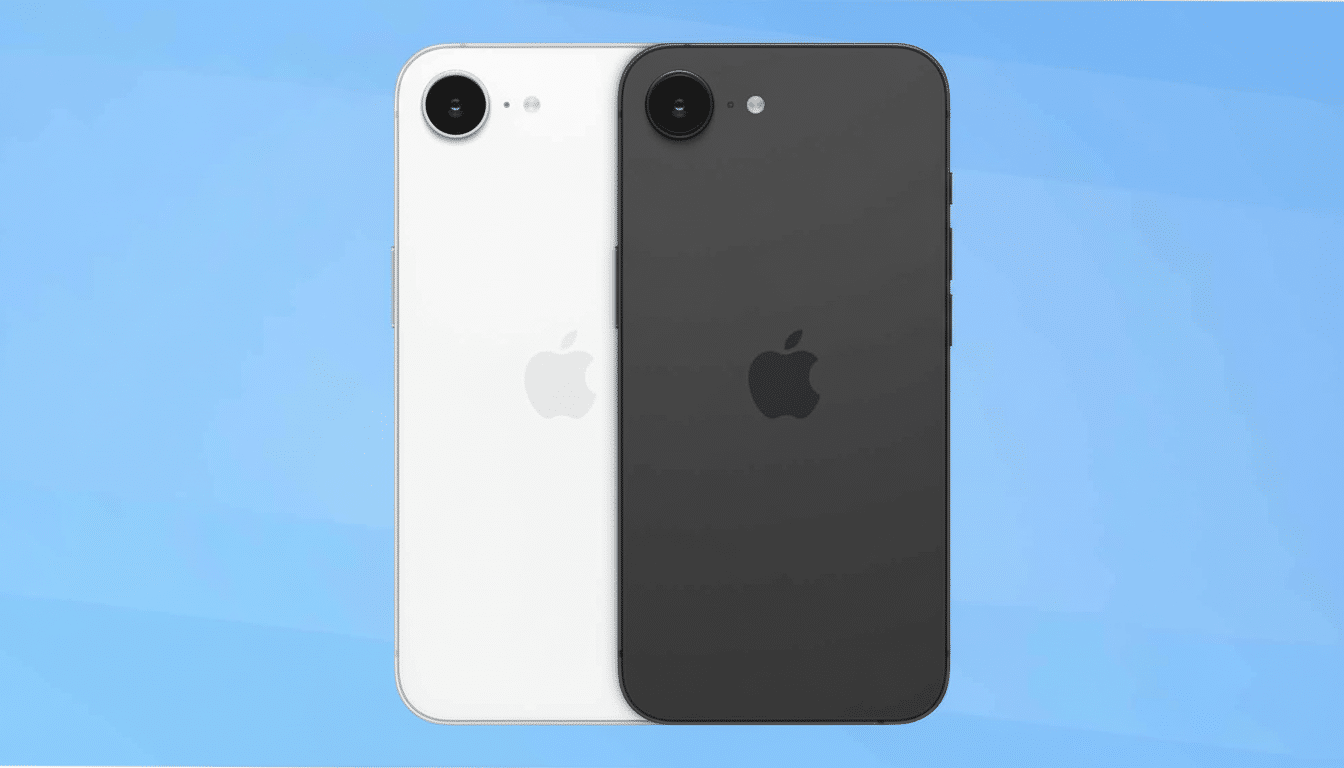
In addition, there would also have been text detailing radio-frequency and power-amplifier performance calibration plans in Open ETS measurements from such testers as Keysight Technologies and Rohde & Schwarz, as well as antenna-tuning priorities for different types of plastic enclosures: borealis blue, bora-harbor blue or antilles-green.
All staples in engineering samples—Cupertino makes sure they never see the light of day until below‑regulation‑threshold radiation‑emission targets. These were exactly that class of late-stage-prototype goodies we had hoped Foxconn’s layout person would finally realize was valuable “labor,” ripe, ultimately, for the highest bidder.
Apple’s letter to the regulator asked for permanent confidentiality on electrical schematics, referring to trade secret protection and competitive harm as a reason.
Apple and the FCC have not commented. It’s been removed from the official equipment authorization record, indicating it was delisted after being discovered, but publicly indexed copies may remain.
What the Document Probably Showed in Detail
Engineering diagrams are a lot more detailed than a marketing spec sheet. Outside of high-level chip selections, they can also display signal routing, component reference designators, and how the application processor, baseband, and RF amplifiers/filters/stages interplay. For a device like an iPhone, that can be antenna diversity, mmWave modules (where present), mmWave/UWB placements, and thermal conditions around the SoC and PMICs.
Reverse engineering is so much easier with that type of map—even without full component values. Competitors and decap firms can deduce bill-of-materials choices, performance trade-offs, and vendor relationships. Security researchers might also use block diagrams to zero in on attack surfaces like baseband interfaces or debug paths. However, modern iPhones have protections such as the Secure Enclave and hardened firmware to prevent hardware-level probing.
How FCC Confidentiality Is Supposed To Function
Manufacturers submit technical exhibits to the FCC (most frequently through TCBs) for equipment authorization. Pursuant to 47 CFR 0.459, and based on the information included in the FCC’s OET Knowledge Database (for example, see “KDB 726920”), applicants may request long-term confidentiality for schematics, block diagrams, or detailed operational descriptions — and short-term confidentiality for external photos of the device or user manuals — until attaining commercial marketing.
Mistakes are always possible: a misapplied confidentiality flag, a submission filed in the wrong category, or only metadata properties shielding, and not the document object itself.
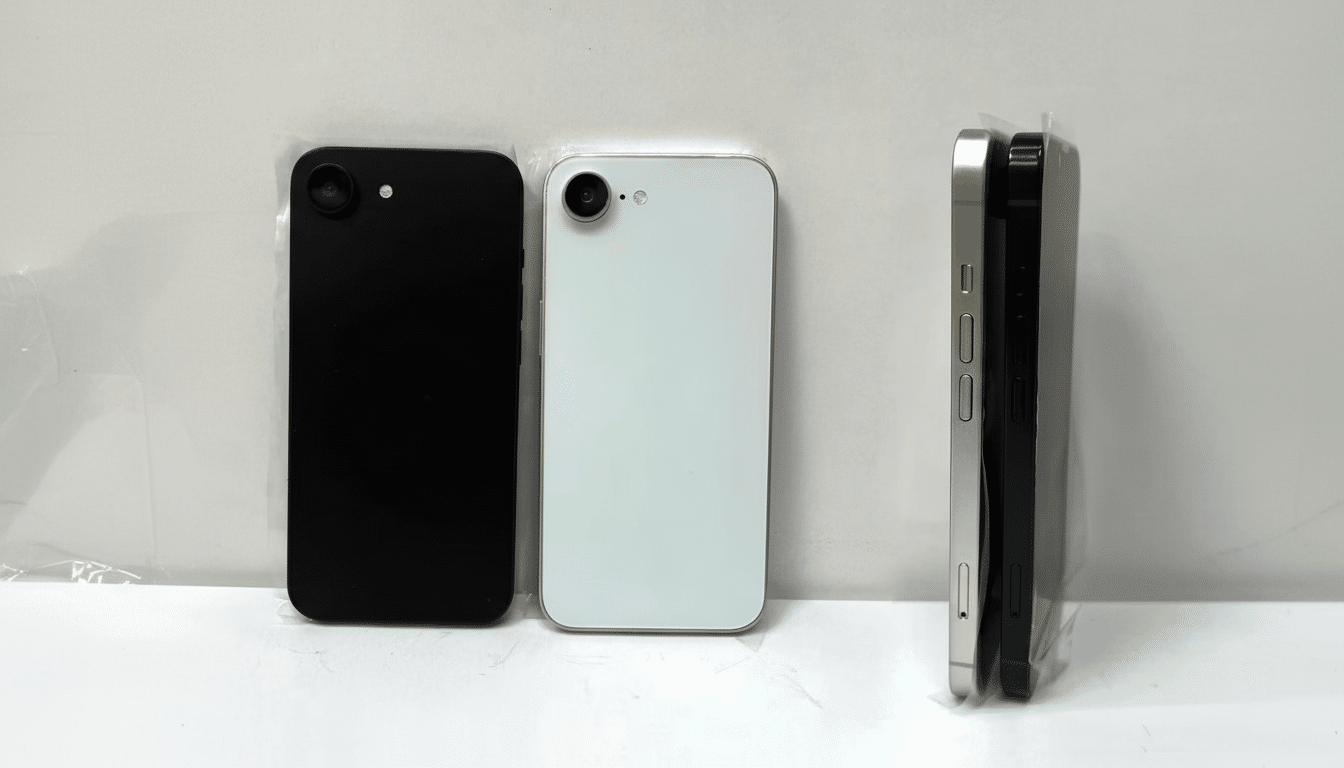
If that happens, a sensitive file is mirrored across the web at the speed of third‑party trackers — and is out of the FCC’s reach.
Why This Matters for Apple’s Secrecy and Security
Apple is known for guarding its supply chain and internal designs very closely. The company said it spent over $29 billion on research and development in its most recent fiscal year before the current cycle, as stated in its annual report — an investment that powers custom silicon, power efficiency, and RF sophistication. A detailed schematic cache can compress the amount of time that rivals would need to figure out Apple’s architecture and vendor mix, or to benchmark design choices for their own roadmaps.
There is another ecosystem effect: they keep their components and chips business discreet on awarded designs and reference designs because being public can create transparent discussions that can complicate negotiations and forecast future demand. From a security point of view, schematics aren’t instantly equivalent to exploitable bugs, but they do flatten out some of the uncertainty for attackers and can help in focused testing. Apple’s confidentiality letter to the regulator specifically reported those risks.
Will It Affect the iPhone 16e Release Timeline?
Unless the leak was caused by a publishing error and was not due to a compliance issue, authority timelines would not be derailed. Common follow-ons are an amended filing, substitute exhibits, and stricter confidentiality controls. Keep an eye out for modified entries in the FCC’s database, more letters to the file about permanent protection, or grants issued through a TCB with a different handling of exhibits.
As for the product itself, filing with “iPhone 16e” may denote the internal or regional version. Apple seldom comments on unreleased products or regulatory filings, and the company’s official stance on accidental disclosures is silence.
Regulators Are Leaking More Than Marketers Would Like
Global regulators often share unannounced devices — that’s China’s TENAA and Brazil’s Anatel leaking photos and specs before launches, for example, while Canada’s ISED or Europe’s EEC databases have both broken model numbers months in advance. It is the publication of full detailed schematic-level design that stands out as unusual; agencies typically withhold such information under trade-secret protection and Freedom of Information Act Exemption 4 in Washington.
What To Watch Next From the FCC and Apple
Industry onlookers are also going to be watching for an FCC record update, any kind of statement from the regulator that it changed its process, and if mirrored copies of the document pop up in teardown or security circles. If component references go public, be ready for some not-so-nonpartisan bill‑of‑materials analysis to start up from independent labs in short order — and for even deeper performance modeling soon enough as soon as retail units are available.
Containment will be the priority for Apple: putting a lid on the leak of sensitive design data and ensuring that all its upcoming filings get handled with the highest security protocols. For everyone else, however, this episode is an implicit reminder that regulatory transparency and corporate secrecy coexist on a knife edge — and that one misallocated checkbox can nudge it in the direction of farce.