


The United States has taken steps to limit new approvals of foreign-made drones, placing DJI and other large manufacturers on the Federal Communications Commission’s Covered List. The ruling applies to future equipment authorizations rather than current hardware, but effectively overhauls the nation’s drone market overnight. So what does the policy mean for owners, operators, and the companies that depend on small unmanned aircraft systems daily?
What the FCC Ban Really Does for Drone Approvals
FCC’s Covered List is a national security measure established by the Secure and Trusted Communications Networks Act, and it also was supplemented by the Secure Equipment Act. When a company’s products are added to the list, the FCC will not issue new equipment authorizations on such devices that emit radiofrequency radiation — a necessary regulatory hurdle for selling new models legally in the U.S. In other words, it slams the door on authorizing new or modified drones and certain components for listed entities.
- What the FCC Ban Really Does for Drone Approvals
- Can You Still Fly Your DJI Drone in the United States
- Public Safety and Industry Impacts of the FCC Decision
- Who Drone Buyers Might Turn To as Alternatives Emerge
- Key Regulatory Threads to Follow Across FCC and FAA
- What Owners and Operators Should Do Now to Prepare
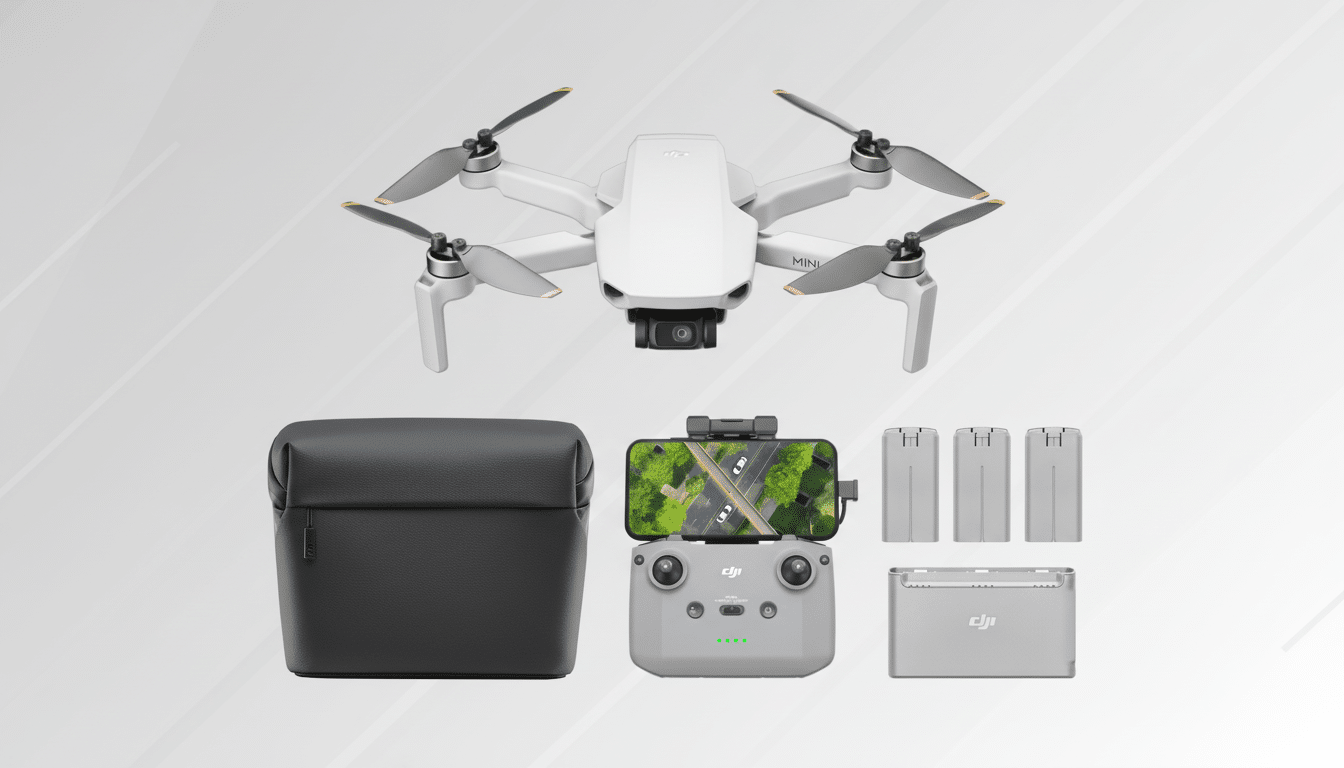
This is not, crucially, a total ban on ownership or operation. Drones that have been approved in the past keep their approval. Retailers can continue selling through existing authorized inventory, and users who already own models with FCC certification will still be able to fly them under FAA regulations.
Can You Still Fly Your DJI Drone in the United States
Yes, assuming it had previously been authorized and bought in the U.S. The FCC has stressed that current, approved drones are still legal to operate. That would affect popular DJI models that meet Remote ID and other FAA rules. You will still need to register, label, and fly under FAA Part 107 or recreational rules just as you did prior.
Expect two practical friction points. For one thing, swapping out some of that radio hardware in the future could prove complex if those parts are subject to new approval. Second, new models or significant hardware revisions of covered manufacturers are likely to lack U.S. clearances, which translates to fewer upgrade paths in the long run.
Public Safety and Industry Impacts of the FCC Decision
The change falls most heavily on industries that standardized around DJI for cost and capability. For years U.S. construction firms, utilities, and media production companies have relied on DJI’s camera and mapping ecosystem. Public safety departments picked them up for search and rescue and disaster response work because they were ready to fly out of the box and significantly less expensive than some American or European offerings.
Cost matters. Enterprise models on the Department of Defense’s Blue UAS list generally cost 2x to 4x what a comparable DJI system costs when you factor in the sensors, batteries, and software. That delta strains local budgets, slows refresh cycles, and can cut down on the number of aircraft an agency can field. Meanwhile, selected government users also already have separate procurement bans under NDAA Section 848 and state-level limitations that restrict DJI use irrespective of action by the FCC.
Scale matters too. The FAA registered well over 850,000 drones in the country and more than 300,000 certificated remote pilots as of September 2019, many of whom fly DJI drones. A shift away from platforms will ripple through training, maintenance, fleet management, and data workflows.
Who Drone Buyers Might Turn To as Alternatives Emerge
U.S. and allied producers are in a position to compete, but supplies will not arrive overnight. Skydio (which reoriented toward enterprise and public sector use), Teledyne FLIR, Inspired Flight, and even players like Freefly and Watts Innovations who produce for the event space are examples of American-made choices. Parrot has focused in Europe on enterprise solutions that include the security features government buyers require.

The opportunity is meaningful. As DJI’s future models await authorization, domestic vendors might compete successfully on secure supply chains, onshore data handling, closer integration with U.S. cyber standards. The limitation is price and maturity: There are many alternatives that still don’t have all of DJI’s camera ecosystems, accessories, and global support footprints — especially for smaller businesses who don’t want to risk a sub-$2,000 aircraft.
Key Regulatory Threads to Follow Across FCC and FAA
Watch first the FCC’s equipment authorization guidance, to distribute components like radio modules, telemetry links, and add-on transmitters from listed vendors faced with case-by-case decisions. Second, monitor FAA policy. Remote ID enforcement and expanded BVLOS rulemaking are on different tracks, affect all operators in their category regardless of manufacturer.
Third, track interagency alignment. The Department of Defense’s Blue UAS program, and the Department of Homeland Security’s procurement practices, may widen or narrow this practical impact based on how they address firmware updates, cybersecurity attestations, and secure data modes. Industry organizations like AUVSI and the Consumer Technology Association may push for clear timelines, pathways to transition.
What Owners and Operators Should Do Now to Prepare
Check your fleet inventory and match the FCC ID for each aircraft and controller. Make sure firmware is up to date, and ensure compliance with FAA rules via Remote ID modules or built-in broadcasting. For agencies and companies, start small vendor-diversification pilots now: Validate mission profiles (including total cost of ownership and training overhead) among at least two other vendors.
For smaller businesses I would be planning on both parts and batteries when they are still available, and accounting for the higher cost in a 12- to 24-month budget and replacement. If you’re relying on specialized payloads — thermal, multispectral, or LiDAR — map payload compatibility across non-DJI airframes before it’s time to make the transition.
For its part, DJI has indicated that it will continue to support existing customers and pursue paths to future product approvals. Whether those pathways open up will be determined by the FCC’s risk calculations and any additional assurances manufacturers can credibly provide on data, telemetry, and supply chain integrity.
The bottom line: Drones can continue flying, in a sense, but the center of gravity has shifted in America’s most lucrative drone market. Operators who take a forward-thinking approach will manage the transition with fewer surprises — and potentially more negotiating leverage, as new suppliers emerge.