


Jon Favreau used a Star Wars toy showcase to slip fresh hints about his upcoming feature The Mandalorian and Grogu, framing the film as both a continuation of the hit series and a love letter to the franchise’s toy legacy. The filmmaker emphasized that vintage designs and fan-favorite playsets will subtly inform what audiences see on screen, promising “deep cut” nods aimed at collectors and lifelong fans.
Rather than discussing plot beats, Favreau focused on how toys shaped his storytelling outlook and how that sensibility is carrying into the movie. He described the toys as an essential extension of Star Wars lore—where kids first learned to build new scenes, remix characters, and imagine what came next long after the credits rolled.
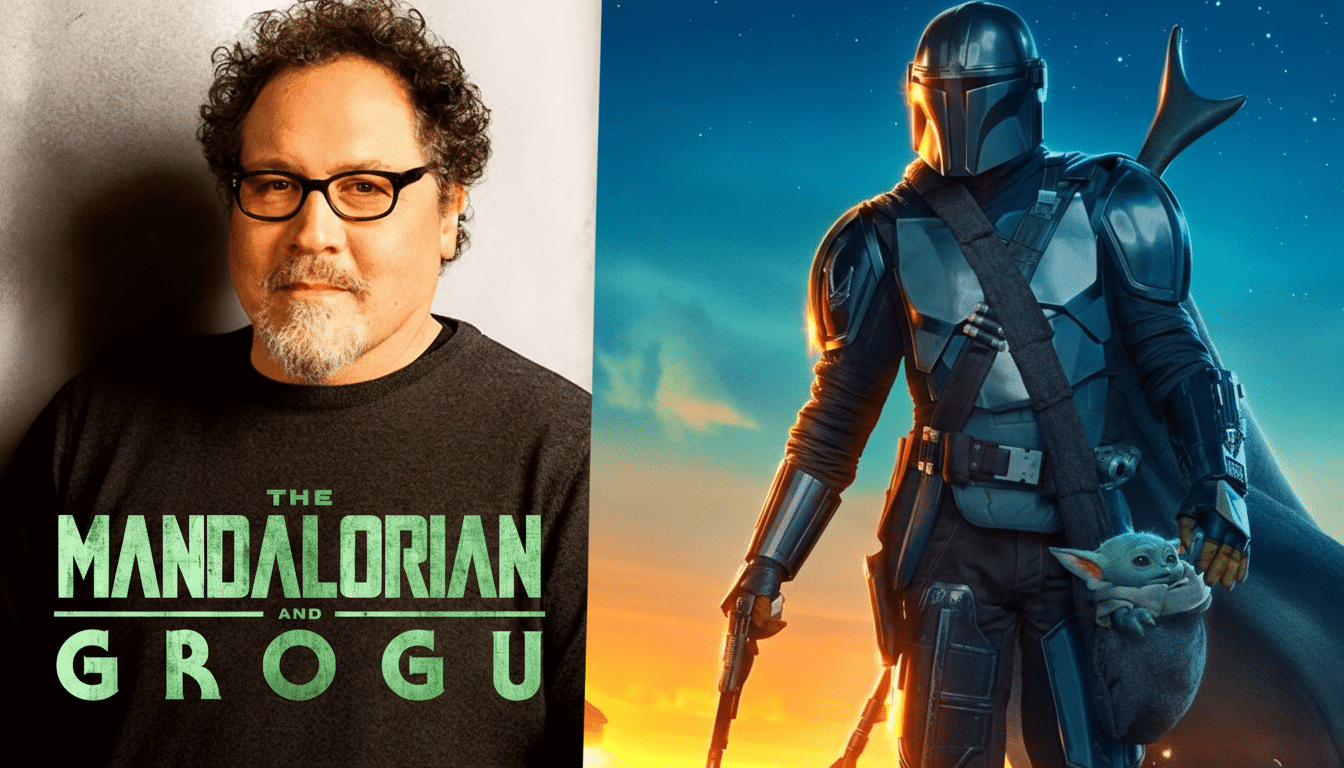
How Classic Toys Shape Canon and Drive Film Creativity
Favreau said the production is deliberately weaving in elements inspired by classic toys that never had their day on screen. He credited Lucasfilm’s design chief Doug Chiang and the art department with translating those ideas into practical builds and visual effects, a process that mirrors what The Mandalorian series did across its run.
That ethos—treating the toy shelf as a sketchbook—has precedent. The series previously elevated a late-1970s Kenner vehicle, the Imperial Troop Transport, from a quirky accessory to an in-world transport used by Imperial forces. Expect similar reverence in the film: designs that began as play patterns are being refined with the same industrial detail and weathered authenticity that define modern Star Wars production design.
It’s also a practical match for the franchise’s toolset. With Industrial Light & Magic’s StageCraft and traditional modelmaking working in tandem, production can iterate quickly, testing silhouettes and scale the way a kid might on a living room floor—only with photoreal materials, cinematic lighting, and a bigger canvas.
Deep Cuts From Kenner Toys Brought To The Big Screen
Star Wars has long blurred the line between screen and shelf. Kenner’s famed Early Bird Certificate Package in 1977 essentially invented the modern movie merchandising playbook, and decades of figures, vehicles, and playsets followed. Some of those toys were pure imagination—gaps filled between scenes fans knew by heart. Favreau suggested the new film will mine that history again, surfacing designs that once existed only as plastic and cardback art and reinterpreting them with canonical purpose.
For longtime collectors, this approach lands as recognition. It invites the fan who remembers kitbashing speeder parts or staging dogfights on a coffee table to spot the lineage in a cockpit panel or hull contour. For newer audiences, those flourishes simply read as richly textured world-building—Star Wars at its tactile best.
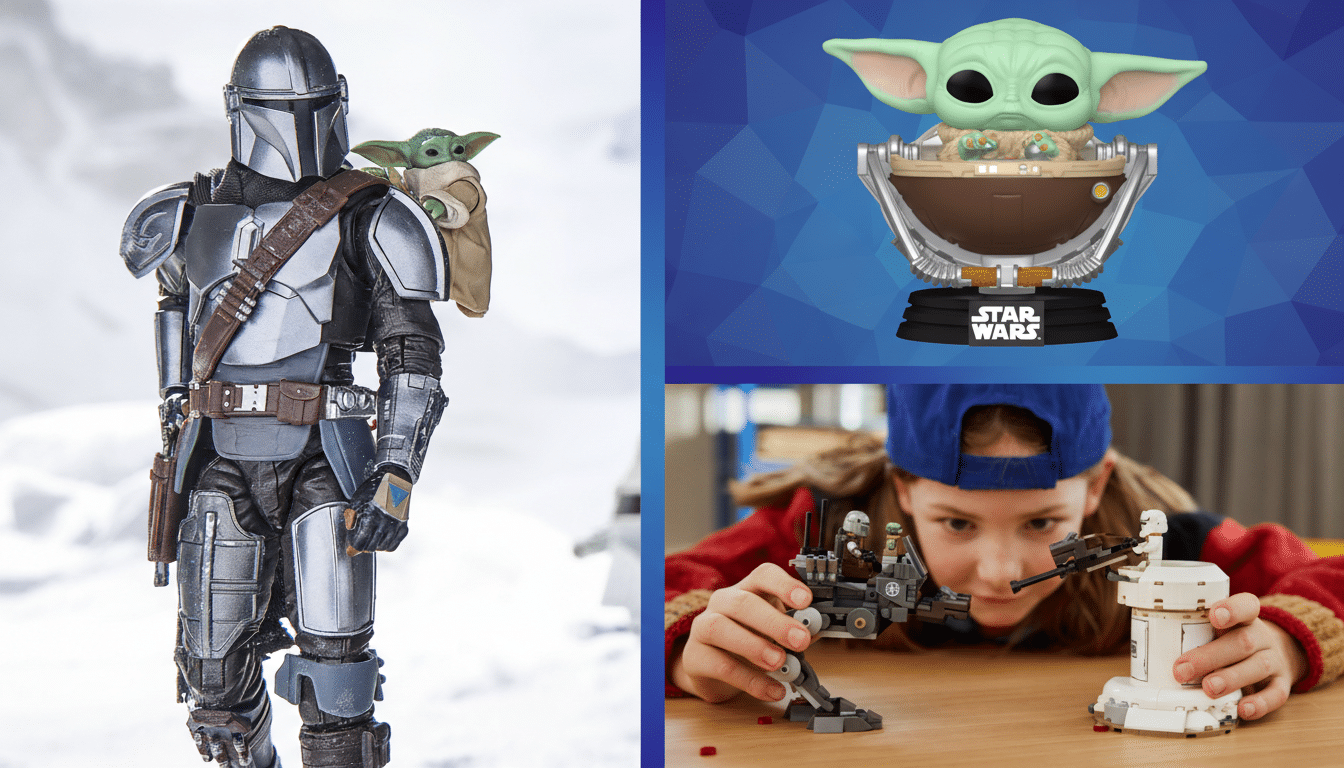
Merchandise Momentum And Fan Demand For Star Wars
The strategy is more than sentiment. Research firm Circana has consistently noted that licensed entertainment drives a sizable share of toy spending, with major content beats translating into surges across action figures, role-play, and plush. Grogu, in particular, became a cultural phenomenon that vaulted Star Wars back to the front of the toy aisle, according to retail trackers and industry trade coverage.
Hasbro, the master toy partner for Star Wars, has leaned into that demand with Black Series and Vintage Collection figures that mirror screen accuracy down to weathering and soft goods, and with kid-forward role-play items that echo the show’s propmaking. The Toy Association’s industry awards over the past few years have regularly spotlighted Star Wars products tied to The Mandalorian, underscoring the franchise’s cross-generational pull.
Favreau’s comments suggest the film will keep that flywheel spinning by building props and vehicles that are not just cinematic, but also “toyetic”—instantly readable silhouettes, modular features, and action-forward functionality that translate cleanly from set to shelf.
What To Expect From The Film’s Aesthetic
Don’t look for overt spoilers from Favreau; instead, read the creative tea leaves. He’s signaling a continuation of the lone-gunslinger-meets-found-family dynamic that powered The Mandalorian, scaled to feature-film scope and anchored by designs steeped in Star Wars’ practical, handmade DNA. The promise of toy-inspired deep cuts hints at new vehicles, troop carriers, or gear that will feel instantly “classic” even on first viewing.
For fans, that means two parallel reveals in the months ahead: what Lucasfilm shows on the big screen and what the toy aisles quietly preview. If the series’ track record is any guide, those details will sync—turning childhood play patterns into cinematic moments and, in turn, inspiring a new round of play. In Favreau’s telling, that loop is the point: toys don’t just reflect Star Wars; they help write it.