


Fallout is back with a nod to its most cherished wasteland, plopping Marty Robbins’ “Big Iron” into the Season 2 opener and alerting New Vegas devotees off the bat. It’s a deft creative choice that reminds viewers of the series’ continued fidelity to the franchise’s musical DNA: dingy scavenging and gallows humor scored with midcentury classics.
Why Marty Robbins’ Big Iron Still Matters to New Vegas
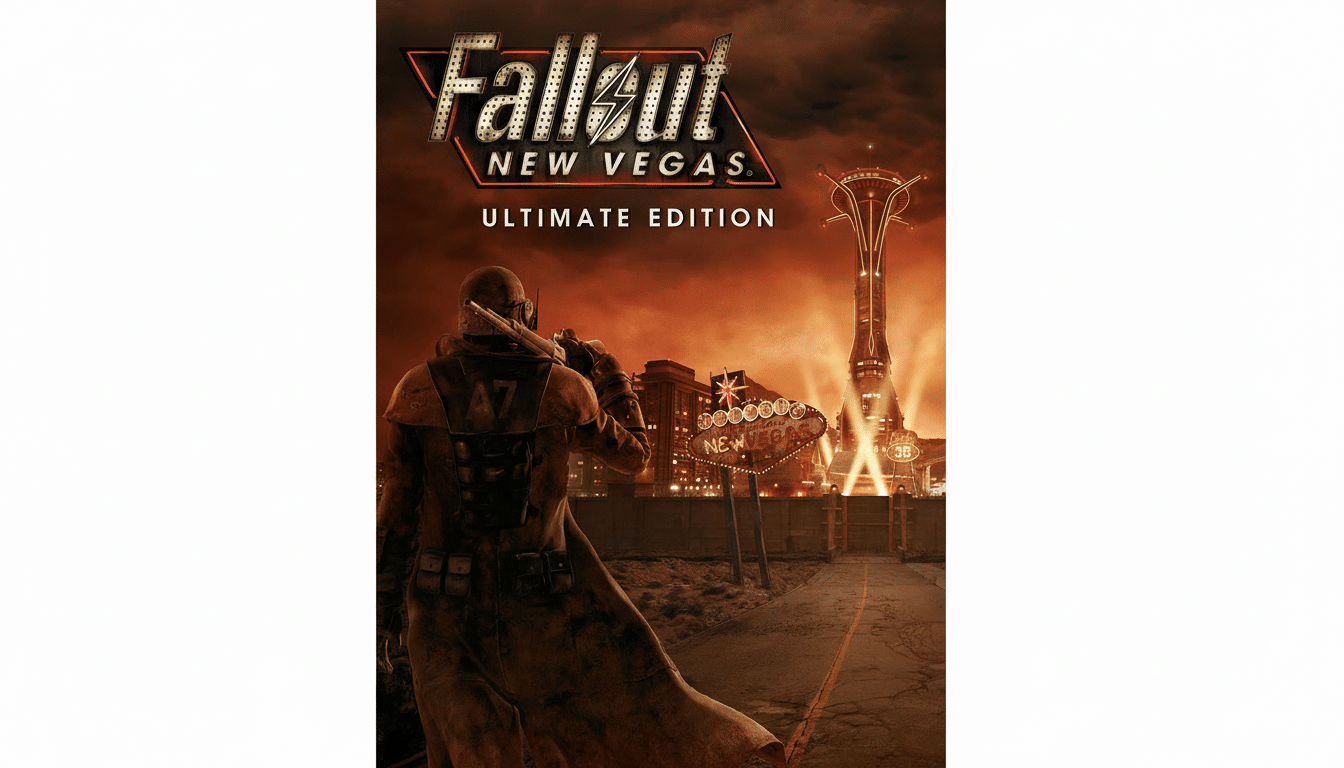
Originally released in 1959 on Robbins’ Gunfighter Ballads and Trail Songs, “Big Iron” received a second wind thanks to Fallout: New Vegas. In-game, the song swirled off of Radio New Vegas and Mojave Music Radio stations, where smooth-tongued Mr. New Vegas — voiced by Wayne Newton — made depressing jaunts through the desert seem almost romantic. The song soon became a kind of shorthand for the Mojave experience: the plaintive ballad of a lone ranger on the trail of an outlaw — one that could be mapped directly onto your own dusty, danger-filled wanderings.
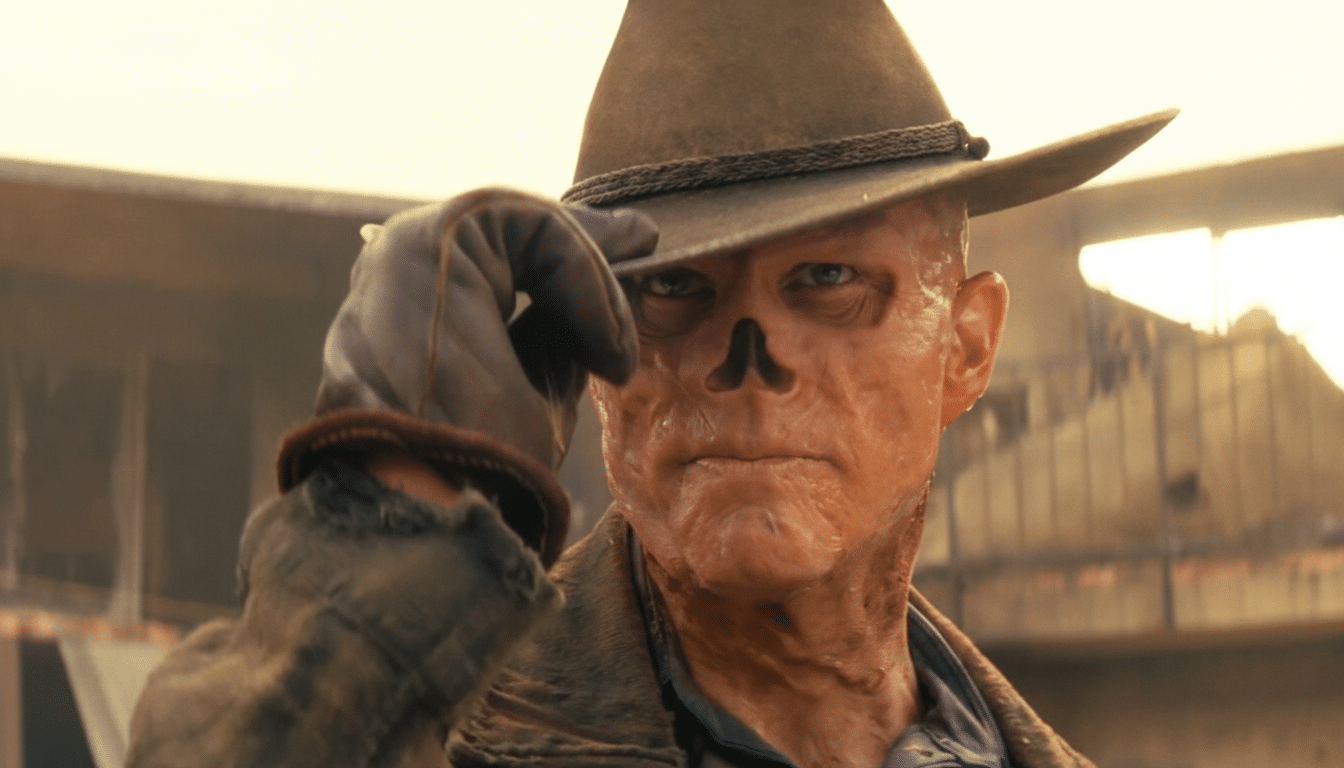
In selecting “Big Iron” for the Season 2 premiere episode, the show doubles down on that cultural memory. It’s a lot more than just fan service — it’s a storytelling tell, connecting the series’ narrative lineage back to the tonal language that steered one of the franchise’s most beloved installments by Obsidian Entertainment.
A Clever Needle Drop In A High-Stakes Escape
It puts Lucy and Cooper in dangerous straits right away, all tangled up with the Great Khans — the raider faction whose story is deeply tied into New Vegas lore. “Get out of that idiot robot suit!” Then they visit the Dino Dee-lite Motel, with its giant roadside T-rex: a familiar Mojave landmark for game vets. As the two men fight to make their escape, “Big Iron” stands as shotgun rider, mingling terse, matter-of-fact violence with a lilt of a Western tale about justice meted out at the end of a pistol.
And that juxtaposition has always been the secret sauce of Fallout. Music supervisor Trygge Toven upholds the practice, employing a bright, nostalgic track to heighten the episode’s grit instead of softening it. It’s the same emotional sleight of hand that made the game’s radio stations feel like they were a matter of survival — violence is endurable because the soundtrack refuses to give up its swing.
Deep-cut New Vegas nods that reward longtime fans
The Great Khans and the Dino Dee-lite Motel aren’t just window dressing — they’re signs that showrunners get how New Vegas wove character, geography, and music into a single vibe. A lot is left for the premiere to add, including:
- Peggy Lee’s “Cheek to Cheek”
- The Del-Vikings’ “Come Go With Me”
- The Ink Spots’ “It’s All Over but the Crying”
- Roy Orbison’s “Working for the Man”
Each pick serves a purpose. Orbison’s blue-collar cadence evokes a life trapped in drudgery and aspiration; the melancholy of The Ink Spots lingers with the hint of loss. The curation mirrors the franchise’s synonymous (and schismatic) tendency to pair cheerful, pining lyrics with bleak scenarios, nudging viewers into feeling both irony and empathy at once.
Soundtrack strategy and its impact on audiences
There’s also a practical calculus to such placements. High-profile syncs rejuvenate old catalog recordings, and industry trackers like Luminate have long recorded how a single marquee placement can send streams of decades-old songs to thousands or even millions. The first season of Fallout was walking evidence of the pull of its world-building and unique (in that it is very much a video game) music mix: Nielsen reported that the series led the U.S. streaming charts for home hits, with billions of viewing minutes, an early sign that its particular aesthetic had resonated with a mix of longtime fans and newbies.
The franchise’s gravitational pull is felt offscreen as well. Fallout 4 saw a spike of over 100,000 concurrent players on SteamDB following the show as it became evident that when things happen onscreen, they reignite across the wider ecosystem. And a needle drop like “Big Iron” is not just fun; it jolts a player base that’s already panting to get back out in the Mojave, headphones on and radio cranked up to an old favorite station.
A promise in the shape of a ballad for Season 2
The choice to open Season 2 with “Big Iron” is more than a wink; it’s a promise that Fallout will continue to mine the rich vein where pulp-Western mythmaking rubs shoulders with post-nuclear satire. The song’s lawman-versus-outlaw storyline mirrors the show’s moral ambiguities, and its gently swaying swagger imbues the chaos with operatic grandeur rather than nihilism. If this premiere is any indication, the soundtrack promises to keep functioning as both compass and commentary — an essential part of the Wasteland’s soul.