


ExpressVPN has introduced a slate of digital privacy features designed to extend protection beyond its core virtual private network, adding email masking, an encrypted AI assistant, a standalone password manager, and identity monitoring for subscribers. Most arrive at no additional cost across the service’s Basic, Advanced, and Pro tiers, with two features available immediately and the rest rolling out in stages.
What’s New In The Expanded ExpressVPN Privacy Suite
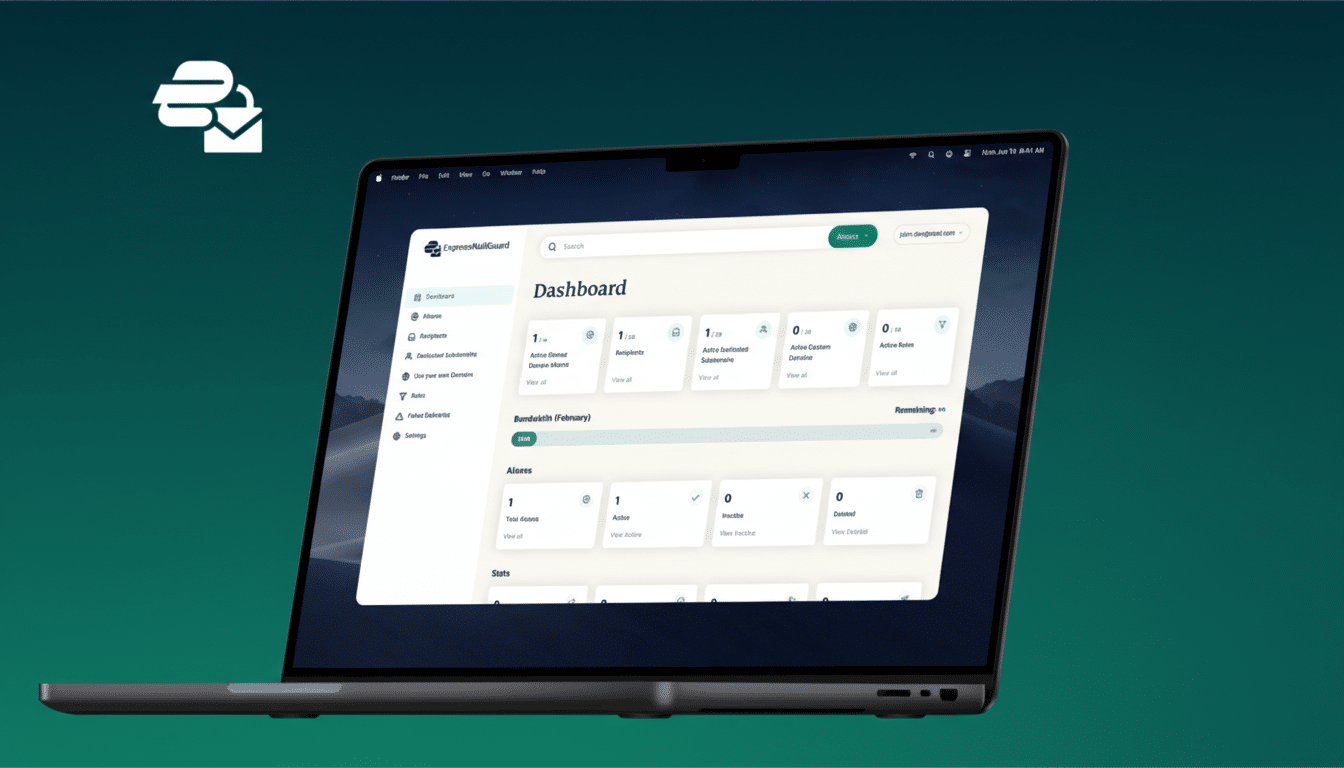
The headline addition is ExpressMailGuard, an email-alias tool that lets users generate disposable addresses for sign-ups, newsletters, and app registrations. If a sender starts spamming, you disable the alias without exposing your real inbox. The company says it works with any email provider and device, a practical twist on the “VPN for email” idea that seeks to limit breach exposure and tame inbox overload.
Another notable launch is ExpressAI, a consumer AI platform built on confidential computing. In plain terms, prompts, files, and conversations are encrypted in a way that keeps them opaque not only to ExpressVPN but also to the model providers running the workloads. The company emphasizes that models are not trained on user data. Subscribers can select from up to five different models—GPTOSS 20B, DeepSeek R1 Distill, Qwen2-VL 2B, Qwen3 32B, and Nvidia Nemotron—and even compare outputs by sending the same prompt to multiple models at once.
These moves echo a broader industry shift toward integrated privacy ecosystems. Email masking mirrors utilities like Apple’s Hide My Email, Firefox Relay, and DuckDuckGo Email Protection, while encrypted AI follows early experiments such as Proton’s Lumo. ExpressVPN’s angle is to bundle these into its subscription and lean on confidential-computing hardware often associated with enterprise-grade protections.
Passwords And Identity Protections Get A Lift
ExpressKeys, formerly the built-in “Keys,” breaks out into a dedicated iOS and Android app for password generation, strength checks, and secure storage of logins, payment cards, and notes. It supports autofill, offline access, two-factor authentication codes, and encrypted sync across devices. Making it a standalone app should allow faster updates and a clearer, focused interface than a VPN-tabbed add-on.
Rounding out the suite is Identity Defender, which packages dark web monitoring, automatic data broker removals, a credit scanner, change-of-address alerts, and identity theft insurance up to $1 million. That last perk puts it in the same conversation as identity protection plans from established security firms and privacy services that specialize in data removal.
Plan Tiers And Availability Across Subscriptions
Access varies by plan. ExpressMailGuard is included across Basic, Advanced, and Pro with tier-based limits. ExpressAI is slated to reach all tiers. ExpressKeys is available to Advanced and Pro subscribers, while Identity Defender is reserved for those same higher tiers. The additions do not change the underlying VPN performance; instead, they broaden the subscription’s value by protecting more of a user’s daily digital footprint.

New and existing customers can start using ExpressMailGuard and the standalone ExpressKeys app right away where available, with ExpressAI and Identity Defender following in a phased rollout. Existing Keys users can migrate seamlessly, and imports from other password managers are supported.
Why This Privacy Expansion Matters For Users Today
Email remains a favored gateway for attackers, and aliases are a practical response: they minimize the blast radius of spam and breaches and make it easier to revoke risky exposure. Verizon’s Data Breach Investigations Report has repeatedly identified credential compromise as a major driver of incidents, while IBM’s Cost of a Data Breach study has pegged the global average cost in the multimillion-dollar range—about $4.5 million in recent findings. The U.S. Federal Trade Commission continues to log well over a million identity theft reports annually. In that context, putting password hygiene, aliasing, AI privacy, and identity safeguards under one roof is a logical escalation.
The encrypted AI component is especially timely. Generative tools are now woven into everyday workflows, but many organizations avoid them for fear of data leakage. Confidential computing can reduce that risk by shielding prompts and outputs in use, not just at rest or in transit. If executed well—and transparently audited—ExpressAI could give privacy-conscious users access to modern models without feeling like they’re feeding a data flywheel.
Early Takeaways From ExpressVPN’s New Privacy Suite
For subscribers, the suite lowers friction: one account, one bill, multiple protections. It also raises practical questions. Email aliases can complicate account recovery if not managed carefully. Identity monitoring is only as strong as the breadth and freshness of its data sources. And with AI, security claims should be matched by clear documentation on isolation, key management, and model provider responsibilities.
Still, the direction is clear. As rivals like Proton and Nord build out password managers, encrypted storage, and data-removal services, ExpressVPN is widening its remit from secure tunnels to a fuller privacy stack. For users who already rely on a VPN, that consolidation could reduce subscription sprawl—while making privacy the default, not an afterthought.