


Walk the aisles at Europe’s largest startup get-togethers and it feels as though the boom is already back. Look at the numbers and the case is more restrained. The area’s power is back on; its data lags behind.
The Vibe and the Numbers Are Not Aligning
PitchBook estimates suggest that €43.7 billion has been invested across 7,743 deals in European startups through the third quarter and pace the year to roughly match €62.1 billion committed last year, or even more than €62.3 billion doled out in 2020.
- The Vibe and the Numbers Are Not Aligning
- The Real Bottleneck for Europe Is Venture Fundraising
- U.S. Capital Tiptoes Back Into European Startups
- Artificial Intelligence Is Europe’s Confidence Engine
- Startup Exit Pathways in Europe Are Beginning to Unstick
- What European Founders and Investors Should Do Next
- The Bottom Line for Europe’s Startup Momentum Today

That is stabilization, not resurgence. In contrast, U.S. venture activity had already exceeded the previous three years by the end of the third quarter.
And the headline totals hide a shape-shift, as well. Like the U.S., mega-rounds are slimming down, late-stage valuations are still reformulating, and deployment has moved back earlier, where Europe tends to shine. What we have is a market that feels busy but still doesn’t include the amount of growth-stage firepower it takes to push those annual tallies clearly higher.
The Real Bottleneck for Europe Is Venture Fundraising
If deal flow is leveling off, venture managers’ fundraising isn’t. European VC firms had only raised €8.3 billion through the third quarter, according to PitchBook, which is on course for the weakest haul in a decade. Denominator impact on institutional portfolios, slower distributions, and higher-for-longer rates all have been limiting commitments.
This is significant because fund formation typically lags deployment by at least two or three quarters. Even with sentiment improving a little, fewer and smaller funds today equal a thinner pipeline of capital tomorrow. “There is simply no substituting for private capital in growth stages,” the EIC wrote in a news release, arguing that limited partners such as the European Investment Fund and national development banks remained important anchors, yet they were not able to offer “countercyclical support” at this stage.
U.S. Capital Tiptoes Back Into European Startups
One early positive is the return of cross-Atlantic appetite. U.S. investors took part in just 19% of European rounds in 2023, according to market trackers, but have been heading back up as prices of entry look more attractive than those in overheated U.S. categories like AI and software.
Recent examples underscore the trend. Swedish startup Lovable, for instance, just closed a $330 million Series B with several U.S. names at the table, including Salesforce Ventures, CapitalG, and Menlo Ventures. The Seine-et-Marne-based AI lab Mistral closed a €1.7 billion Series C led and joined by big names in global tech, including Andreessen Horowitz, Nvidia, and Lightspeed. The message: when the technology is unique and the price makes sense, capital flows across borders fast.
Artificial Intelligence Is Europe’s Confidence Engine
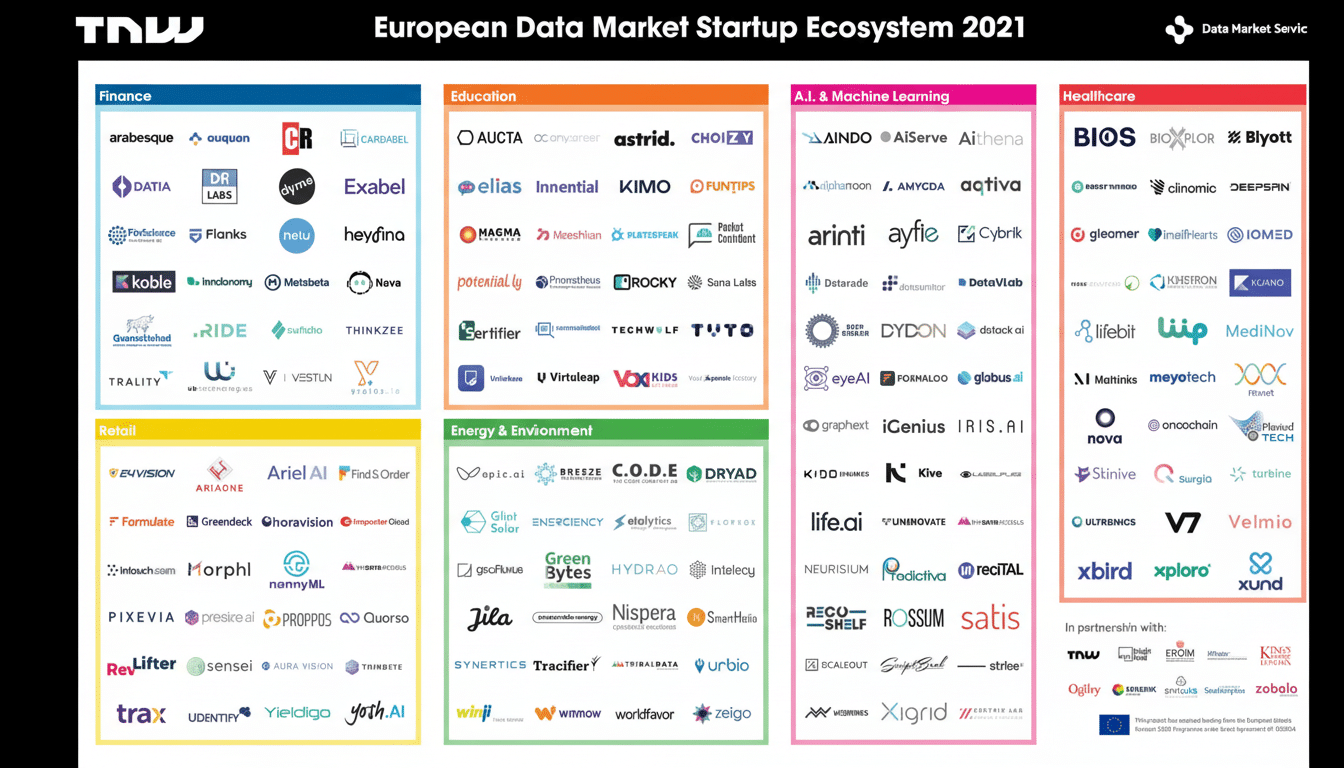
AI is the most obvious arena in which energy merges with matter. Europe’s deep research base and open-source cultures are generating companies of global relevance, Mistral being the poster child. AI has now been singled out by Atomico’s State of European Tech as the biggest single category by funding share, despite still relatively low overall volumes.
Lower relative valuations help, but so does the talent pipeline: elite labs, multilingual data sets, and a robust robotics and industrial base. Corporate venture units and sector specialists are leaning in, a trend that could counter the shortage of late-stage generalist funds if it endures.
Startup Exit Pathways in Europe Are Beginning to Unstick
The most tangible indication of a change comes in liquidity. Klarna’s public listing, which followed raising $6.2 billion in private money, recycled cash and confidence back to European LPs. It also served as a reminder to founders that building to durable public-company standards wasn’t just the provenance of Silicon Valley.
There will be a combination of things when the window reopens:
- Selective IPOs in Europe and the U.S.
- Strategic M&A from American and Asian buyers.
- More structured secondaries to give interim liquidity.
Continuation funds and GP-led transactions, long niche in venture, are becoming viable options to help close the exit gap and spin up the distribution flywheel again.
What European Founders and Investors Should Do Next
Three levers are there to help the data fit the buzz.
- First, fund formation needs to rebound (especially for the growth-stage vehicles that write the €50 million to €150 million checks). Absent them, promising teams run into what they call a financing cliff or sell early.
- Second, exit pathways need consistency. A small number of marquee listings and high-multiple acquisitions can reset LP expectations—and see fresh commitments unleashed. Policy support matters. Policymakers can also make a difference by increasing the competitiveness of listings and by lowering friction for cross-border M&A.
- Third, maintain AI as a compounding advantage. The availability of compute, inducements for industry–academia collaboration, and a sane set of rules around data and model liability will determine whether Europe converts its research lead into scaled platforms more than early exits.
The Bottom Line for Europe’s Startup Momentum Today
Europe’s startup scene seems hot because, in certain pockets, it is. The plateau in headline funding obscures momentum around artificial intelligence, a thaw in cross-border participation, and the first meaningful exits for years. But until fundraising looks healthier and the growth-stage chasm closes, the area’s energy will continue to outstrip its spreadsheets. You can see the turn; it’s not over yet.