


Curious about Ethereum but unsure where to begin? The terminology can make a first transaction seem more complicated than it really is. Wallets, network fees, and confirmations each play a different role, and understanding them can help you avoid common mistakes. This guide explains the basics in straightforward terms, from choosing a way to access Ethereum to checking that a transfer has been completed. It is intended as a starting point rather than financial advice, so take your time, compare providers, and never send funds until you understand the process.
Why Ethereum Has Gained Renewed Attention
Ethereum is one of the most widely recognized digital assets, alongside Bitcoin. As of September 29, 2026, one ETH was trading at approximately $2,735 USD, although the live market price can change from minute to minute. Its network is also used for applications, digital collectibles, and other blockchain-based services. This broader use has kept Ethereum in the public conversation and attracted interest from both individuals and larger financial organizations. However, popularity does not remove risk. Prices can change quickly, transactions generally cannot be reversed, and different services may charge different fees. Beginners should therefore focus first on understanding how the network works rather than rushing to make a purchase.
Understanding Ethereum Wallets
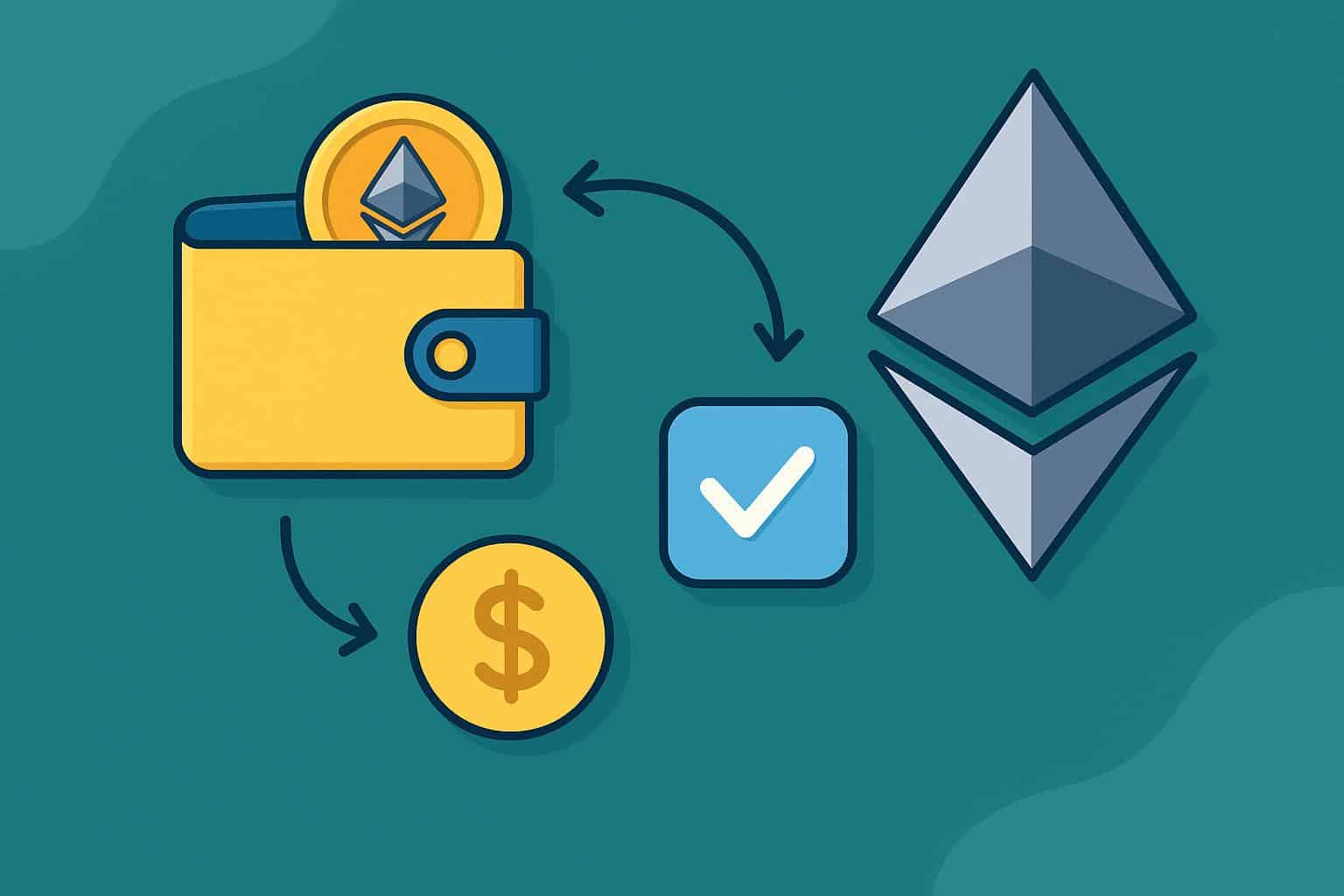
Ethereum wallets help users receive, manage, and send Ethereum. A wallet does not hold cryptocurrency in the same way a physical wallet holds cash. Instead, it provides the tools needed to interact with assets recorded on the blockchain. Some wallets are managed through an online service, while others give the user direct control of the private keys. That distinction matters: if you control the keys, you are also responsible for protecting them. A recovery phrase should be stored privately and offline, never shared by email or message, and never entered on an unfamiliar website. Before sending a larger amount, many beginners make a small test transaction and confirm that the destination address is correct.
Different Ways to Access Ethereum
There are several ways to access Ethereum, including online exchanges, financial platforms, and physical cryptocurrency kiosks. Each option has its own identity checks, payment methods, limits, and charges. You can search for a Bitcoin ATM nearby if you prefer an in-person option, but check beforehand whether the machine supports Ethereum and what information it requires. It is also worth reviewing the full transaction cost, not just the advertised purchase price. Whichever route you choose, use a reputable provider, enable available security features, and confirm that the receiving wallet supports Ethereum on the correct network.
Understanding Fees & Network Activity
Ethereum transactions involve network fees, commonly called gas fees. These fees compensate the network for processing a transfer or carrying out another operation. The amount is not fixed. It can rise when many people are using the network and fall during quieter periods. A simple transfer may also cost less than a more complicated interaction with a blockchain application. Most wallets show an estimated fee before you approve a transaction. Review that estimate carefully, along with the amount being sent and the destination address. Trying again during a less busy period may reduce the cost, but setting a fee too low can delay processing.
What Confirmations Mean
After a transaction is submitted, it is broadcast to the network and waits to be included in a block. The first confirmation means it has been recorded in a block; additional confirmations are added as more blocks follow. Some wallets or services may show a transaction as pending until they receive the number of confirmations they require. Processing time can vary with network activity and the fee selected. Instead of relying only on a screenshot or message, check the transaction status in your wallet or through a reputable blockchain explorer. Match the destination address, amount, and transaction identifier before treating the transfer as complete.
Getting started with Ethereum is easier when you slow the process down. Understand who controls the wallet, protect private information, compare the total costs, and double-check the network and receiving address. A small test transfer can provide extra reassurance before moving a larger amount. Ethereum may be widely known, but every transaction still deserves careful attention. With a basic understanding of wallets, gas fees, and confirmations, beginners can approach their first transfer more confidently and make informed decisions at each step.