


A well-designed outdoor space can completely transform the way a home feels and how people experience it. This area around the house can also have numerous uses. It can serve as a space to relax, share moments with family, socialize with friends, or enjoy nature. Such a space becomes an extension of the house itself when designed properly.
To establish an environment of this nature requires more than merely planting flowers and placing furniture in the space. This is where custom residential landscape design comes in, providing a thoughtful approach that blends beauty with function.
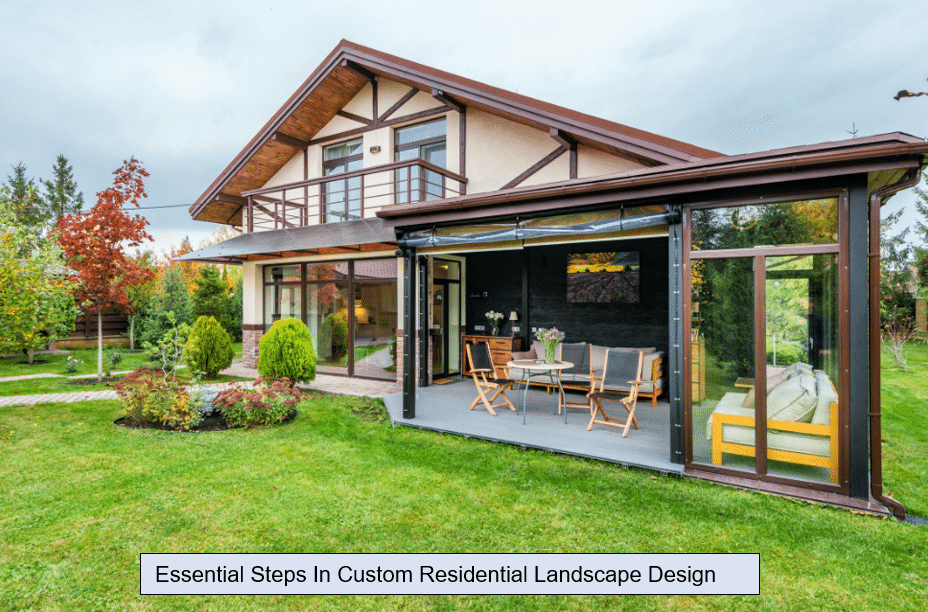
Custom residential landscape design strikes a balance between aesthetics and function. It takes into consideration how the space is utilized, its visual appearance throughout the year, and how it will be maintained to remain healthy and inviting.
Every element, from pathways and plants to seating areas and lighting, contributes to an outdoor area that is practical, attractive, and welcoming. This article outlines the essential steps in designing a custom residential landscape.
1. Understanding the Home and the People Who Live There
Every amazing residential landscape begins with a thorough understanding of the site. The landscape designer starts by analyzing the residential property itself. The look and size of the home dictate residential landscape features.
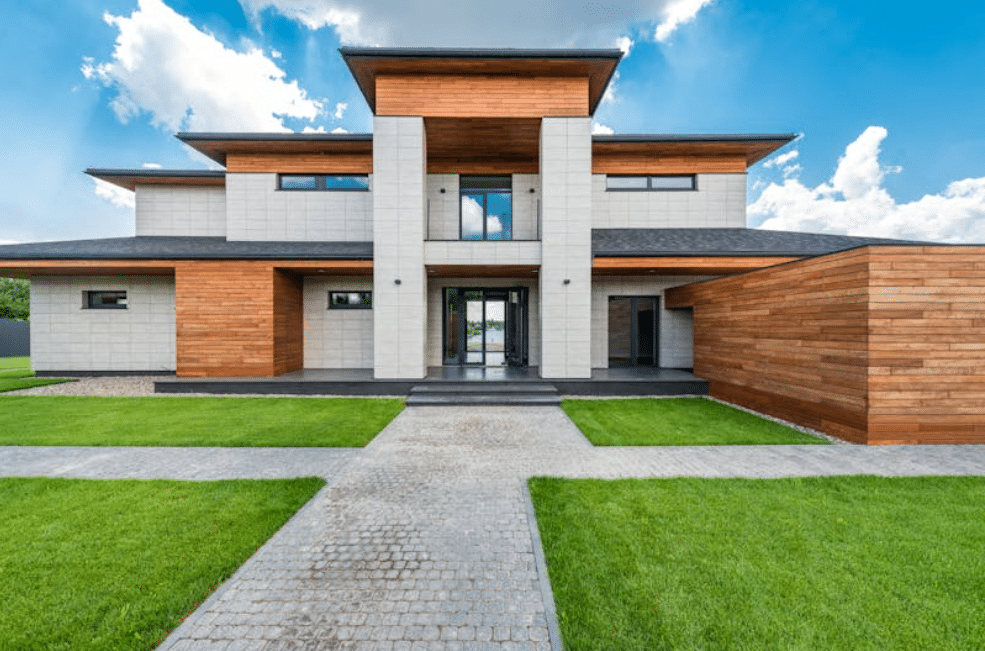
A contemporary home requires clean lines and simple plants. A traditional home requires soft lines and multiple gardens. Great residential landscape design ensures a landscape that complements the home naturally, rather than being apart from it.
Just as important as the architecture and design of a home is the people who inhabit it. A custom design takes into consideration how they live and what they like. Perhaps there needs to be open areas for children and pets to play.
Some may like a quiet area for reading or meditation. Others may prefer areas to host guests, while others may appreciate a maintenance-free garden that always looks good.
Climate and geographical location play a crucial role from the outset. In many areas, factors such as weather patterns, soil type, and water availability become especially important when planning an outdoor space. A good designer will examine the land, observe light and shade patterns, and know the drainage of this land.
2. Creating a Clear and Thoughtful Design Plan
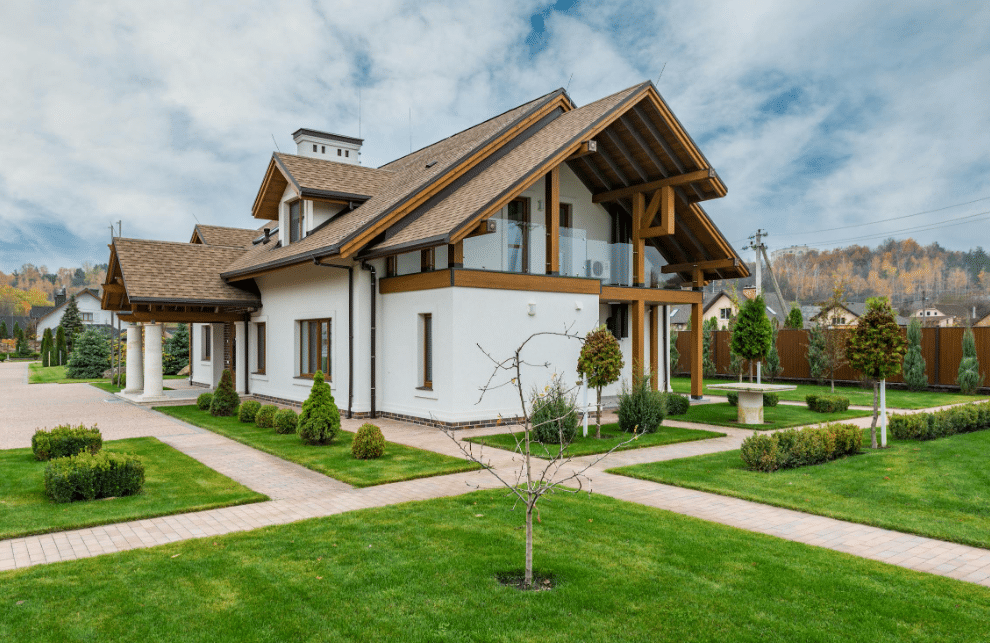
After analyzing the area’s needs and conducting an assessment of the given space, the next step involves developing a design plan. The plan will serve as a guide to determine where plants, pathways, and patios will be located and how these spaces will connect. Having a plan ensures that movement around the yard is smooth and continuous, without any part appearing out of place.
Also, balance and movement are the heart of every successful design. Open areas and planted sections should transition naturally, guiding walking routes without confusion. The view from within the home is also important; a window looking out onto a yard should feel inviting, calm, and well-composed.
Remember, seasonal changes also play a significant role. Trees, shrubs, and flowers must be appealing in all seasons. Even when winter comes, the landscape should be interesting through its structure, texture, and layout. By planning for all seasons, the yard maintains beauty and usability year-round.
3. Choosing Plants That Fit the Space and Climate
The base of every residential landscape lies in plants. The plants selected help determine what the landscape looks and feels like. A customized landscape involves planning to select plants that are suited to the property.
Remember to consider the local climate when selecting species for your garden. In arid regions, for example, planners select water-conscious plants that are naturally suitable for the environment. Such plants require minimal watering and care, are more resilient to temperature fluctuations, serve as a food source for local fauna, and remain healthy over extended periods.
Designers also consider the size and growth. One small tree now may be big in the next ten years. It is essential to select plants that you will need in the future to prevent overcrowding the space.
4. Adding Functional Features That Support Daily Life
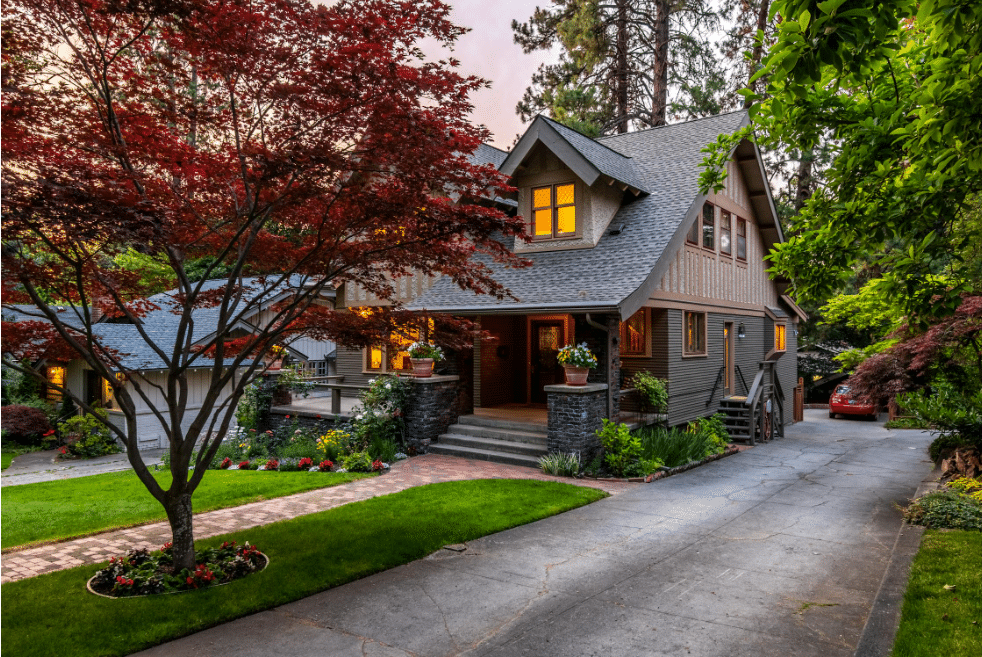
A residential landscape can be visually stunning. However, certain features in the landscape will help make the land functional. Such features include the patio, walkway, seating area, water feature, and lighting.
Patios and walkways shape your yard and direct foot traffic. They can link your residence and garden together. On the other hand, seating areas make a pleasant environment for spending time outdoors.
A small and quiet bench may establish a calm setting, but a larger area, such as a patio, may accommodate more gatherings, including dinners with family or receptions with cocktails. Moreover, incorporating water features into the seating area would help establish a calm setting and thereby enhance the calming effect created by the patio.
5. Building With Quality Craftsmanship and Care
Design plans require expert installation to come to life. The best way to ensure that the outdoors is both attractive and long-lasting is through quality craftsmanship. The elements involved in this process include proper planting, soil, and hardscape.
Attention to detail is crucial in this case. This is especially so when dealing with plants. They require specific spacing, as well as sufficient depth, to grow well. Walkways and patios require solid foundations to prevent shifting. This is particularly true in areas where rainfall is torrential.
Final Thought
The process of custom residential landscape design incorporates art, planning, and care in a thoughtfully considered process that develops one step at a time into a space that feels personal and lasting.
By understanding the home and its occupants, and making informed selections of plant and feature types, each decision will be perceived as contributing to the final result.
Working with seasoned professionals helps turn outdoor dreams into real spaces that thrive in every season.