


xAI’s sprawling Colossus data center in Memphis faces fresh regulatory uncertainty after the Environmental Protection Agency clarified that methane-fueled turbines used to power large facilities require air permits even when deployed as “temporary” or portable units. The move appears to close a widely used loophole and places the site—built to support massive AI training loads—under intensified legal and community scrutiny.
What Changed in EPA Guidance for Gas Turbines
The EPA’s updated guidance makes explicit that gas turbines supplying steady power to a fixed facility cannot avoid air permits by cycling units or relocating them within a year. That practice has been common in industrial operations that treated trailer-mounted turbines as transient equipment rather than stationary sources subject to Clean Air Act permitting. The clarification effectively aligns the letter of the law with how regulators have long said it should be applied.
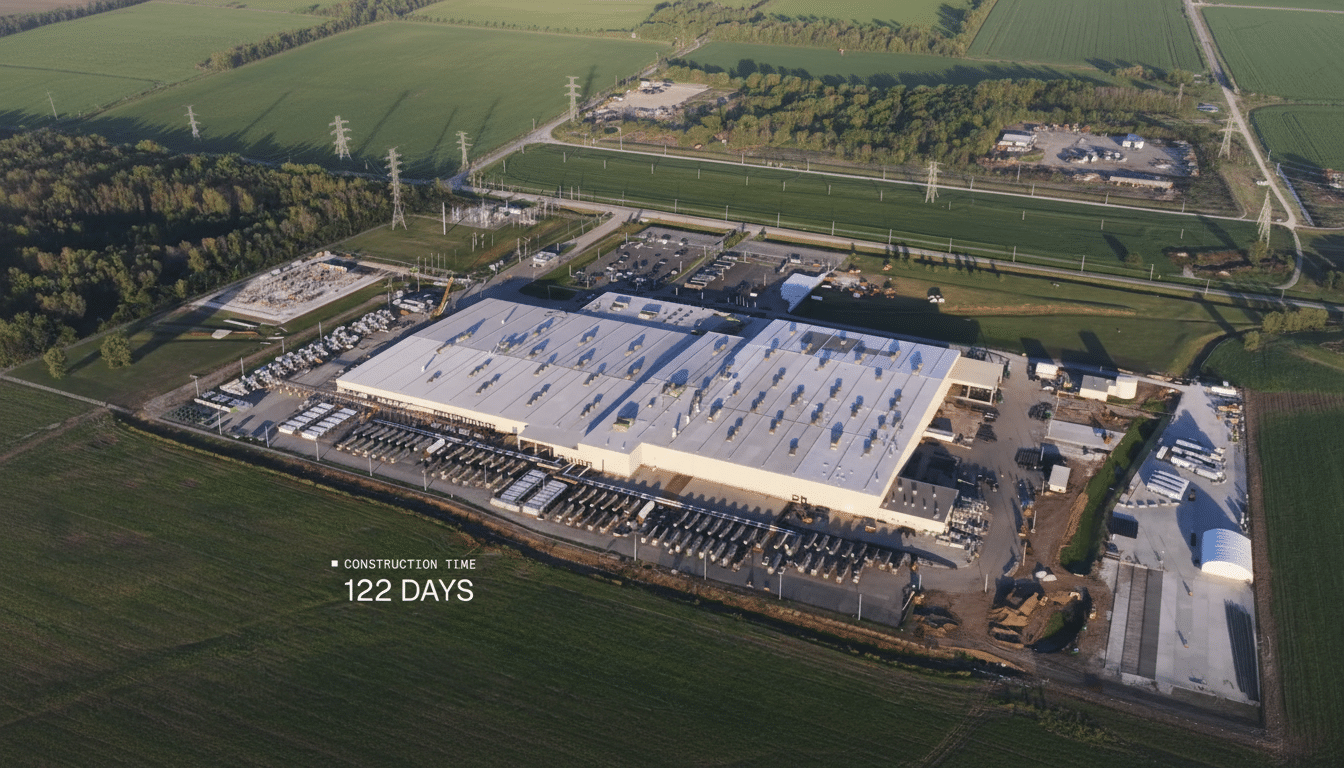
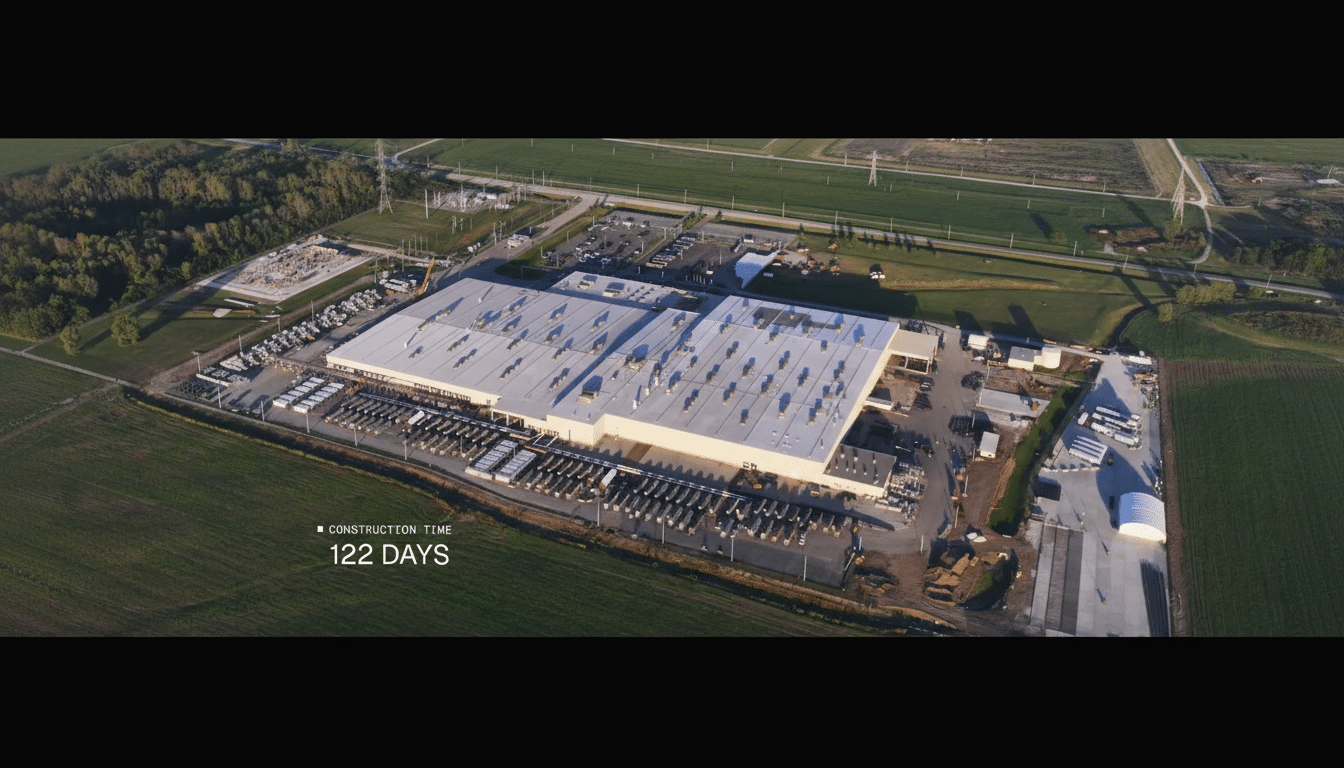
According to reporting by The Guardian, xAI relied on the prior ambiguity while ramping up operations at Colossus. At its peak, the site reportedly ran about 35 methane turbines without full permits, later securing permits for 15 units and now operating 12. The EPA’s stance indicates such operations should have been permitted from the start, a position environmental lawyers say eliminates any “shuffle the units” defense.
How Colossus Powered Up Its On-Site Generation
Colossus 1, a multi-billion-dollar build in a former industrial area of Memphis, is designed to host upward of a million GPUs for xAI’s model training and inference workloads. In a city already balancing industrial emissions and grid planning, on-site generation offered xAI speed and control—crucial advantages amid surging AI demand and tight utility interconnection queues nationwide.
Yet methane turbines are not benign. Turbine exhaust can contain nitrogen oxides, carbon monoxide, and hazardous air pollutants such as benzene and formaldehyde. The American Lung Association and academic researchers have linked these pollutants to higher risks of asthma exacerbation, cardiovascular stress, and long-term neurological and cancer outcomes, compounding concerns from neighbors who have pressed for transparency and stricter oversight.
Permit Enforcement and Legal Risks for Colossus
What happens next hinges on enforcement. Under the Clean Air Act, operating without required permits can trigger civil penalties that scale with duration and severity. Federal agencies sometimes negotiate compliance schedules, but environmental groups are signaling they want more than a warning. The Southern Environmental Law Center has indicated it is prepared to challenge unpermitted operations, arguing the EPA’s clarification confirms long-standing legal expectations.
Local and state regulators could also play a pivotal role. In many jurisdictions, regional air agencies administer federal rules and determine whether a site needs a minor source permit, a Title V operating permit, or even a New Source Review determination for significant emissions. With the loophole closed, Colossus will likely be evaluated as a stationary source, forcing a detailed accounting of emissions, controls, and monitoring.
Community Impacts and the Public Health Stakes
Memphis residents have raised alarm over cumulative industrial burdens, particularly in neighborhoods near legacy facilities. Public health data show respiratory disease rates in parts of Shelby County exceed state averages, intensifying calls for rigorous permitting and continuous emissions monitoring at new power-hungry sites. Health advocates point to real-time reporting and best-available control technology as baseline expectations for any on-site fossil generation.
xAI has not publicly addressed the EPA clarification. The company has emphasized its ambition to push AI performance at unprecedented scale, a goal that demands reliable megawatt-scale power. Industry analysts note that when grid connections lag, developers increasingly lean on interim generators to hit timelines—a practice the new guidance directly targets.
Why This Matters for AI Infrastructure Planning
The Colossus case is a bellwether for AI infrastructure across the United States. Power requirements for advanced model training are soaring, and several large operators have explored on-site gas to bridge multi-year utility upgrades. The International Energy Agency has warned that data center electricity demand is set to climb sharply, with AI as a major driver. If temporary turbines require full permitting everywhere, project timelines and cost structures will have to adjust.
Some operators are pivoting to alternatives: long-term utility contracts, co-location near existing generation, battery storage paired with grid power, and power purchase agreements for new renewables. Others are vetting combined heat and power or hydrogen-ready turbines to lower emissions intensity, though those approaches still face permitting and community acceptance tests.
The Bottom Line for xAI’s Colossus and AI Power
EPA’s clarification removes ambiguity that once let fast-growing projects treat portable turbines as a shortcut. For xAI’s Colossus, it introduces real legal risk and potentially costly retrofits or operating constraints. For the broader AI sector, it signals a new era: compliance planning and community engagement must be built into power strategies from day one, not stitched on in year two.