


Dental problems rarely happen at a convenient time. One minute, everything feels normal, and the next, you are dealing with pain, swelling, or a broken tooth that cannot wait. Many people try to ignore dental issues and hope they improve on their own, but some situations need fast treatment to prevent bigger problems later.
New York City does not slow down for anyone, and neither does a dental emergency. In a neighborhood like Tribeca, where most people are juggling demanding careers, busy family lives, and schedules that leave little room to breathe, it is easy to push a dental visit further and further back. But waiting too long can turn a manageable problem into a serious one. Infections spread, damage worsens, and what could have been a simple fix becomes a much longer and more expensive process. Knowing which symptoms need immediate attention can help you protect your oral health before a small issue becomes a much bigger setback.
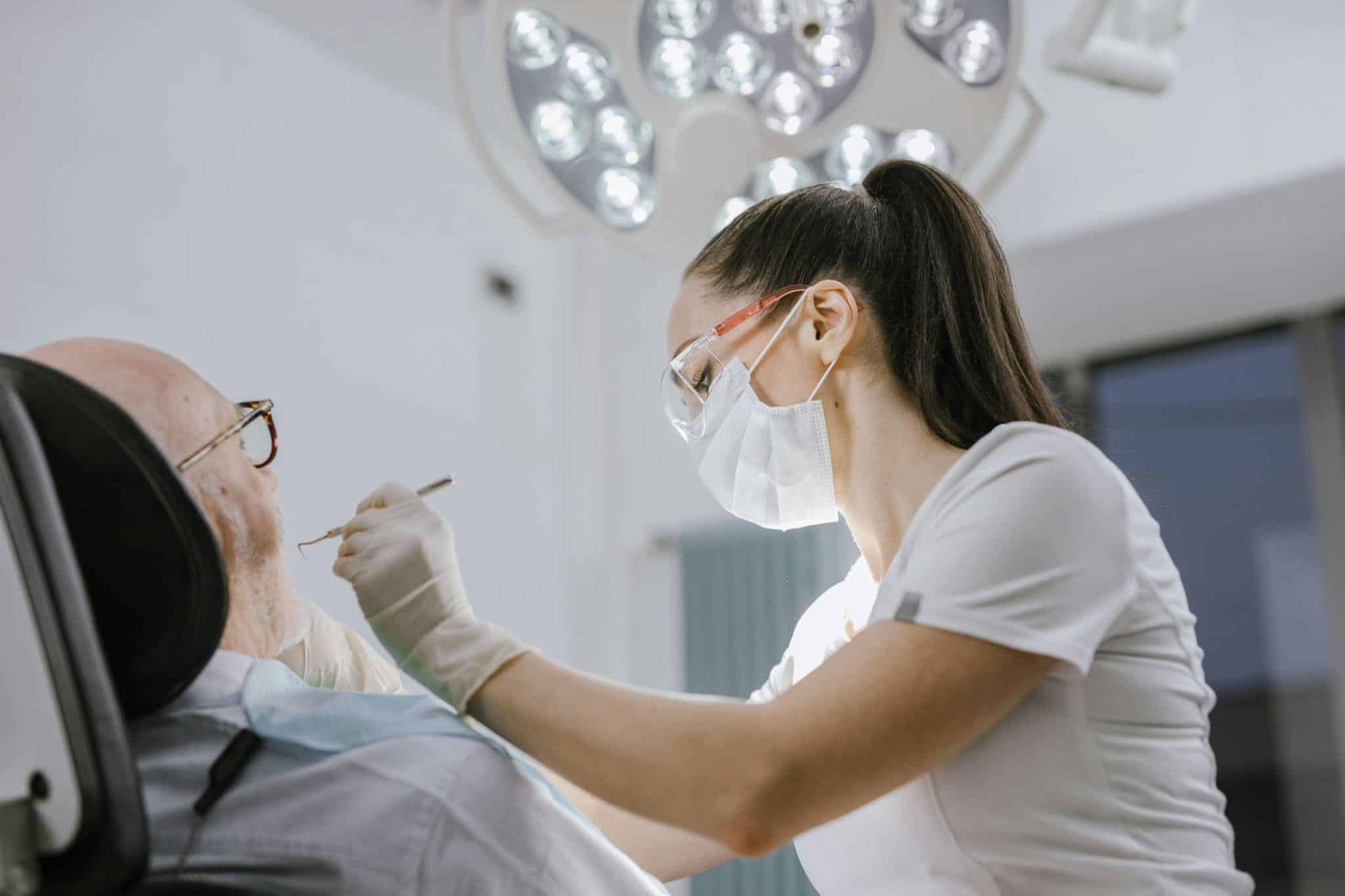
Severe Tooth Pain That Does Not Go Away
A toothache that lasts longer than a day or two should never be ignored. Persistent pain is often a sign that something deeper is happening inside the tooth or gums. In many cases, tooth pain can point to decay, infection, a damaged nerve, or even a hidden crack in the tooth.
The pain may start small and become worse over time. Some people notice sharp discomfort while eating, while others feel throbbing pain that keeps them awake at night. Swelling, sensitivity to hot or cold foods, and pain while chewing are also warning signs that something is wrong.
Getting professional care early can prevent the issue from becoming more serious. Quick treatment often means less discomfort and a simpler recovery process. Finding the best dentist in Tribeca NYC can help identify the cause of the pain before it leads to infection or tooth loss.
Ignoring severe tooth pain usually does not make it disappear. In fact, untreated dental infections can spread and affect other areas of the body. That is why ongoing pain should always be checked as soon as possible.
A Knocked-Out Tooth Needs Immediate Attention
A knocked-out tooth is one of the most urgent dental emergencies. This type of injury can happen during sports, falls, accidents, or even biting into something hard. Acting quickly can make the difference between saving the tooth and losing it permanently.
The first step is to carefully pick up the tooth by the top part, also called the crown. Avoid touching the root because it can damage important tissue needed for reattachment. If the tooth is dirty, rinse it gently with water without scrubbing it.
Try to keep the tooth moist until you can reach a dentist. Some people place it in milk, while others keep it inside the mouth near the cheek. Timing matters because a dentist has the best chance of saving the tooth within the first hour after the injury.
Swollen Gums or Facial Swelling Could Signal an Infection
Swelling in the gums, jaw, or face is not something to ignore. In many cases, swelling is linked to a dental infection or abscess. These infections can become serious if they are not treated quickly.
Some people also notice a bad taste in the mouth, pus near the gums, fever, or difficulty chewing. The pain may come and go, which sometimes causes people to think the problem is improving. Unfortunately, the infection may still be spreading beneath the surface.
Dental infections can damage teeth, gums, and surrounding tissue. In more severe cases, the infection can move into other parts of the body. This is why swelling should always be treated as a warning sign.
If you notice sudden swelling around the mouth or jaw, it is important to contact a dentist as soon as possible rather than waiting for the discomfort to fade.
Cracked or Broken Teeth Should Not Be Ignored
A cracked or broken tooth may not always hurt immediately, but it can still become a serious problem if left untreated. Teeth can crack from chewing hard foods, accidents, teeth grinding, or sports injuries.
Some cracks are easy to see, while others are hidden below the surface. You may feel pain when biting down or notice sensitivity to hot and cold foods. Even small cracks can allow bacteria to enter the tooth, which increases the risk of infection.
Broken teeth also tend to become weaker over time. What begins as a small chip can eventually turn into a larger fracture that requires more extensive treatment.
Lost Fillings or Crowns Can Lead to Bigger Problems
Fillings and crowns are designed to protect teeth that have already been weakened by decay or damage. When they fall out, the exposed tooth becomes vulnerable to pain, sensitivity, and further breakage.
Many people try to ignore the issue if the tooth is not hurting badly. However, even mild discomfort can quickly turn into severe pain if bacteria reach the inner part of the tooth.
You may notice sensitivity while eating or drinking, especially with hot or cold foods. The tooth may also feel rough or sharp against the tongue.
Temporary products from the drugstore may help for a short time, but they are not a replacement for proper dental treatment. It is important to have the tooth repaired before the damage becomes worse.
When to Go to the Emergency Room Instead of the Dentist
While many dental emergencies can be treated by a dentist, some situations require immediate medical care. Serious facial injuries, uncontrolled bleeding, and swelling that affects breathing should be treated at an emergency room right away.
Difficulty breathing or swallowing can become dangerous very quickly. Severe trauma involving the jaw or head also needs urgent medical attention. Knowing basic emergency response skills can make a real difference in those critical first moments before professional help arrives.
Understanding the difference between a dental emergency and a medical emergency can help you make the safest decision during a stressful situation.
Dental emergencies are easy to dismiss when life gets busy, but waiting too long can turn a small issue into a much bigger problem. Pain, swelling, broken teeth, and sudden injuries are all signs that your mouth needs attention right away. The faster you respond, the better the chance of protecting your teeth and avoiding long-term damage. Paying attention to warning signs and getting timely care can make a major difference in your comfort, health, and overall smile.