


Elon Musk is signaling that Tesla’s forthcoming Roadster is being engineered for shock-and-awe performance, not top-tier occupant protection. In a recent tech podcast conversation, he told listeners that anyone who puts safety above all else should not plan on buying the Roadster, positioning the halo EV as a thrill machine first and foremost.
The remarks sharpen Tesla’s messaging around a car that has been teased for years as a boundary-pushing flagship. Musk has floated audacious possibilities for the Roadster — from sub-one-second 0 to 60 mph launches using cold-gas thrusters to a top speed beyond 250 mph — and has hinted at stunts that veer into aerospace territory. Reports from outlets such as TechRadar have cataloged these claims, which, if realized, would place the car squarely in hypercar territory.
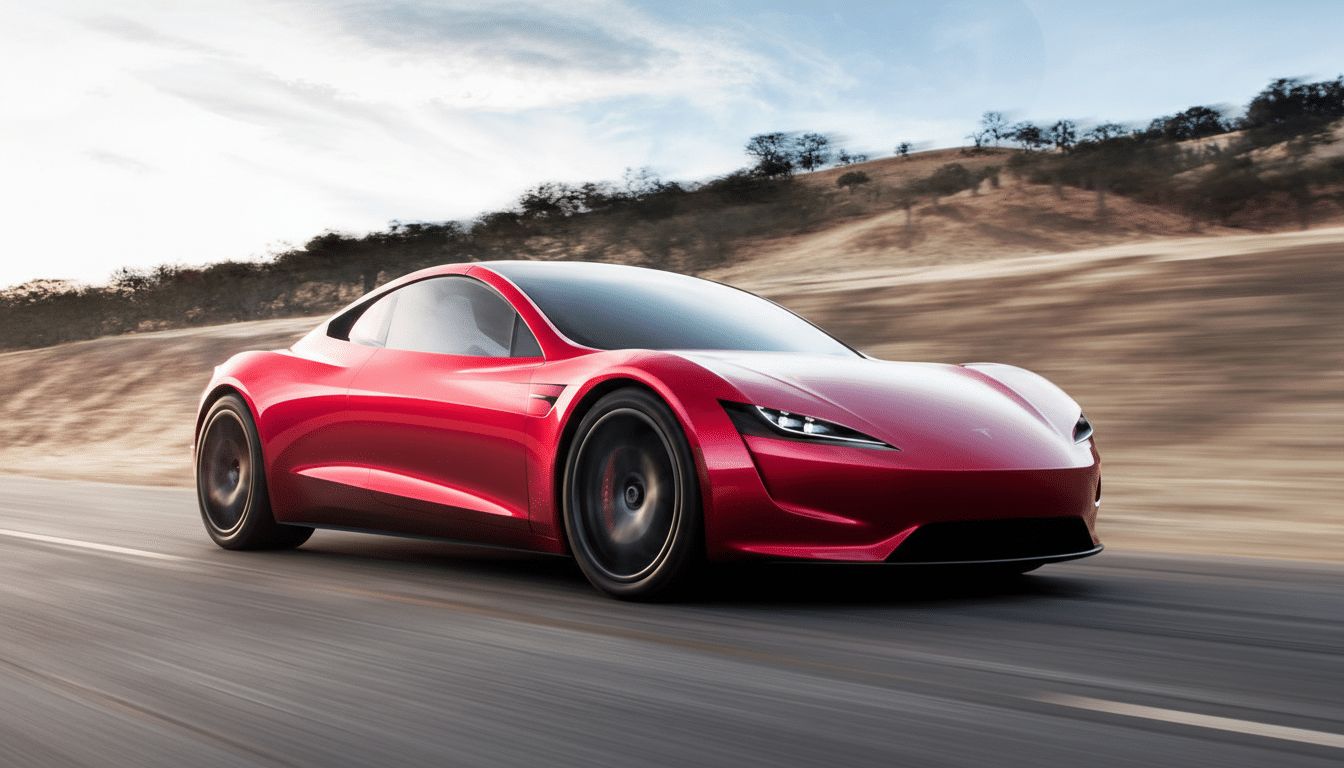
Musk Frames Roadster As Performance Over Protection
Musk’s stance aligns with how many exotic manufacturers position their cars: buyers of Ferraris, Lamborghinis, and McLarens typically pay for visceral speed and handling, not for crash-test laurels. By saying the Roadster is not built with safety as the primary objective, he’s drawing a clear line between Tesla’s mainstream models and its limited-run showcase vehicle.
That framing matters. Safety-first narratives have underpinned much of Tesla’s growth, particularly with mass-market sedans and SUVs that tout crashworthiness and driver-assistance sophistication. The Roadster, in contrast, is being cast as a throwback of sorts — a driver’s car intended to deliver peak acceleration and lateral grip, even if that means compromising on the attributes that make a family EV shine in crash labs and on insurance scorecards.
How That Stacks Up With Tesla’s Safety Record
Tesla’s Model 3 and Model Y have earned strong results from the National Highway Traffic Safety Administration and recognition from the Insurance Institute for Highway Safety, achievements the company frequently highlights. At the same time, driver-assistance systems like Autopilot and Full Self-Driving have drawn scrutiny from regulators investigating crashes and misuse, underscoring how safety reputations can hinge on both hardware resilience and real-world behavior.
The Roadster’s pitch departs from that template. Enthusiast-grade performance hardware — ultra-sticky tires, stiff suspensions, aggressive aero, and, if Musk’s ideas hold, rocket-inspired propulsion aids — can help lap times but does little for passive safety beyond regulatory minimums. Buyers should expect a machine that meets federal standards yet isn’t optimized to ace every crash scenario the way a volume sedan might be.
Hypercar Context and the Current Regulatory Reality
All road-legal cars must comply with federal safety regulations before they reach customers. But compliance is not the same as top-tier crash performance, and the real risk driver is speed. NHTSA data consistently shows that speeding is a factor in roughly 29% of traffic fatalities in the United States. IIHS has also emphasized that higher speeds dramatically increase crash energy and injury severity, regardless of the model involved.
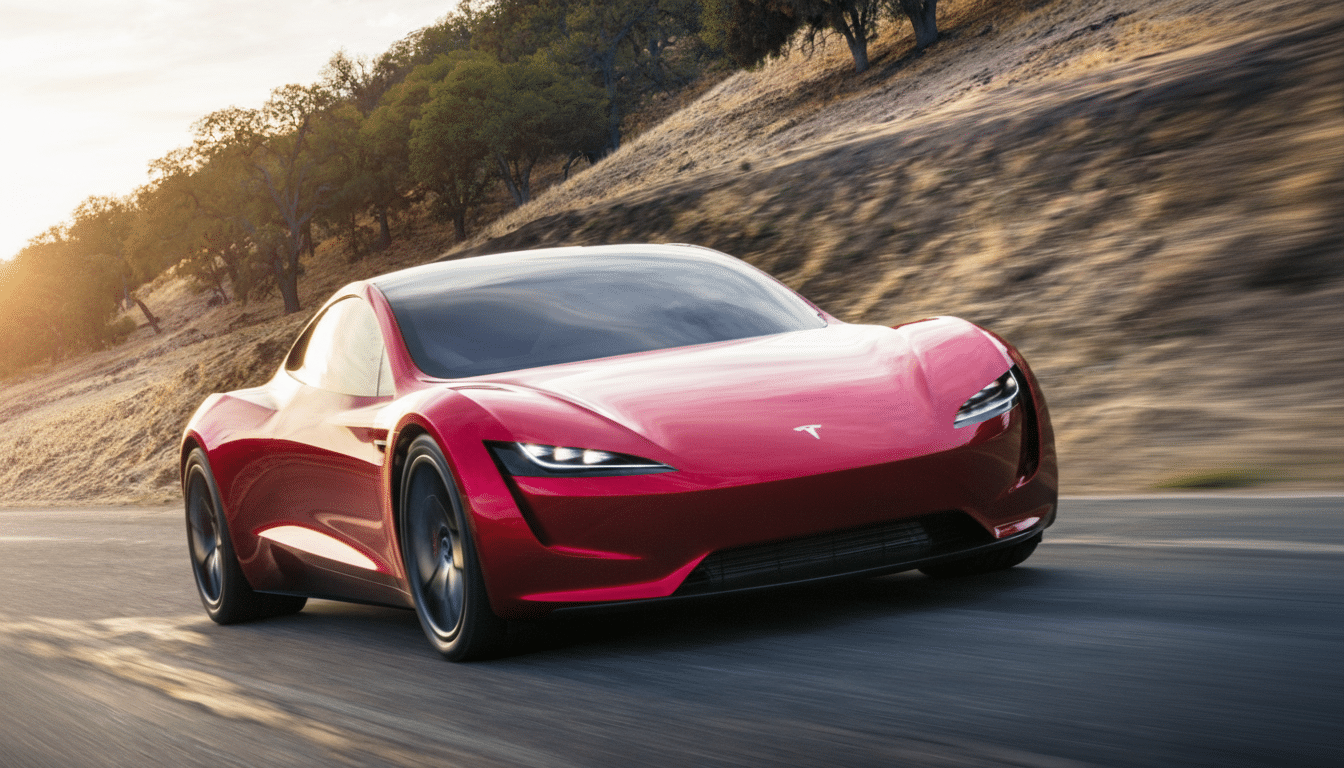
Hypercar buyers accept that trade-off. They’re purchasing capability and experience — the sense that the car could do 0 to 60 mph in a blink or touch astonishing velocities, even if those feats are rarely attempted on public roads. If the Roadster truly delivers sub-one-second launches via thrusters, it will sit in a niche where drivers must exercise exceptional restraint and situational awareness to keep that capability in check.
Timelines, Promises, and Consumer Expectations
The Roadster has been a moving target, with shifting timelines and a steady stream of bold promises. Musk has teased live demos and unveilings that didn’t materialize and suggested features that border on science fiction. Fans point to Tesla’s history of eventually delivering breakthroughs after delays; skeptics note that some claims never graduate from stagecraft to showroom reality.
For prospective buyers, the prudent approach is to separate aspiration from specification. Until Tesla provides verified performance figures, certification details, and production-ready features, the Roadster remains a concept in motion. That’s especially true for any aerospace-style assist systems, which would raise significant certification and liability questions before widespread use could be approved.
What It Means for Buyers Considering the Roadster
Musk’s message is unusually candid for a CEO: if safety tops your checklist, the Roadster isn’t designed for you. Consumers seeking leading safety credentials in a Tesla will likely continue to look to the company’s existing lineup, which emphasizes occupant protection and mature driver-assistance features.
But for enthusiasts who want a boundary-stretching electric supercar and understand the responsibilities that come with it, the Roadster — if it matches even a fraction of the teased specs — could be a landmark. The key will be transparency: clear, independently validated performance and safety data, realistic delivery timelines, and a frank acknowledgment that with extreme capability comes elevated risk. Until then, the safest bet is to treat the Roadster as what Musk says it is — an unapologetic performance statement, not a safety-first daily driver.