


Developers don’t have time for friction. They need fast compilers, predictable updates, solid docs, and containers that “just work.” After years of hands-on testing and countless conversations with platform teams, these are the eight Linux distributions I recommend first—and the exact reasons each one earns a place on a serious dev’s shortlist.
How I Picked These Distros for Modern Development
I prioritized five realities of modern engineering: package depth and freshness, toolchain quality (GCC/Clang, LLVM, JDK, Python, Node), container and virtualization support, long-term stability with sane upgrade paths, and strong documentation/community. I also weighed enterprise compatibility, ARM/embedded support, and how well each distro fits common CI/CD pipelines. Industry context from the Stack Overflow Developer Survey, the JetBrains Developer Ecosystem Report, and CNCF research informed these choices.
- How I Picked These Distros for Modern Development
- Pop!_OS delivers a fast, developer-first desktop experience
- Debian remains a predictable base for reliable development
- Fedora Workstation offers modern tooling with sane defaults
- Arch Linux gives full control and the latest toolchains
- Raspberry Pi OS streamlines embedded and IoT prototyping
- Red Hat Enterprise Linux provides long-term stability
- Rocky Linux mirrors RHEL compatibility with community support
- Ubuntu LTS powers laptops, clouds, and CI with stability
- The bottom line for builders choosing a Linux distro
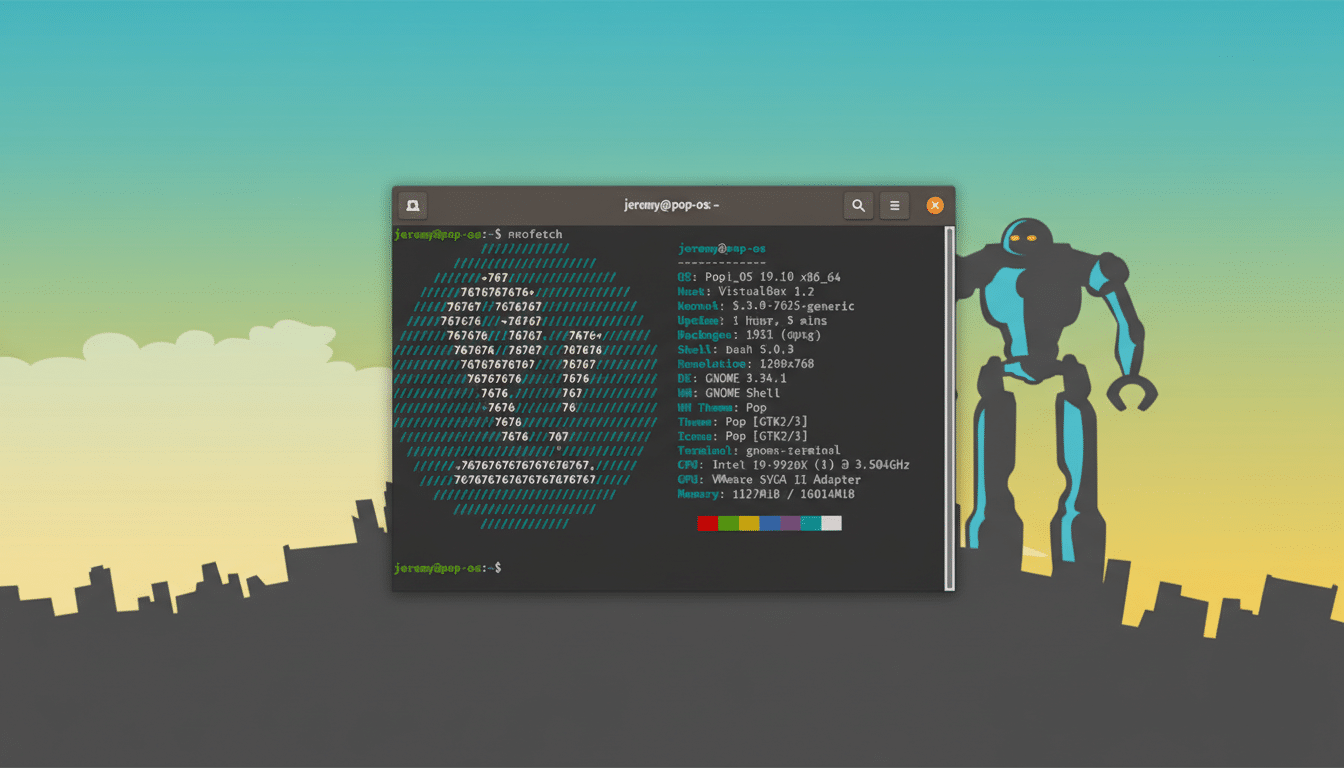
Pop!_OS delivers a fast, developer-first desktop experience
Pop!_OS is the rare “batteries-included” desktop that still feels fast and developer-first. The COSMIC desktop’s keyboard-centric workflow and on-demand tiling let you live in terminals, editors, and browsers without window-juggling fatigue. GPU drivers are handled cleanly, and curated packages for CUDA, ROCm, and machine learning tools reduce setup time for AI, simulation, and media workloads.
System76’s hardware pairing is a pragmatic bonus: same-vendor firmware, drivers, and OS remove a whole class of surprises when you’re compiling, training models, or running VMs.
Debian remains a predictable base for reliable development
Debian remains the gold standard for predictability. Its vast repositories, rigorous policies, and conservative release cadence make it a favorite for teams that value reproducible builds and boringly reliable servers. Google’s internal “gLinux” is based on Debian, and countless upstream images for containers start here for a reason.
For developers, that means fewer breaking surprises and world-class documentation. Use Backports when you need newer toolchains while keeping the stable base.
Fedora Workstation offers modern tooling with sane defaults
Fedora is where modern Linux lands first—without feeling experimental. You get up-to-date kernels, GCC/Clang, Wayland by default, and SELinux enabled, which mirrors how production containers and enterprise fleets are actually secured. Toolbox and Podman make per-project dev environments isolated and repeatable, and COPR gives you a curated avenue to newer packages.
Its upstream-first ethos (and tight link to enterprise Linux) gives you the newest developer experience with a clear path to production hardening.
Arch Linux gives full control and the latest toolchains
When you need total control and the latest everything, Arch delivers. The rolling release brings new kernels, drivers, and toolchains quickly, and the Arch User Repository offers a staggering array of community-maintained packages. PKGBUILDs make customizing and reproducing your own packages straightforward.
The learning curve is real, but so are the benefits. The Arch Wiki is arguably the best problem-solving resource in Linux, and the success of Arch-based SteamOS shows rolling foundations can scale to demanding use cases.
Raspberry Pi OS streamlines embedded and IoT prototyping
For embedded, education, and IoT prototyping on affordable hardware, start here. Raspberry Pi OS is tuned for the Pi’s ARM SoCs, with GPIO libraries, camera support via libcamera, and a lightweight desktop that now embraces Wayland. You can prototype sensors, edge inference, and robotics on the same platform used in classrooms and labs worldwide.
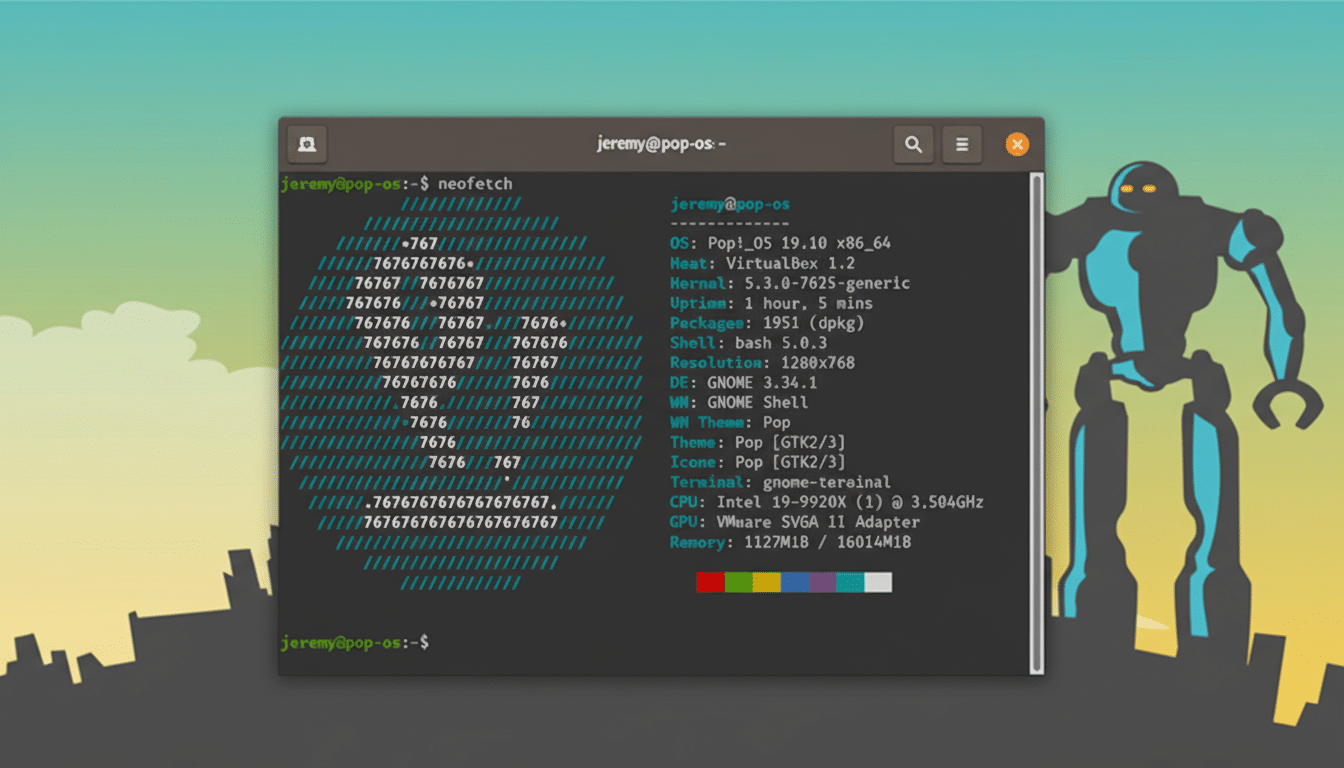
The consistency of the hardware and official images means less yak-shaving and more building when deadlines loom.
Red Hat Enterprise Linux provides long-term stability
If your target users wear badges and manage change windows, RHEL matters. It offers long life cycles, ABI stability, SELinux by default, and Application Streams for newer language runtimes on a stable base. The no-cost developer subscription grants full access for local builds, containers, and testing without procurement friction.
RHEL aligns closely with how large organizations deploy and audit software—useful when your app needs to pass security scans and compliance checks on day one.
Rocky Linux mirrors RHEL compatibility with community support
Rocky Linux is a 1:1 RHEL-compatible rebuild, community-driven and production-ready. It’s ideal when you want enterprise parity without vendor entanglements. Developers can build on the community edition and graduate to commercial support if needs evolve, knowing the underlying ABI and behavior remain consistent.
Cloud images are plentiful, making it easy to mirror customer environments in CI and staging.
Ubuntu LTS powers laptops, clouds, and CI with stability
Ubuntu LTS is the connective tissue of modern DevOps: ubiquitous on laptops, clouds, and CI runners. Many pipelines default to Ubuntu images, and package availability across apt, Snaps, and PPAs is unmatched. If you build for Ubuntu, you usually get smooth portability to its many derivatives.
WSL support and polished desktop ergonomics lower the barrier for mixed Windows-Linux shops, while five-year LTS support keeps production teams calm.
The bottom line for builders choosing a Linux distro
Pick Fedora when you want modern tooling with sane defaults, Debian when you need unwavering stability, Arch when you need full control, and Ubuntu LTS when you want maximum ecosystem compatibility. Aim for RHEL or Rocky Linux if your buyers run data centers, Pop!_OS for GPU-heavy creative and AI workflows, and Raspberry Pi OS when your ideas need pins, motors, and sensors.
The best distro is the one that minimizes time-to-first-commit in your world and mirrors where your code will run in production. These eight do that better than anything else I’ve tested.