


This year’s show floors were packed with ambitious notebooks, but a handful rose above the noise. After hands-on time with dozens of systems across suites, booths, and backrooms, our editors singled out machines that move the needle for business, gaming, creators, and road warriors. The common threads: smarter thermals, serious battery gains, and AI-first silicon that finally feels ready for real workloads.
Why These Laptops Stand Out From the CES Crowd
Two big shifts dominated the conversations we had with engineers and product leads: meaningful repairability and the maturation of AI PCs. Enterprise buyers told us they’re hunting for lower total cost of ownership and fewer depot visits, while creators and gamers are chasing performance without the backpack-busting heft. The picks below reflect both trends, with measured leaps in design, displays, and on-device AI acceleration.
- Why These Laptops Stand Out From the CES Crowd
- Best Business Pick Lenovo ThinkPad X1 Carbon Aura
- Best 16-Inch Ultraportable Asus Zenbook A16
- Best Gaming Pick Alienware Area-51 16 OLED
- Best MacBook Pro Alternative MSI Stealth 16 AI+
- Best Work Ultraportable Asus ExpertBook Ultra
- Best Detachable For Creators Asus ProArt PZ14
- Best Dual-Screen Laptop Asus Zenbook Duo at CES
- Most Daring Concept Lenovo ThinkPad Rollable XD
- Buying Advice for Shoppers: What to Watch Next
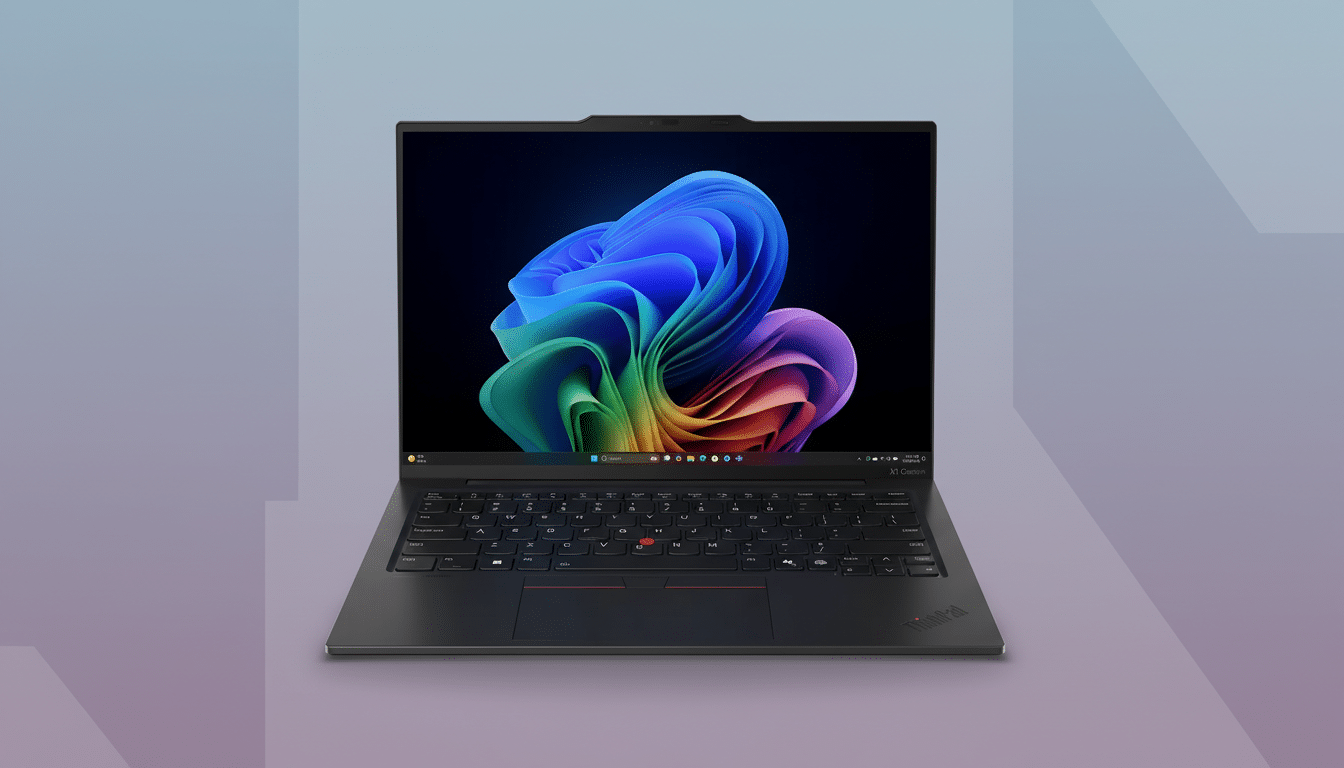
Best Business Pick Lenovo ThinkPad X1 Carbon Aura
Lenovo’s reimagined interior is the most practical innovation we saw. The “Space Frame” mounts components on both sides of the internal chassis, and the keyboard lifts off magnetically for quick access—so IT can swap ports, fans, or batteries without replacing the whole machine. It’s classic ThinkPad fit and finish, now paired with serviceability that aligns with right-to-repair momentum in the EU and several U.S. states. The latest Intel Core Ultra Series 3 chips bring stronger NPUs for on-device AI, but the headline here is a laptop that can live longer in the field.
Best 16-Inch Ultraportable Asus Zenbook A16
Asus scaled up its Arm-based formula with a 16-inch OLED and Qualcomm’s 18-core Snapdragon X2 Elite Extreme, yet kept the chassis just 0.65 inch thick and 2.65 pounds. That’s lighter than some 13-inch rivals while offering markedly more screen real estate. With key creative and office suites now optimized for Arm, the A16 feels less like an experiment and more like the big-screen travel laptop to beat. Expect standout stamina and snappy wake times, plus the quiet thermals that make long flights bearable.
Best Gaming Pick Alienware Area-51 16 OLED
Gamers begged for OLED’s return and got it with a 240Hz panel that pairs deep blacks with ultra-fast pixel response. Alienware couples the display with refreshed Intel Core Ultra 200HX processors, turning in fluid frame rates and buttery motion for competitive titles. The OLED’s per-pixel lighting also elevates HDR in narrative games. We’ll watch for long-term burn-in mitigation, but the thermal design and component choices suggest a flagship built for marathon sessions, not just show-floor demos.
Best MacBook Pro Alternative MSI Stealth 16 AI+
MSI’s latest Stealth trims the gamer flash for a refined metal build that wouldn’t look out of place in a boardroom. Under the hood, it’s a rocket: up to a GeForce RTX 5090 and new H-grade Intel Core Ultra Series 3 silicon with stronger AI engines for denoise, upscaling, and timeline scrubbing. The key is a revamped cooling stack that keeps clocks high without turning your lap into a space heater. If you edit by day and raid by night, this is the do-it-all clamshell to watch.
Best Work Ultraportable Asus ExpertBook Ultra
At just 2.18 pounds and 0.43 inch thick, the ExpertBook Ultra squeezes a 50W Intel Core Ultra X9 into a chassis that’s thinner and lighter than many 13-inch machines. Battery claims reach up to 24 hours, with a quick top-up to 50% in about 30 minutes. It doesn’t skimp on I/O, either: dual Thunderbolt, dual USB-A, full-size HDMI, and a headset jack. The 1800p Tandem OLED—protected by Gorilla Glass Victus and treated to reduce glare—rounds out a package that takes “no excuses” seriously.
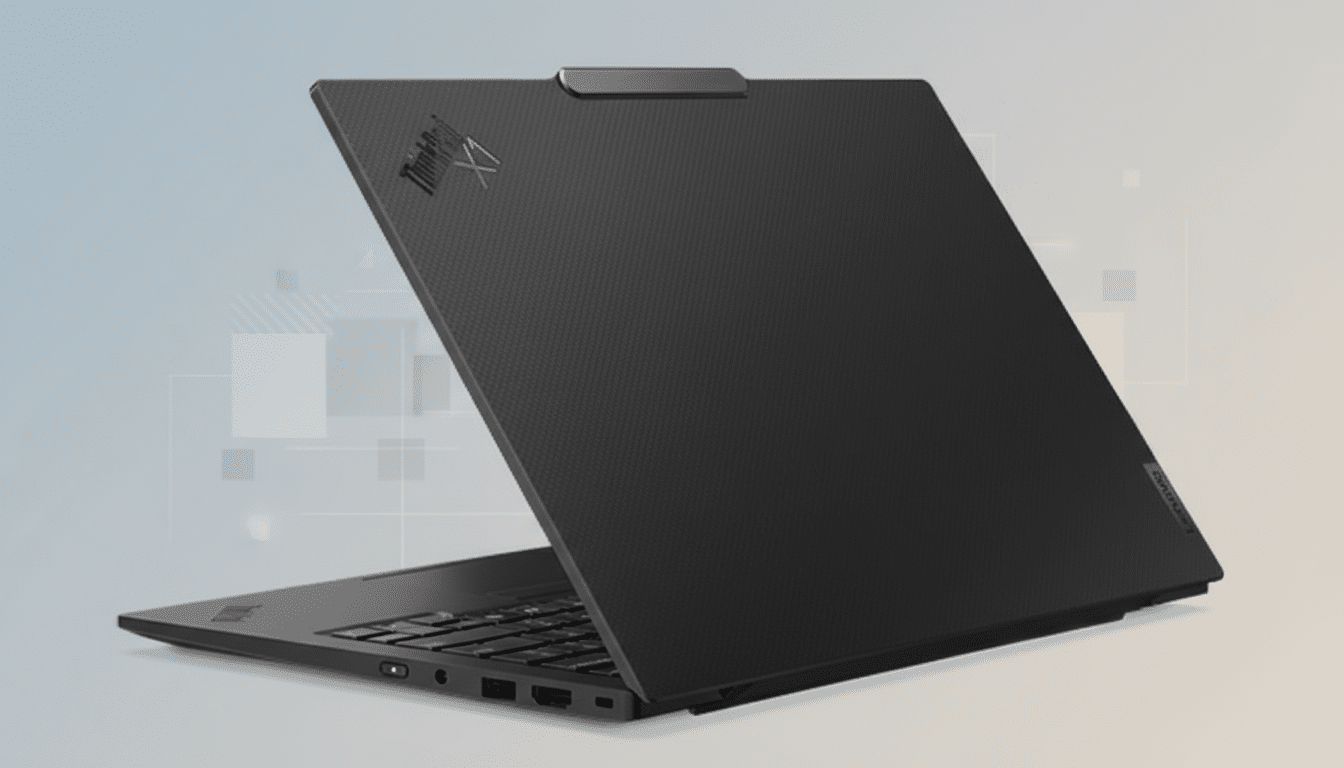
Best Detachable For Creators Asus ProArt PZ14
Asus set its sights on the detachable crown with a 14-inch 1800p OLED touch panel at 144Hz and the Snapdragon X2 Elite driving the show. The keyboard ships in the box, and the tablet portion adds extra ports versus the usual suspects. Artists and editors benefit from the high-refresh canvas, while the Arm efficiency should deliver true all-day endurance. For creators who want pen-first flexibility without docking compromises, this is the slate to shortlist.
Best Dual-Screen Laptop Asus Zenbook Duo at CES
Dual-screen laptops often feel like prototypes in disguise. This one doesn’t. Asus tightened bezels, refined the hinge area, and enlarged the touchpad, making the Duo feel like a proper two-display workstation. You can use the keyboard wirelessly on a desk or overlay it for clamshell mode, and Intel Core Ultra options up to X9 keep the experience fluid. For coders, traders, and multitaskers who live in vertical stacks and timelines, the second 1800p panel changes the daily rhythm immediately.
Most Daring Concept Lenovo ThinkPad Rollable XD
Lenovo’s rollable prototype is closer to product than science project. The display wraps 180 degrees around the lid, serving glanceable widgets when closed, then expands from 14 inches to 17 inches on demand. It’s a clever way to give developers, analysts, and editors more vertical real estate without hauling a larger chassis. The big questions—mechanism longevity and panel toughness—remain, but the polish we saw suggests this concept has legs.
Buying Advice for Shoppers: What to Watch Next
AI PCs are the throughline. Look for systems with robust on-device NPUs that accelerate noise removal, transcription, and generative tools without hitting battery life. If you’re eyeing Arm-based Windows, verify your must-have apps and plugins run natively or perform well in emulation. For business fleets, prioritize field-serviceable designs and management features like hardware-based security and remote provisioning. And if you jump to OLED, enable the panel’s protection features and consider a warranty that covers the display.
The bottom line: manufacturers didn’t just chase raw speed this year. They rethought serviceability, mobility, and displays in ways you’ll notice on day one. That’s progress you can feel—and reasons these laptops made our list.