


Smart glasses are slowly moving from novelty to everyday tool, and one of our experts just made a telling swap: He put down his Ray-Ban Meta pair in favor of Amazon’s Echo Frames. The kicker is a limited Prime bundle that includes Echo Frames (3rd gen) and an Echo Spot for just $120 — a package price that undercuts most audio wearables as well as many midrange headphones.
Why an expert swapped Ray-Ban Meta for Amazon Echo Frames
The biggest reason was practicality. Ray-Ban’s Meta glasses are incredible for hands-free photo and video capture, but that camera might be a nonstarter in meetings, classrooms, or privacy-conscious areas. Echo Frames omit the camera altogether, meaning they are easier to wear everywhere without garnering funny looks or policy concerns.
- Why an expert swapped Ray-Ban Meta for Amazon Echo Frames
- What the Echo Frames (3rd gen) actually do in daily use
- Echo Spot adds bedside smarts to the bundle
- The math on how this Echo Frames bundle stacks up
- When to buy and who should consider Echo Frames
- Bottom line: value and versatility win at this price
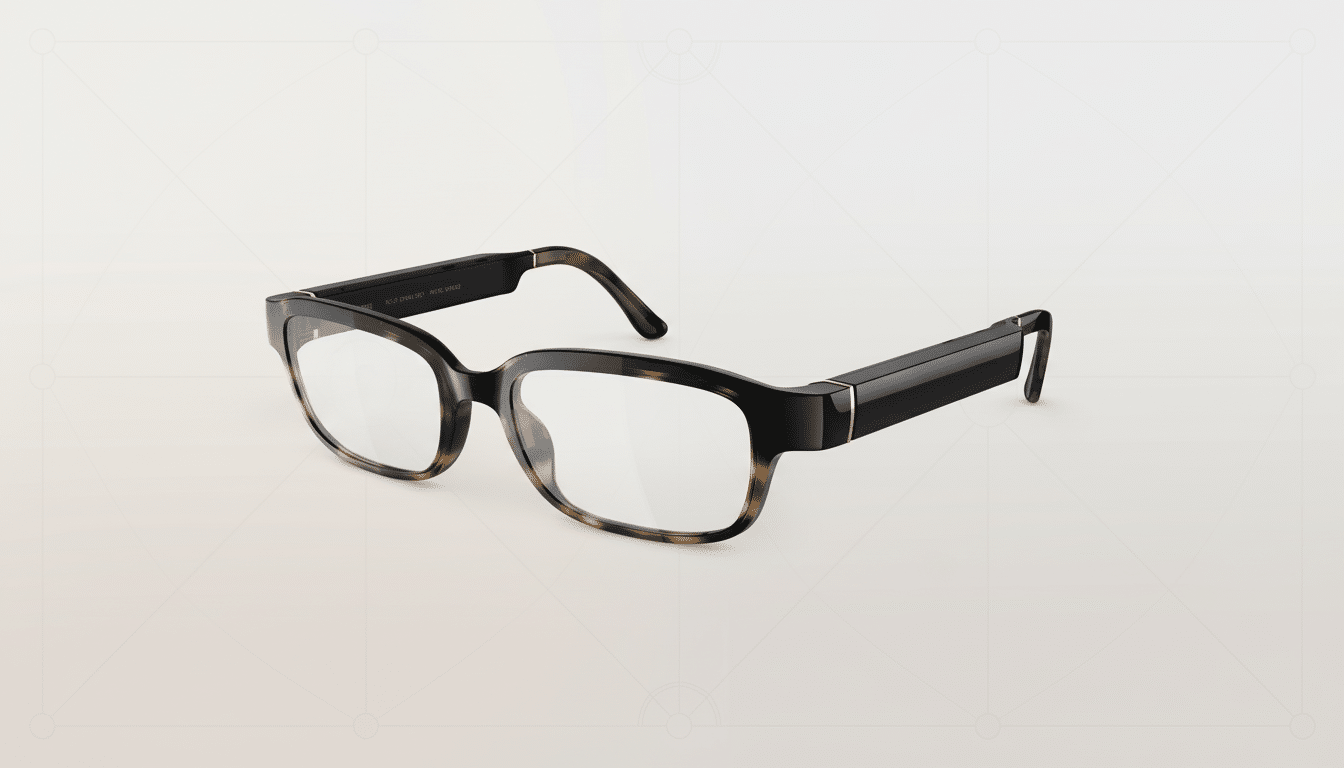
Audio performance also played a role in the decision. The open-ear speakers in the Frames are optimized for clear mids and highs to sound good with podcasts, audiobooks, phone calls, and navigation prompts, as tested by our reviewer. That kind of clarity is better than the bass-forward thump some open-ear wearables pursue — and it’s better for long listening when you need to stay aware of your surroundings, honestly.
Comfort also matters. Echo Frames come in several different styles and are prescription-ready, so they’re like real glasses you can live your life in more comfortably than a gadget to which you grudgingly become accustomed. They have a splash resistance rating of IPX4 and are built for all-day use cases that don’t require constant recharging.
What the Echo Frames (3rd gen) actually do in daily use
Consider these subtle body-worn speakers with Alexa built in. You can activate voice commands hands-free to remind you of appointments, turn off lights, add items to your shopping list, or play a playlist. The beamforming open-ear drivers send sound toward your ears while reducing leakage, so people near you will hear less than you might think.
Onboard microphones handle calls, and multipoint Bluetooth keeps you connected to your phone and laptop at the same time. Amazon claims the battery will last for up to about six hours of continuous media playback (it’s likely more with mixed, moderate use), and that should suffice for even the longest subway commutes or one-block-long walks. A notification filter, such as VIP contacts, ensures that only the alerts you want reach your ear.
There’s no camera or AR display, and that is the point. By leaning into audio-first utility — voice assistance, communications, and light entertainment — the Frames maintain a low weight, price, and social friction.
Echo Spot adds bedside smarts to the bundle
The Echo Spot included in this bundle is a small, Alexa-enabled alarm clock with a colorful display and a better speaker than earlier versions. It’s for your nightstand or kitchen counter: alarms, timers, weather reports at a glance, and quick voice commands.
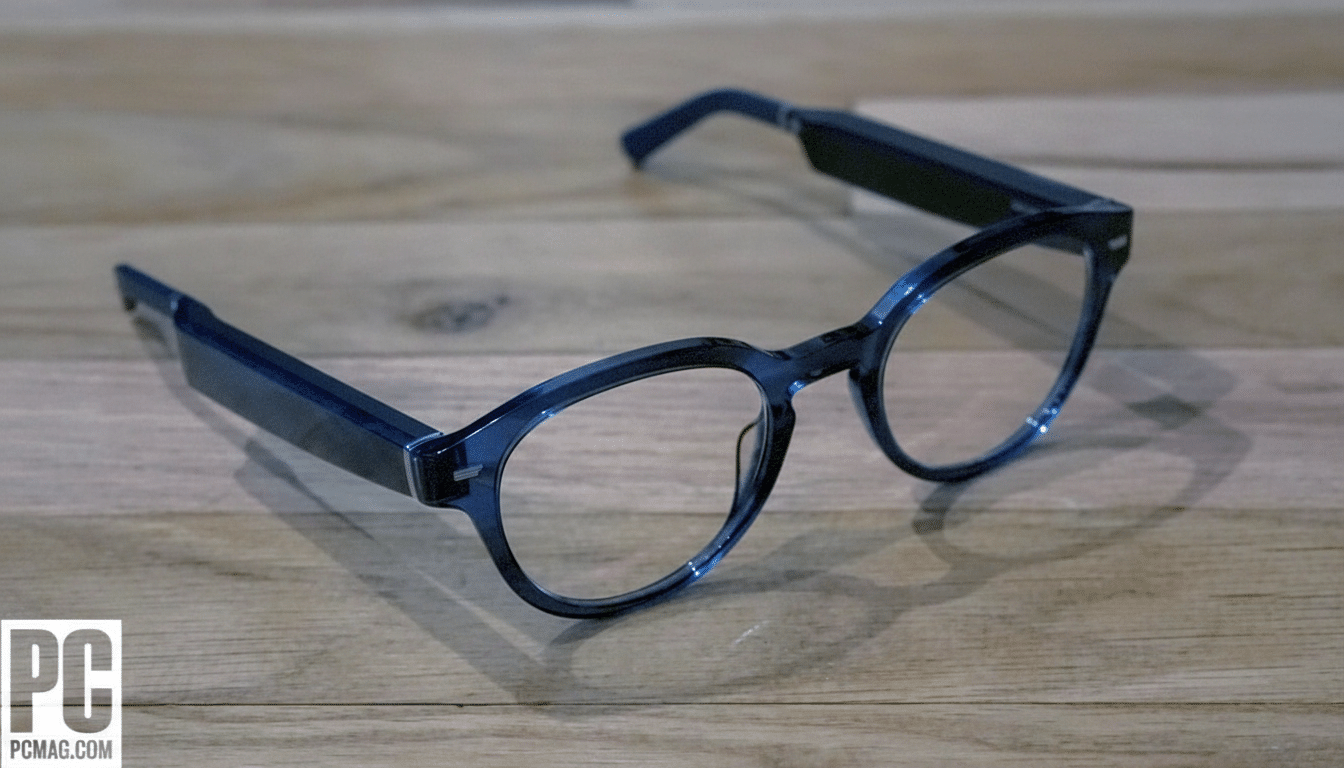
Spot and Frames, taken together, are a nice system. Ask Spot to lead a morning routine, then ask Frames to step through so you can continue your podcast using just voice. You’re able to transfer playback between devices, broadcast announcements to the house, and control smart-home scenes without needing a phone in hand. The integration feels smooth for those who already use Alexa.
The math on how this Echo Frames bundle stacks up
Individually, the Echo Frames carry an MSRP of around $270 and the current-gen Echo Spot usually goes for about $80, so this $120 bundle is effectively a 66% discount off both units combined. That makes it far less expensive than Ray-Ban Meta smart glasses, which typically start at $299 and increase with frame and lens options.
If you’re looking for a camera to capture POV content or for live streaming, Ray-Ban Meta smart glasses continue to fit the bill better. But if you’re all about voice assistance, calls, and audio without appearing to do so, the Echo Frames present a cleaner solution at a fraction of the price — and one that’s more workable in environments like offices and clinics where cameras are frowned upon.
The broader market environment is conducive to the audio-first wearables pivot. Recently, we saw a roughly 9 percent year-over-year increase in worldwide wearables shipments, according to IDC, with audio products leading the gains as buyers seek products that add utility — not screens. Echo Frames fall right in that sweet spot.
When to buy and who should consider Echo Frames
Open-ear speakers can’t compete with closed earbuds for blasting the bass or isolating your music, and they’re not great on very noisy street corners either. Battery life is geared for daily outings, not marathon all-day streaming. And if you’re looking for hands-free photos or video, that’s not, by design, what this product offers.
Nevertheless, for commuters or walkers or anyone who might appreciate audio with environmental awareness, the trade-offs make sense. The frames can accept prescription lenses, the sound is clear for voices, and Alexa’s utility also cuts a lot of friction from daily tasks.
Bottom line: value and versatility win at this price
Our expert’s transition from Ray-Ban Meta to Echo Frames is all about value and versatility. For $120, including an Echo Spot, you’re getting a well-turned set of smart glasses that are designed for real-world use — personal enough for the workplace, capable enough to navigate your daily life, and priced like a no-brainer first step into wearables that actually will be worn.