


My walls are white – by choice. I was going to art-school my wall, but as a renter who double thinks every nail hole, I’ve shied away from getting too invested in traditional art. I still crave personality and color, though — preferably without the thick power cord, the monthly subscription requirement and the ever-glow. That’s the simple reason the large-format E Ink posters suddenly feel so interesting. They promise art that is mutable, daylight-readable and sipping hardly any power, and hanging placidly like a print.
Why E Ink is better than TVs and projectors
Projectors can transform a wall into a canvas, but they tend to be unhappy in bright rooms and most require precise positioning or spendy ultra-short-throw gear. They’re also serious power hogs — they draw hundreds of watts in operation — and need light bulbs or lasers that don’t last forever. Even if you’re a fan of the cinematic look, it’s overkill for non-moving art.
Wall-mounted TVs (specifically, ones made for art, like Samsung’s The Frame) solve daytime visibility and look neat with interchangeable bezels. But a TV is still an in-use screen. Independent testing from reviewers like Rtings has put The Frame’s Art Mode in the 20–40W range, depending on size. That isn’t a huge skirmish, but it is unrelenting, and the dim light is constant.
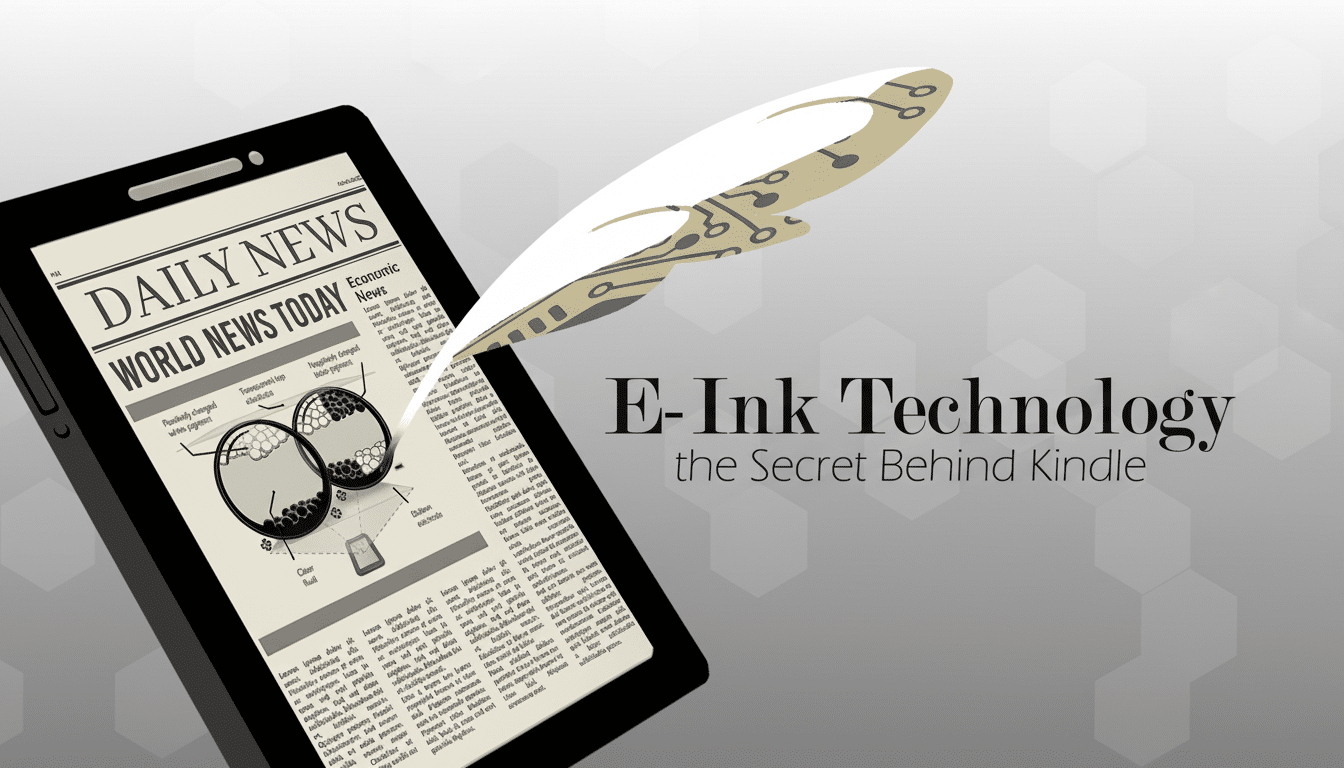
E Ink flips the equation. Thereby it can conserve power in use ist to titten a an image standhyrundlich in those images don’t have to be refreshed Here’s the Technik in picture that iïs until they’re no longer needed. There is no backlight, so it looks as natural as a poster under ambient light. This “bi-stable” behavior is a characteristic that E Ink Corporation has long since hyped, which in plain language means you can treat a digital frame as if it were a print that simply happens to be refreshable.
Big, battery-powered frames arrive
The most polished version I’ve seen is InkPoster, a series of battery powered E Ink frames designed to hang on your wall. This range of products includes color panels ranging from 13.3 inch to 31.5 inch, and a new grayscale version. It’s a one-line explanation, too: install, throw a frame onto the hardware and never think about power again. The company says you’ll be able to go up to a year between recharges, which makes sense given ePaper’s minimal power consumption for static content.
With no traditional backlight, the frames are invisible both physically and visually. In a well-lighted room, they look like prints — no glare from a glossy L.C.D. or rainbow sparkle from having to fight a projector’s ambient light. So you have the serenity of paper and the fun of a rotating gallery.
Image quality and refresh quirks
The panels look a bit better than you’d think from a wall viewing distance. The pixel pitch is about 0.12 inches for the 1280 x 1024 sizes (15-inch, 17-inch and 19-inch), 0.21 inches for the 24 inch model, 0.25 inches for the 26 inch and 28 inch models, and 0.25 inches for the 30 inch model. Close up, you’ll see the pixel structure, but as large-format wall art it reads clean and, with the right vintage or graphic-design styles, even becomes a bit pointillist charming.
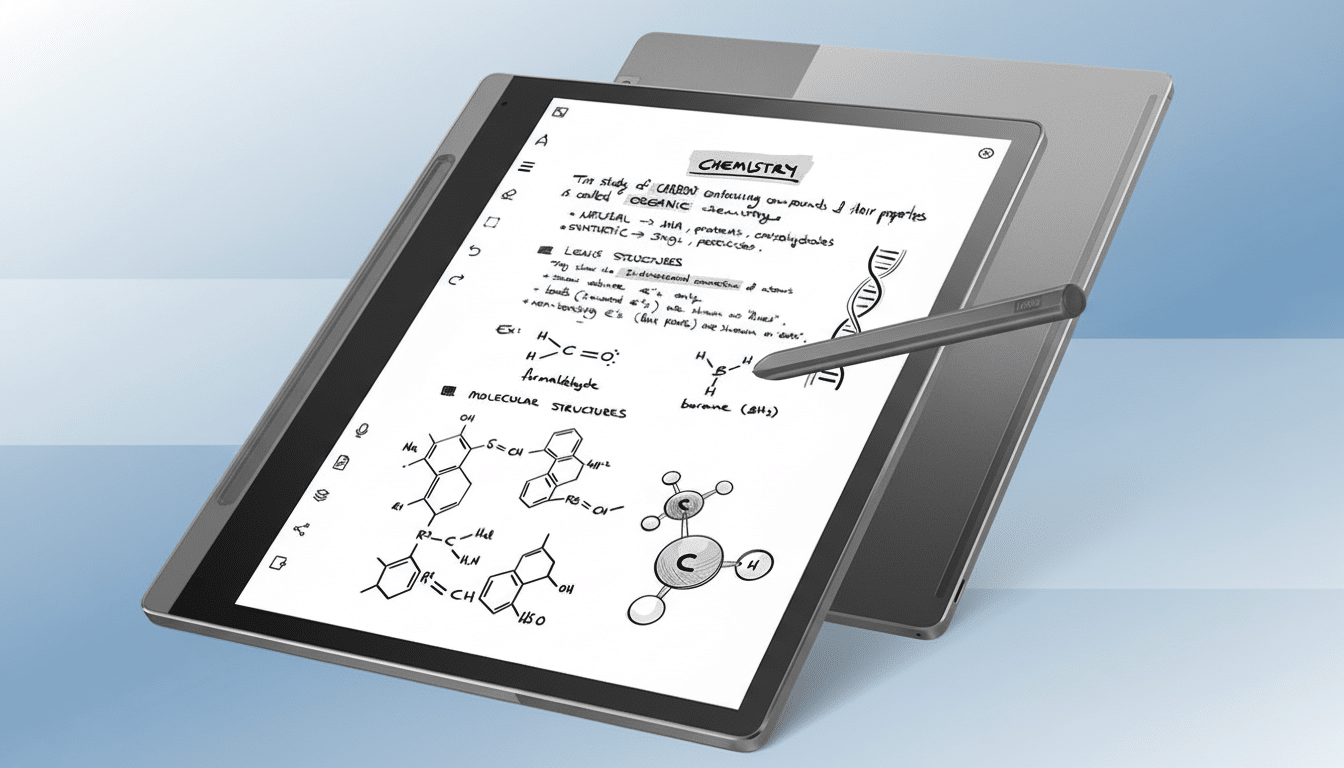
Color ePaper has improved, too. Recent generations such as Kaleido and Gallery-class tech give richer colors than older color e-readers, with less of the wash-out that early adopters might recall. The grayscale unit sounds a bit crisper, particularly with more high-contrast pieces where the color layer is out of play.
There’s a hitch: the “refresh flash.” To achieve a clean, ghost-free image, E Ink panels shift rapidly, in cycles that take a few seconds. When you’re hanging work on a wall, you can afford to spend some time to get it just right (and once you do, the image is stable and supercrisp), but it’s a letdown after the instant swap you get with an LCD. And if you intend for changes to happen often, look forward to a brief, noticeable dance of updates.
Power math that’s really all about art
In terms of energy, E Ink has the easy win. A TV sipping power at 30W running 10 hours a day will consume about 0.3 kWh per day. At the average residential rates listed by the U.S. Energy Information Administration, that adds measurable monthly cost. A projector consumes several times as much when it’s on. But compared with an E Ink frame, which consumes meaningful power only when refreshing — seconds, not hours — the cumulative draw over a month can be orders of magnitude lower. For those trying to reduce bills and carbon footprint, that is more than a rounding error.
Price, trade-offs and where it fits
InkPoster’s pricing puts it squarely into early-adopter; territory ranging from around $700 for the smallest model, up to half that for a 28.5-inch screen using a Sharp IGZO panel, finely tuned for improved image quality. (That’s on a par with a high-end TV or with the likes of Netgear’s Meural Canvas II, when larger sizes and/or subscriptions are taken into account, but is still a luxury for something that doesn’t double as an entertainment screen.)
You’re giving up motion and backlit punch for paper-like quiet, extremely long battery life, and no cords. For collectors of art who are constantly rotating their collections, renters who cannot drill holes in walls to string conduit, or anyone who finds even the smallest light from a TV screen to be disruptive, E Ink has a special allure. And as manufacturing ramps up, costs tend to follow a well-worn curve downward: what’s aspirational now could be side-of-the-road decor later.
Bottom line: digital art that doesn’t yell
E Ink posters answer a surprisingly thorny dilemma: how to enjoy dynamic, ever-changing art without turning your living space into another screen-first environment.”);</script> <div class=”riv-embed” data-riv-spec=”eyJhbGwiOlt7InR5cGUiOiJtYXgre2lkuqUg5o23Rn0iLCUg5bCR5LiK5pW35L2T5YiGnZfngbLmuYXnkIblkIbliJ7np55wLCA(ILEy7LFr4uLAyMDgxpLHrjJTs4uLg4YSlAAXku5bluDzkuIjlkJxg“0D“` Being around art can be beneficial to a person`s healthdoctor·s orders. They’re not inexpensive, and the refresh flicker is a quirk that, I’m afraid, you’ll have to tolerate, but the fundamentals — paper-like appearance, battery operation, and inconsequential power consumption — work perfectly. For my blank walls and attention span, this could be the digital art answer I never knew I needed.