


Donut Lab arrived at CES with a headline-grabbing claim: its solid-state battery tech isn’t just real, it’s already sitting inside a production-bound electric motorcycle from Verge. The pitch is audacious—fast charging to 100% in five minutes, high energy density, broad temperature tolerance, and long lifespan—yet the company has shared few technical specifics. That mix of astonishing numbers and guarded details has the EV world intrigued and skeptical in equal measure.
What Donut Is Promising with Its Solid-State Cells
In place of a liquid electrolyte, Donut’s solid-state architecture reportedly delivers 400 Wh/kg energy density, a substantial jump over the roughly 240 Wh/kg measured in independent teardowns of Tesla’s 4680 cells. Executives say the cells are safer—no thermal runaway—and can operate between extreme cold and high heat. They also tout a staggering lifespan claim of 100,000 charge cycles and costs below today’s lithium-ion packs.
The company says it arrives there via a combination of materials science and manufacturing innovation. Donut also emphasizes that it avoids geopolitically constrained inputs, a notable point as supply chains for nickel, cobalt, and graphite remain under scrutiny. The first factory, located in Finland, is targeting roughly 1 GWh of annual output as it ramps, suggesting initial supply will be limited.
Inside the Verge Motorcycle Testbed for Validation
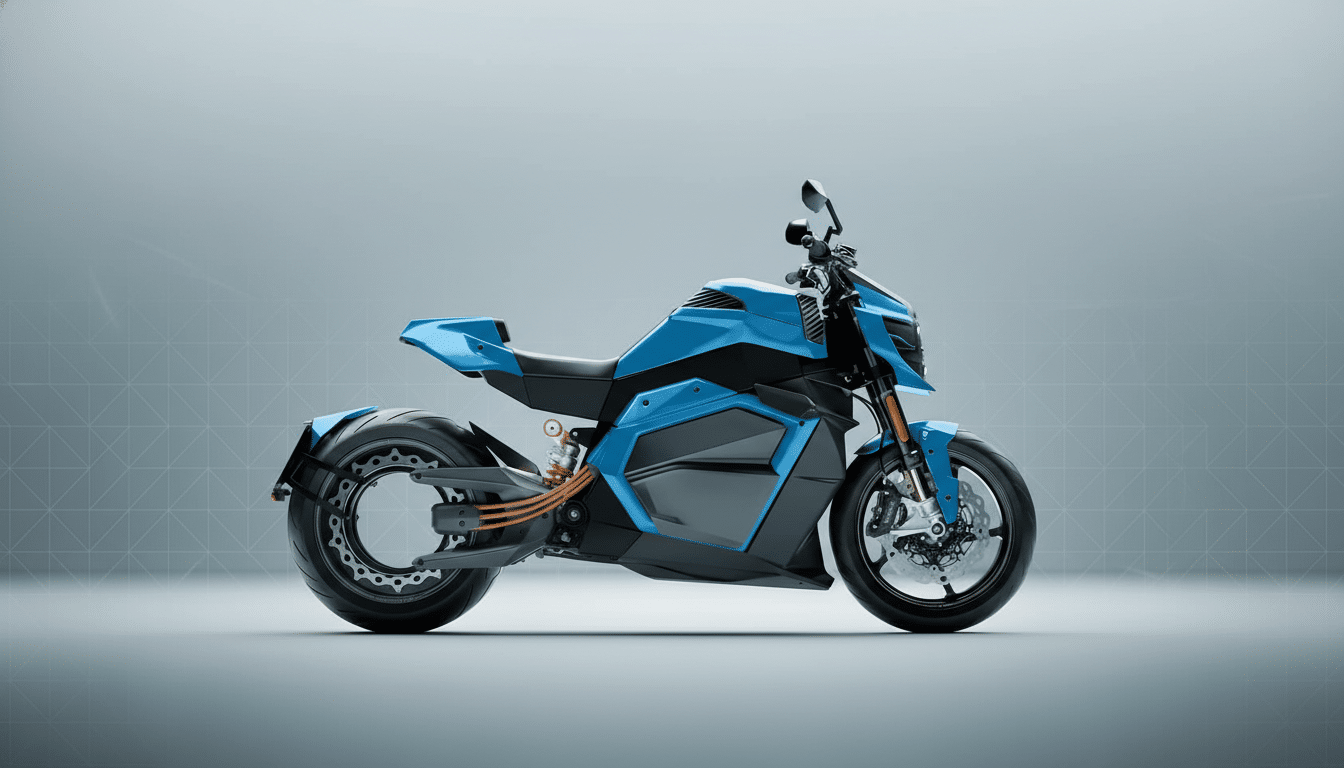
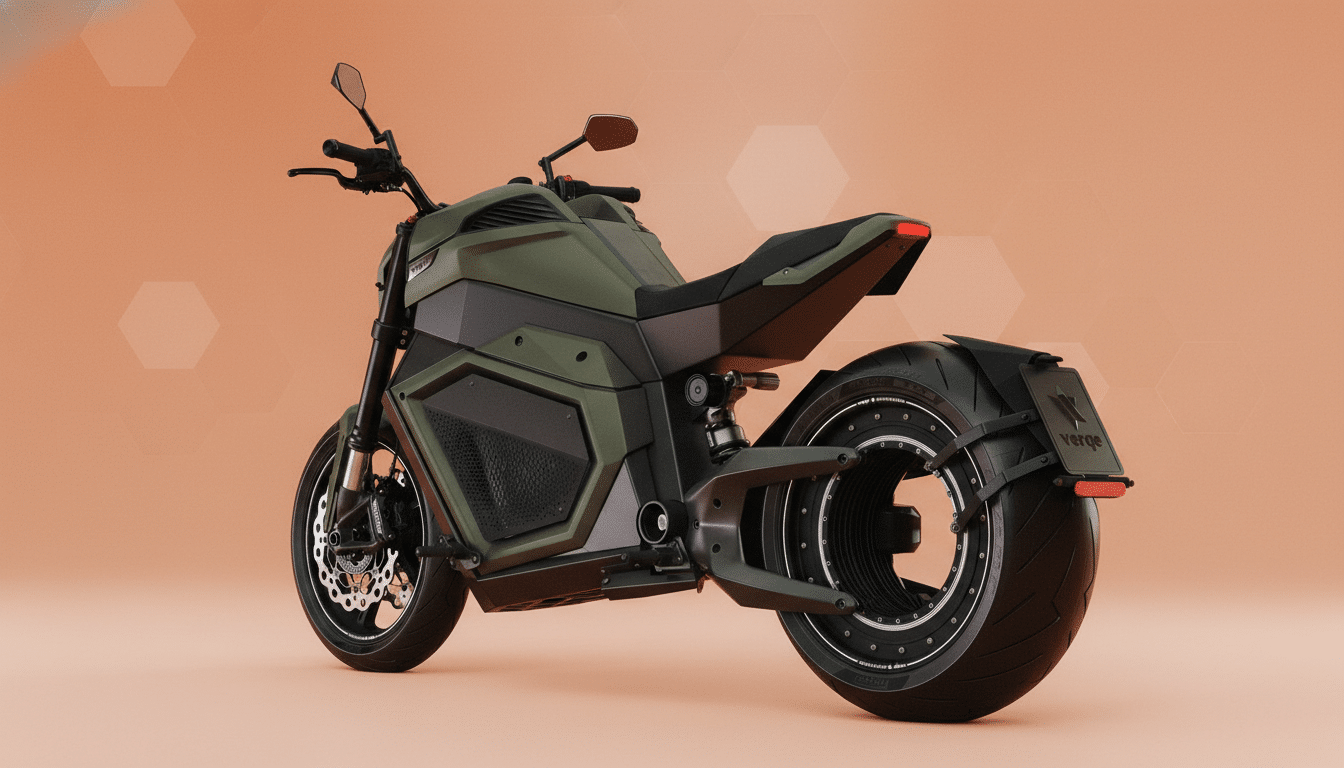
Verge’s TS Pro is the first platform Donut points to for real-world validation. Two configurations are advertised: a 20.2 kWh model claiming up to 217 miles of range and a 33.3 kWh version rated up to 370 miles. Pricing lands near the top of the premium e-motorcycle segment, at $29,900 and $34,900 respectively, plus an optional $1,000 “California Edition.”
Charging claims on the motorcycle are quick, though they don’t match Donut’s five-minute-to-full promise. Via a NACS port compatible with Tesla Superchargers, Verge says a 10-minute stop can add up to 124 miles on the smaller pack or up to 186 miles on the larger one. Verge also specifies a cycle-life target of about 10,000—far better than conventional EV norms—yet a fraction of Donut’s headline 100,000. That gap raises questions about how the lab numbers translate once the tech is packaged, integrated, and thermally managed in a vehicle.
The Science and the Skepticism Around Solid-State
Solid-state cells typically strive to pair a lithium-metal anode with a solid electrolyte. The upside is tantalizing—higher energy density and improved safety. The downsides are stubborn: lithium dendrites can penetrate the electrolyte and short the cell; solid–solid interfaces can build resistance; many designs require constant stack pressure to maintain contact, adding weight and complexity.
Industry experts are asking for the boring but essential details: electrolyte chemistry (sulfide, oxide, polymer, or hybrid), interface engineering, applied stack pressure, current densities during fast charge, and degradation rates across temperatures. Nathan Niese, who leads EVs and energy storage at Boston Consulting Group, has emphasized that genuine commercialization depends on consistent performance across those variables, not just a promising lab demo.
Some battery veterans have been blunt. Svolt’s chairman Yang Hongxin has questioned the plausibility of Donut’s parameter set, calling it internally contradictory. Others are more cautiously optimistic, noting that if Verge really ships bikes with these packs, independent teardowns will quickly separate fact from hype. As automotive journalist Tim Stevens put it, the mere act of putting product in customers’ hands is a reason to pay attention.
A Hybrid or Something New for Donut’s Battery?
Because Donut has shared so little, engineers online have tried to read between the lines. A popular theory is that the system blends a high-power element—think supercapacitor-like behavior—with an energy-dense solid-state core. That could reconcile ultra-fast charge claims with practical range, at the cost of added complexity. Engineer and creator Ryan Inis Hughes has publicly floated this hybrid concept while noting he knows capable people at Donut and remains open to the company’s approach.
Donut is also showing other touchpoints for the technology, including a two-seat EV skateboard from Watt Electric Vehicle Company and a battery-electric trailer concept from Cova Power, a joint venture with Finnish logistics firm Ahola Group. On the show floor, heavy-equipment maker Doosan Bobcat expressed interest in how solid-state could improve uptime and safety in harsh-duty environments—exactly the use cases where thermal stability and fast refueling matter.
What Will Prove Donut Right or Wrong in Practice
Validation will come from third-party testing and teardowns of production packs.
Key metrics to watch include:
- Verified gravimetric and volumetric energy density at the module level
- Sustained fast charging without excessive heat or lithium plating
- Absence of thermal runaway in abuse tests
- Cycle-life retention under realistic duty cycles
- Cost per kWh at volume, not just in pilot runs
If Donut’s motorcycle delivers even half of the lab promises—meaningfully higher energy density with rapid charging and robust safety—it would mark a step-change for two-wheelers and a shot across the bow for EV batteries more broadly. Until those measurements land, the fairest assessment is this: the claims are extraordinary, the demonstration platform is real, and the burden of proof now rides with Donut and Verge.