


So, what do judges actually pay attention to when it comes to domestic violence restraining orders in California? Honestly, it’s pretty direct: judges want to see credible proof of harm or threat, details about specific incidents (not just vague claims), and any patterns that make immediate protection seem necessary. You'll get a sense of which kinds of evidence really matter—think dates, messages, medical or police records, even witnesses—and how judges size that up against whatever the respondent says in their defense.
This post dives into the main things judges actually consider and walks through the California process, so you can get a realistic idea of where you stand. If you’re in Santa Ana and need some backup, maybe reach out to a lawyer for domestic abuse cases in California.
- Key Factors Judges Consider in Domestic Violence Restraining Order Cases
- What Qualifies as Domestic Violence and Abusive Conduct
- Types of Evidence That Influence the Court’s Decision
- Behavioral Patterns and Credibility Assessments
- Understanding Coercive Control and Psychological Abuse
- The Process and Criteria for Domestic Violence Restraining Orders in California
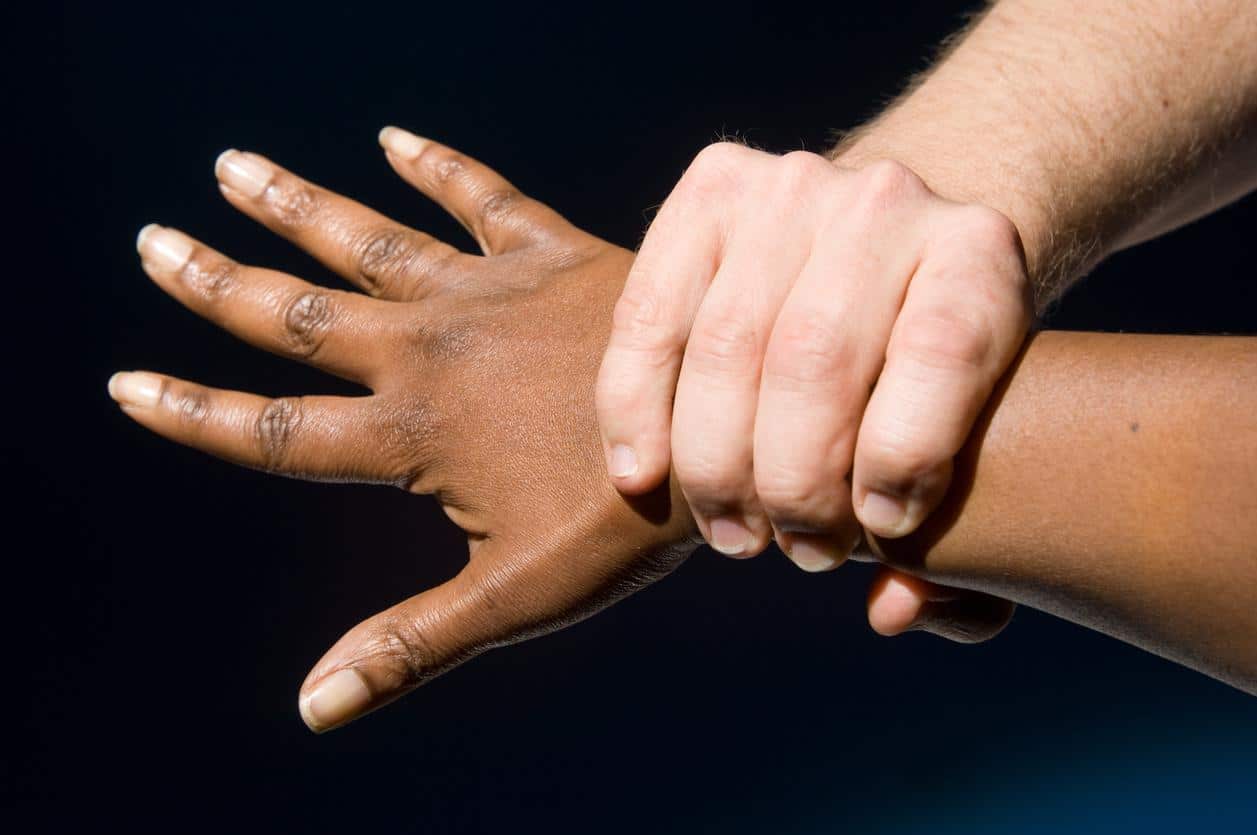
Key Factors Judges Consider in Domestic Violence Restraining Order Cases
Judges look at whether someone’s actions fit the legal definition, how solid and consistent the proof is, whether there’s a pattern of bad behavior, and if there’s any sign of controlling or dangerous tactics that suggest ongoing risk.
What Qualifies as Domestic Violence and Abusive Conduct
California’s definition of domestic violence is actually pretty broad. It covers physical harm, threats, stalking, and intimidation by someone you have a close relationship with—spouse, ex, co-parent, roommate, or close family. Courts want to see actions that caused (or tried to cause) injury, made the applicant reasonably afraid, or seriously messed with their daily life. Even minor stuff can add up if it’s part of a bigger pattern, and a single, really serious assault can be enough on its own. Judges also pay attention to timing, how close the parties are (living together? sharing kids?), since that affects the kind of orders they’ll issue—like how far apart people need to stay, no-contact rules, or temporary custody fixes.
Types of Evidence That Influence the Court’s Decision
Judges lean heavily on actual records and witnesses who can back up what’s in the applicant’s declaration. The usual suspects: police reports (with incident numbers), medical records showing injuries, texts or emails with time stamps, photos of damage or harm, and even call logs if there’s a pattern of contact. Statements from neighbors, family, or coworkers can give a more neutral perspective. Courts tend to trust evidence that’s organized, dated, and has some context, rather than just vague accusations. Audio or video clips can help, but only if they’re legit and allowed in court. Judges also notice if there are old protective orders or messages from the respondent that raise red flags.
Behavioral Patterns and Credibility Assessments
Judges try to figure out if there’s a real pattern to the incidents and if the person telling the story sticks to it without major contradictions. If there’s a repeat of the same kind of thing—like harassing texts after a breakup, showing up uninvited, or threats that keep getting worse—that’s a big deal. If the story keeps changing or seems exaggerated, that can really hurt the case, while matching police reports and witness accounts helps a lot. Judges also look at the bigger picture: Are there custody fights? Are both sides accusing each other? How do people act in court? If someone’s broken restraining orders before, that’s a serious strike against them.
Understanding Coercive Control and Psychological Abuse
More and more, courts are recognizing that control tactics can be just as damaging as physical violence, even if there aren’t any bruises. Stuff like cutting someone off from friends or family, spying on their devices, controlling their money, threatening to get them fired or deported, or constant humiliation—those all count. Judges are also watching for tech-based abuse, like tracking someone without permission or messing with their smart devices. If you’ve got messages, witnesses who saw you being isolated, bank records showing financial control, or notes from a counselor about trauma, that can really help. Judges can order things like giving back devices, stopping certain kinds of contact, or blocking further manipulation if there’s enough proof.
The Process and Criteria for Domestic Violence Restraining Orders in California
Here’s what you can expect in terms of protection from the court, how to get the paperwork in, and what happens when you finally see a judge. Timelines, forms, and the kinds of proof California judges look for—it’s all here.
Types of Protection: Emergency, Temporary, and Permanent Orders
California law actually has a few levels of protection. There’s the emergency protective order (usually from police after an arrest), which only lasts a few days and is meant to keep things safe until a judge can review the case. Then there’s the temporary restraining order (TRO)—filed using Form DV-100—which you can get “ex parte” (without the other side there), and it kicks in after the other party’s served; it sticks around until the hearing.
At the hearing, the judge might issue a longer-term (sometimes called “permanent”) restraining order, which can last up to five years or even be renewed. These can include orders to stay away, stop all contact, limit custody or visitation, give up firearms, and sometimes return property or block electronic access if tech abuse is part of the story.
How to File for a Domestic Violence Restraining Order
It all starts with filling out Form DV-100 (Request for Domestic Violence Restraining Order) plus any extra declarations about what happened, with dates and who saw it. You file in the superior court in the county where you or the other person lives, or where the abuse took place. Lots of courts let you file online these days, and clerks or the California Courts Self-Help Center can walk you through the process and give you blank forms.
Once you file, a judge looks over the paperwork to decide if you need immediate protection. If you get temporary orders, the other person has to be officially served before those orders count. It’s smart to include things like photos, texts, call logs, police reports, and witness statements to make your case stronger. If you’re lost or overwhelmed, legal aid clinics and court self-help centers can explain the steps and how to keep your info private if you need it.
What to Expect at the Restraining Order Hearing
When you show up for the hearing, both sides usually get a chance to share their stories—testimony, documents, even witnesses if they've got them. The judge isn’t looking for criminal guilt here; it’s a civil standard, so they’re sizing up credibility, consistency, and just the overall picture. People often bring in police reports, medical records, texts with timestamps, and photos—anything that helps show a pattern or a specific incident.
The hearing itself can feel formal: there are opening statements, then direct and cross-examinations, and sometimes the judge jumps in with questions of their own. The person who’s being restrained can bring up defenses or file a response, and they don’t have to testify if they don’t want to—that’s their right. The judge has a few options: they can tweak, extend, or just deny the order, all depending on what comes out in court. If an order does get granted, the court clerk puts it into state databases so law enforcement—and firearm restriction systems—are in the loop.