


Every small sports car has a character worth protecting, and drivers naturally want the lighting to suit it. Tinted markers and shaded lenses have become one of the most common ways to do that. Still, a reasonable concern comes up each time: does a darker setup make the car tougher to see? This piece weighs safety against compact performance cars.
Why Tinted Lighting Appeals to Owners
Clean lines and quiet detailing make compact cars shine. A vivid orange reflector often chops up an otherwise sleek shape. Shading calms those breaks and gives the body a tidier, finished character. Enthusiasts love that flow, because tiny adjustments stand out sharply on a low, short frame. Cosmetic upgrades of this kind also let drivers add personality without disturbing a single mechanical part.
Balancing Style With Visibility
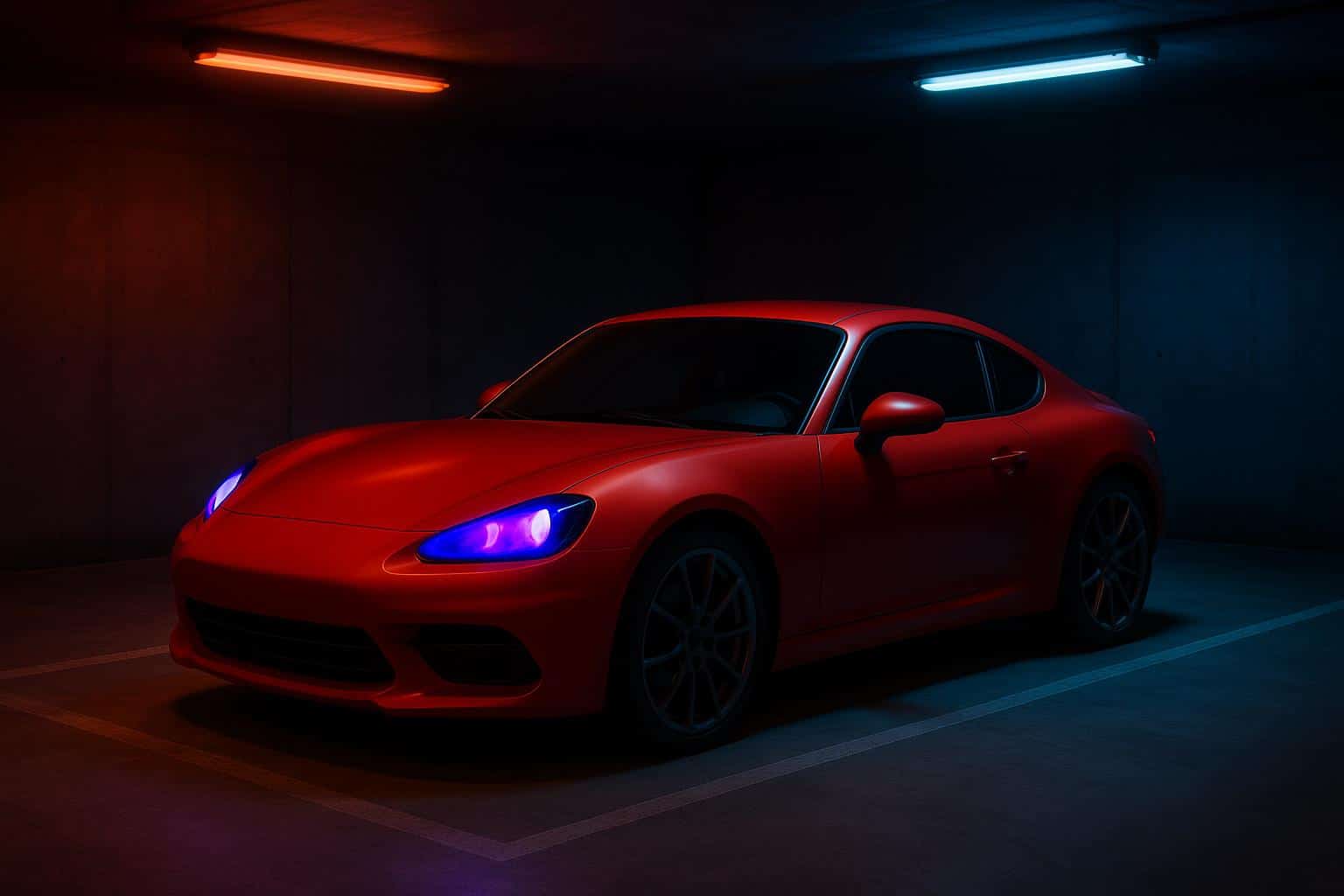
What drives visibility is the light behind the lens, not the color of the cover. Combine a tired bulb with dense tint and brightness suffers. Today’s LED units mostly resolve that, pushing sharp light through darker housings with ease. Many drivers turn to smoked led side marker lights because they stay bright enough for reliable signaling while preserving the shaded style. Mounting position and diode grade count for much more than how dark the cover appears.
What the Numbers Suggest
Brightness is measured in lumens, and the visibility of a marker is directly related to that number. A capable LED can produce several hundred lumens, easily topping older incandescent versions. Even set behind a tinted lens, the loss of light generally stays modest. Rarely does that reduction drop output under safe signaling limits, assuming the components are made well.
Legal Considerations Before Installation
Road rules shift a great deal between regions and states. A few places permit tinted covers outright; others hold firm limits on shade and intensity. Any driver should confirm the local code before mounting a dark lens. One failed inspection hurts the budget, and repeat fines climb in a hurry. Sorting out the law upfront protects your money and the car’s legal standing.
Common Compliance Factors
Officials tend to check three areas: color accuracy, brightness, and reflector function. Amber markers must continue to read as amber, not red or white. Signal lamps need to stay noticeable at the required range. Reflective pieces should carry on bouncing light toward approaching cars. Satisfying those points keeps a build both good-looking and within the rules.
Practical Tips for Safe Tinting
Craftsmanship is what sets a wise upgrade apart from a gamble. Low-cost covers often trap heat and blunt the beam over time. Reaching for well-made parts helps guard brightness and durability. A quick night test helps as well, showing owners how the markers read from a distance. If the glow looks weak, a lighter shade or a stronger diode makes more sense.
When to Reconsider Heavy Tint
Overdoing the darkness pushes appearance past function. The deepest shades can smother even strong diodes, above all in daylight. Anyone racking up long highway hours benefits from moderate tint that holds up in bright sun. Weighing looks against practicality keeps the car simple to spot in any light.
How Vehicle Size Plays a Role
Riding lower to the ground, a smaller car offers less surface for nearby traffic to catch. That trimmer footprint makes each lighting element matter more. Crisp markers let larger vehicles read the car’s position and width. Because compact models already compete hard for notice on busy roads, working lights become a true safety asset instead of mere trim.
Conclusion
Darker lighting will not automatically cut visibility, so long as the parts beneath it remain bright and legal. Quality diodes, a reasonable shade, and care for local law hold style and safety together. A small sports car picks up a bolder look while keeping its footing on the road. Choose thoughtfully, and you enjoy the appearance you want alongside the comfort of staying clearly seen.