


The entry-level DJI Mini 4K just dropped in price, with a 20% discount bringing the ultra-light camera drone into impulse-buy territory for first-time pilots and creators who want 4K footage without a premium price tag.
The sale cuts the Mini 4K from its usual $299 to roughly $239, a compelling value for a sub-249g drone that shoots stabilized 4K video and fits in a jacket pocket. For shoppers comparing options in DJI’s lineup, this is the sweet spot where portability, image quality, and price align.
- Why This 20% Deal on the DJI Mini 4K Stands Out
- Key Specs That Matter for New Pilots and First-Time Flyers
- Real-world use cases and performance in everyday flying
- Know the rules before you fly: registration and Remote ID
- Buying advice and what to expect from the Mini 4K kit
- Bottom line: is the DJI Mini 4K worth it at this price?
Why This 20% Deal on the DJI Mini 4K Stands Out
At this price, the Mini 4K undercuts the Mini 3 series by a wide margin while leapfrogging the Mini 2 SE’s 2.7K ceiling with true 4K capture. For creators publishing to YouTube or Instagram Reels, that extra resolution provides more room to crop, stabilize, or reframe without softening the final cut.
Price trackers and retail watchers regularly flag this level as one of the lowest widely available prices for the Mini 4K at major outlets, making it a strong buy for anyone upgrading from a phone gimbal or older 1080p drones. DJI’s dominance in consumer drones—repeatedly estimated around 70% market share by analysts such as DroneAnalyst—also means better accessory ecosystems and long-term support.
Key Specs That Matter for New Pilots and First-Time Flyers
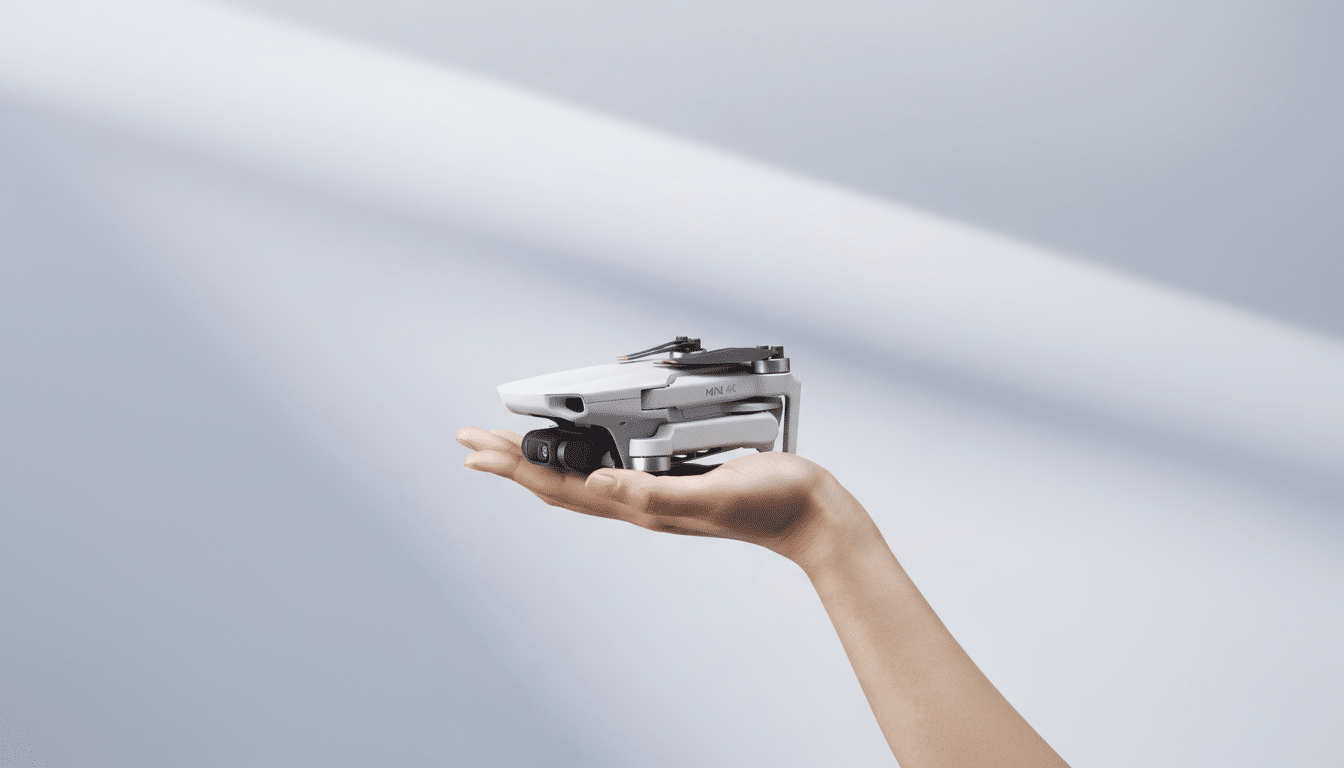
- Under 249g: The Mini 4K’s featherweight build keeps it under the FAA’s registration threshold for recreational flyers in the U.S., easing the paperwork burden while making it more travel-friendly. The small footprint and low takeoff weight also help reduce noise and attention when flying responsibly.
- 4K stabilized video: A 3-axis mechanical gimbal and 4K/30fps recording deliver crisp, smooth footage that looks far more cinematic than footage from many budget competitors. QuickShots modes—like Dronie, Circle, Helix, and Rocket—automate complex moves, so beginners can capture hero shots on day one.
- 31-minute rated flight time: Expect about 20–28 minutes in typical conditions, which is still generous for this class. Level 5 wind resistance (around 10.7 m/s) keeps the drone steadier than you’d expect at this weight, and one-tap takeoff, precise GNSS positioning, and automatic Return-to-Home add a safety net as you learn.
- Confidence features: The Mini 4K offers on-screen tutorials in the DJI Fly app, beginner flight limits, and auto-switching 2.4/5.8 GHz links for robust connectivity—practical touches that shorten the learning curve.
Real-world use cases and performance in everyday flying
Travel creators can pack the Mini 4K alongside a mirrorless camera and still clear airline carry-on limits. Real estate agents get quick exterior flyovers that add polish to listings. Weekend hikers can log trail reveals and summit panoramas that look editorial with minimal editing.
In practice, the gimbal keeps horizons locked even in gusty conditions, and QuickShots generate social-ready clips without manual piloting finesse. Colors are punchy out of the box; dialing exposure compensation down a notch in bright midday sun often preserves highlights for easier grading later.
Know the rules before you fly: registration and Remote ID
The FAA advises recreational pilots to pass the TRUST safety test, keep flights below 400 feet, maintain visual line of sight, and check airspace restrictions through approved tools. Sub-250g drones like the Mini 4K typically do not need registration for recreational use, but local rules can vary.
Remote ID requirements also depend on how you fly. Recreational pilots using sub-250g drones may be exempt, while commercial operations under Part 107 generally require Remote ID compliance. When in doubt, consult the FAA’s guidance before takeoff; other countries have their own frameworks with different thresholds.
Buying advice and what to expect from the Mini 4K kit
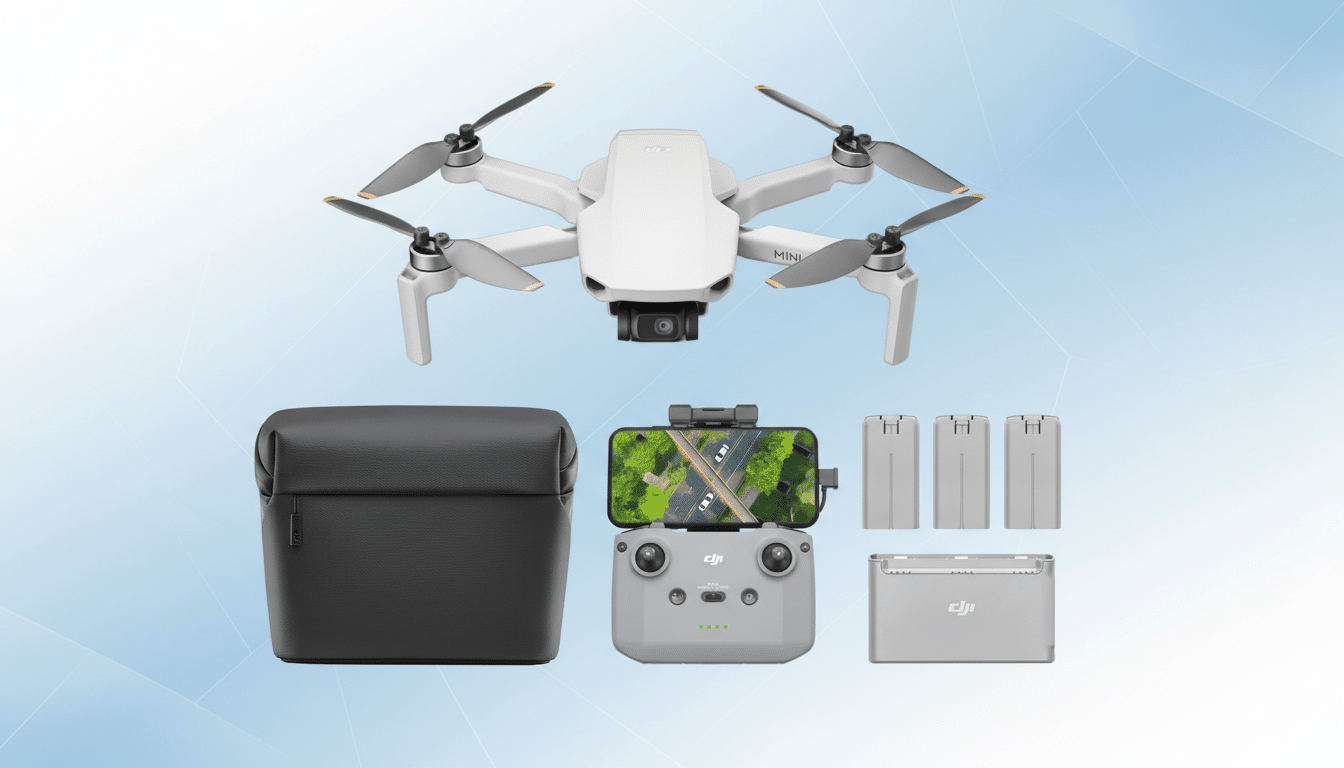
The standard Mini 4K package typically includes the drone, a remote controller, one battery, spare props, and charging/data cables. If you plan to shoot longer sessions, a second battery is the single best add-on; many pilots also pick up ND filters to tame bright scenes and keep shutter speeds cinematic.
Use a U3 or V30 microSD card for sustained 4K recording, and budget for a compact case if you’ll be tossing the kit into a backpack. Most new pilots report they outgrow a single-battery kit within a week.
Bottom line: is the DJI Mini 4K worth it at this price?
A 20% drop on the DJI Mini 4K makes one of the most approachable 4K camera drones even easier to recommend. If you’ve been waiting for a low-risk entry into aerial filmmaking—without giving up stabilized 4K and solid flight time—this is the moment to grab it before prices and stock shift again.