


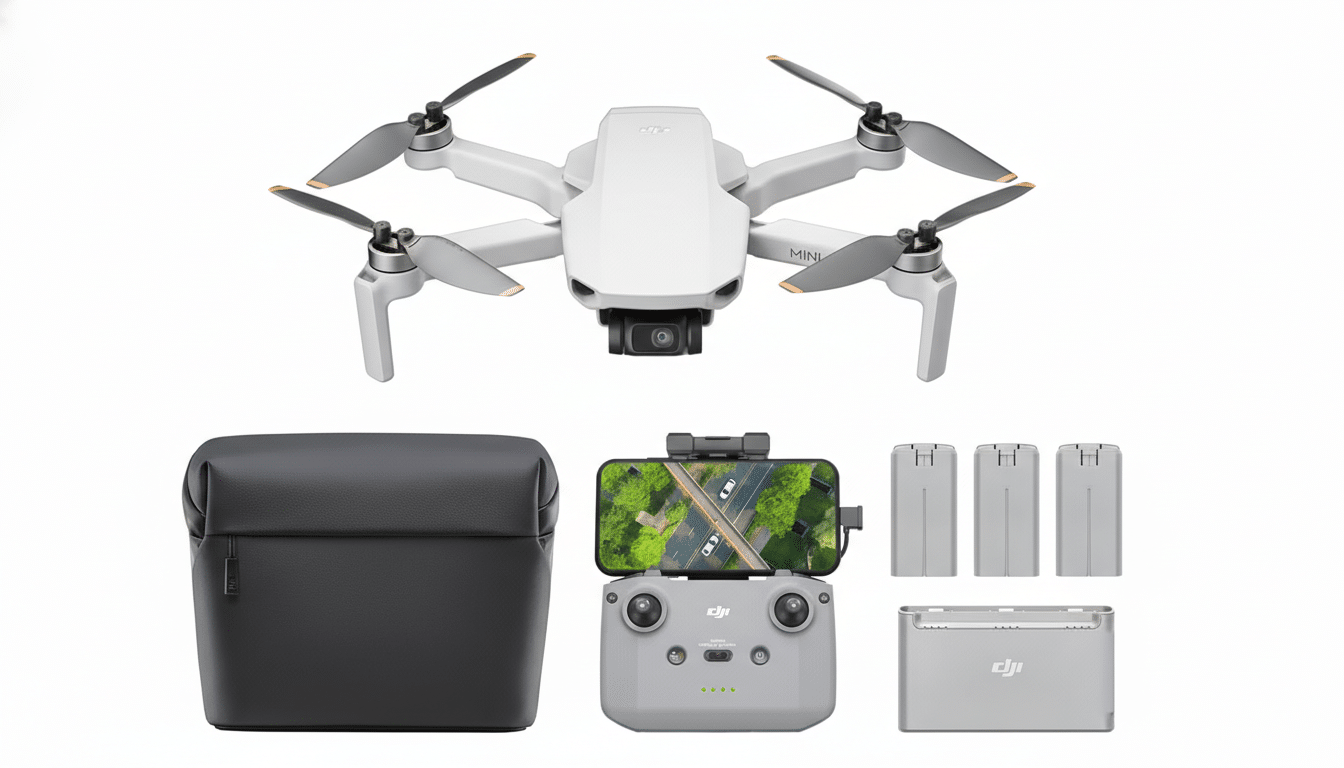
The DJI Mini 4K Camera Drone Combo has dropped to $309, an $80 cut from its $389 list and a 21% discount that marks a new low. For shoppers waiting to jump into aerial video without overspending, this is the moment.
Stock on entry-level DJI gear can swing quickly, and steep drops like this rarely linger. If you want a sub-250g 4K drone that’s easy to fly and travel-friendly, this bundle is the standout value in the category right now.
- Why This DJI Mini 4K Drone Deal Stands Out Today
- Key Specs at a Glance for the DJI Mini 4K Drone
- Where It Fits in DJI’s Drone Lineup and Range
- Why It Matters Now for Shoppers and Creators
- Who Should Buy and Who Should Wait for the Mini 4K
- What to Know Before You Fly a Sub-250g Drone
- Bottom Line on the DJI Mini 4K Drone Combo Deal
Why This DJI Mini 4K Drone Deal Stands Out Today
An $80 reduction at this price tier meaningfully changes the calculus for first-time pilots and creators who might otherwise settle for 2.7K video or older hardware. Historically, discounts on DJI’s lightweight models hover closer to $20–$50; hitting $309 is the kind of floor that typically appears around major retail events.
Because this is a combo package rather than the bare-bones box, you’re getting the essentials needed to fly and film out of the gate, reducing the “hidden” costs new pilots often discover after the first weekend.
Key Specs at a Glance for the DJI Mini 4K Drone
The Mini 4K records crisp 4K footage at up to 30 fps from a stabilized 3‑axis gimbal, a critical advantage over action cameras on fixed mounts. The camera’s 1/2.3-inch sensor delivers the familiar 12MP look many creators already know how to grade, keeping workflows simple.
Weighing under 249g, it falls below the threshold that typically requires recreational registration in the U.S., while remaining compact enough to toss in a sling bag. DJI rates flight time at up to 31 minutes per battery in ideal conditions, with Level 5 wind resistance that helps keep footage steady on breezy days.
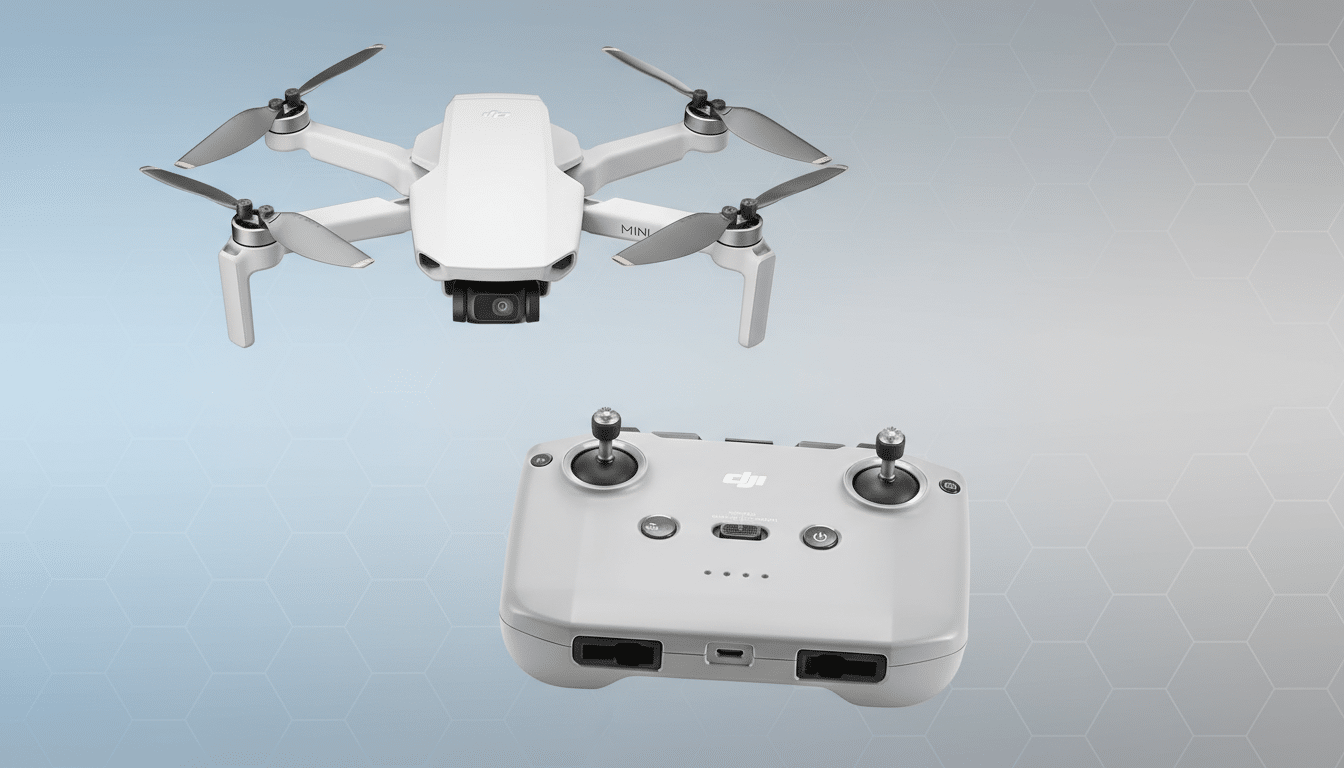
Transmission is rated up to 10 km of 1080p/30 live feed under FCC conditions, which in practice translates to a reliable, low-latency signal for line-of-sight flying in open areas. One-tap takeoff and Return to Home further lower the learning curve for new pilots.
Where It Fits in DJI’s Drone Lineup and Range
Think of the Mini 4K as the most accessible gateway to modern DJI flying. It undercuts the Mini 3 and Mini 3 Pro on price while preserving core image quality and stabilization. It does not include omnidirectional obstacle avoidance—features reserved for higher-end models like the Mini 4 Pro—so pilots will want to fly conservatively around trees and buildings.
For creators who mostly need stabilized 4K clips, smooth hyperlapses, and QuickShots for social content, the trade-offs are easy to accept. If you need D-Log color profiles, multi-directional sensing, or 4K/60, you’ll be better served by stepping up the range.
Why It Matters Now for Shoppers and Creators
Drone Industry Insights estimates that DJI continues to command the majority of the global consumer drone market, which means accessory ecosystems, tutorials, and third-party support are abundant. At the same time, policy scrutiny and agency-level restrictions in the U.S. have kept the category in headlines, which can lead to sporadic availability and price swings on popular models.
Against that backdrop, a record-low price on a current, mainstream DJI platform is rare. For travel vloggers, real estate agents, and weekend creators, it’s a cost-effective way to lock in a dependable kit before inventories shift.
Who Should Buy and Who Should Wait for the Mini 4K
Buy now if you’re a beginner wanting stabilized 4K with minimal setup, a hobbyist upgrading from a 1080p toy drone, or a pro who needs a lightweight B‑cam for tight or low-risk shots. The combo format helps you avoid piecemeal accessory purchases and gets you flying sooner.
Consider waiting or stepping up if you routinely fly near obstacles, need advanced subject tracking in congested environments, or require higher frame rates and flat color profiles for heavy grading. In those cases, models with multi-directional sensing and richer codecs will pay off.
What to Know Before You Fly a Sub-250g Drone
In the U.S., recreational pilots flying sub‑250g drones generally don’t need to register with the FAA, but they must pass the free TRUST safety test and follow community-based safety guidelines. If you use any drone for commercial work under Part 107, registration and additional rules apply—even for sub‑250g aircraft—and Remote ID requirements may come into play depending on use and location.
As always, check local regulations, observe line-of-sight, and avoid restricted airspace. A little preflight due diligence protects you, your footage, and your gear.
Bottom Line on the DJI Mini 4K Drone Combo Deal
At $309, the DJI Mini 4K Camera Drone Combo delivers the rare mix of 4K stabilization, long battery life, and beginner-friendly controls at a true record low. If this configuration matches your needs, it’s one of the strongest value buys in drones right now—and it’s likely to move fast.