


DG Matrix has secured $60 million to modernize how data centers move and manage electricity, betting that solid-state power systems can replace a century-old stack of transformers, rectifiers, and standby gear with something smaller, more efficient, and far more flexible.
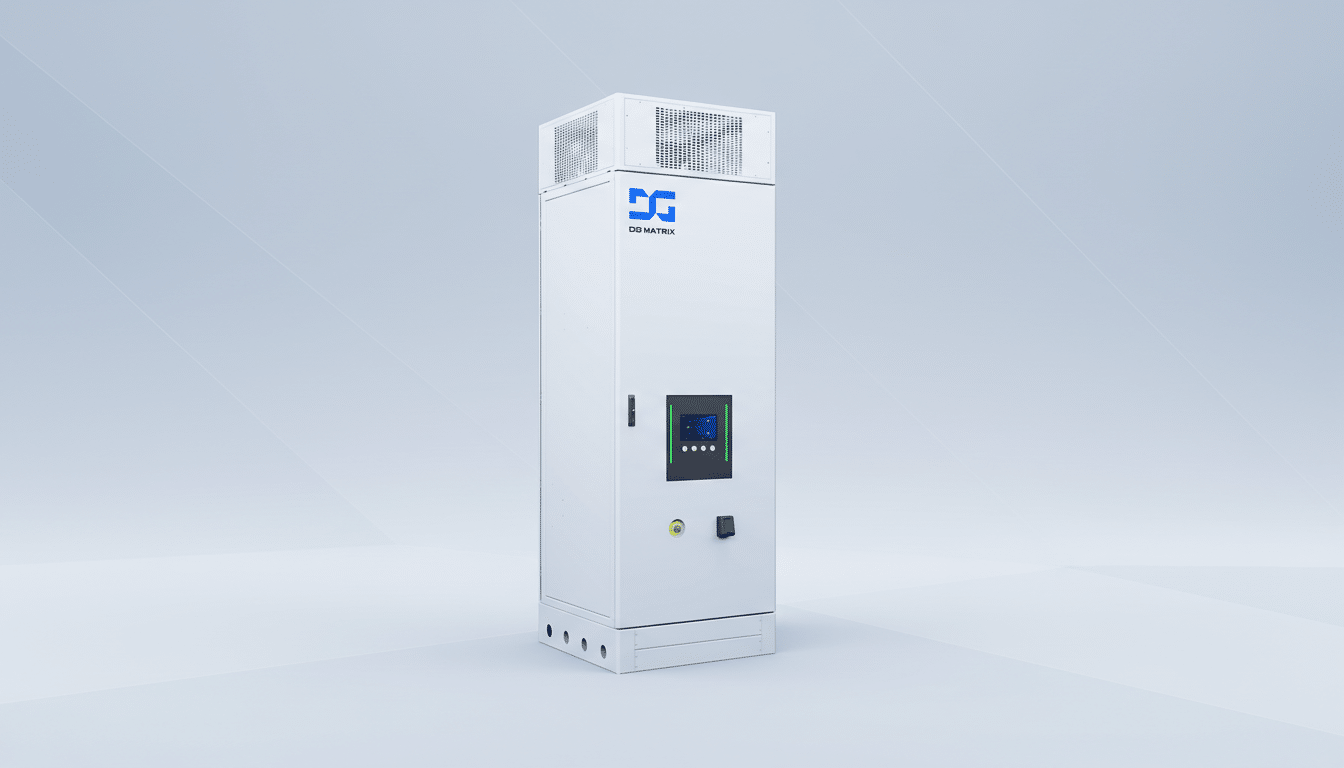
The company’s core product, called Interport, functions like a programmable, bidirectional solid-state transformer that orchestrates power from the grid, batteries, solar, and generators while serving high-density racks. DG Matrix says the platform can reach 95% to 98% efficiency, versus the 82% to 90% often seen when legacy devices are chained together, and can deliver higher reliability by using only 10% to 15% of the components typically found in conventional power trains.
Why Data Center Power Needs a Fundamental Rethink
AI training clusters and accelerated computing are pushing rack densities from the historical 5–15 kW range into 30–100 kW and beyond, with liquid-cooling deployments rising in tandem. The International Energy Agency notes that data center electricity demand is climbing rapidly and could roughly double within a few years, straining grids that are already facing interconnection backlogs. Meanwhile, Uptime Institute’s surveys continue to rank power-related issues among the top drivers of serious outages, underscoring the need for simpler, more controllable power paths.
Traditional oil-filled transformers are bulky, run hot, and are fundamentally analog. They step voltage up and down well, but they cannot vary frequency, shape power quality, or natively blend input sources. Uninterruptible power supplies, which protect against short interruptions, add extra conversion stages, batteries, and maintenance overhead—improving resilience but also creating additional losses, floor space demands, and failure points.
Inside DG Matrix’s Interport Power Platform
Interport uses high-frequency power electronics to deliver the functions of a transformer, rectifier, inverter, and static transfer switch in one device. That architecture enables fast source switching, ride-through without a separate UPS, grid-forming operation during outages, and native DC outputs for battery integration. Because it is software-defined, policies for when to pull from the grid, when to dispatch storage, and how to prioritize loads can be tuned in real time.
By collapsing several legacy boxes into one system, DG Matrix says operators can reduce power-chain losses, free up white space, and simplify maintenance. The company argues that eliminating standalone UPS units and associated gear cuts complexity while meeting or exceeding uptime goals—an approach that mirrors a broader industry move toward grid-interactive, battery-backed power electronics documented by the U.S. Department of Energy and National Renewable Energy Laboratory.
DG Matrix also announced a supply agreement with Exowatt, a startup packaging solar and storage into modular containers for 24/7 data center power. In that configuration, Interport acts as the hub that blends intermittent generation with batteries and the grid, a behind-the-meter strategy that can shave peak demand, monetize ancillary services, and insulate facilities from grid congestion.
Market Context and Competition in Data Center Power
Power is emerging as the new bottleneck for hyperscale buildouts, with operators investing heavily in on-site substations, backup generation, and energy storage. Incumbents including ABB, Siemens, Schneider Electric, and Eaton have been advancing solid-state and grid-forming technologies, and utilities are piloting electronics-heavy substations. DG Matrix is carving out a niche by focusing first on data center distribution and rack-adjacent delivery, where density, controllability, and footprint are at a premium.
The timing aligns with policy and market tailwinds. Incentives for storage and grid modernization in North America and Europe are accelerating deployment of batteries and advanced inverters. Hyperscalers have publicly explored using UPS fleets to support the grid during normal operations; a natively bidirectional, software-orchestrated power layer could make those revenue streams more accessible while improving on-site resilience.
Go-to-Market Strategy and Next Steps for DG Matrix
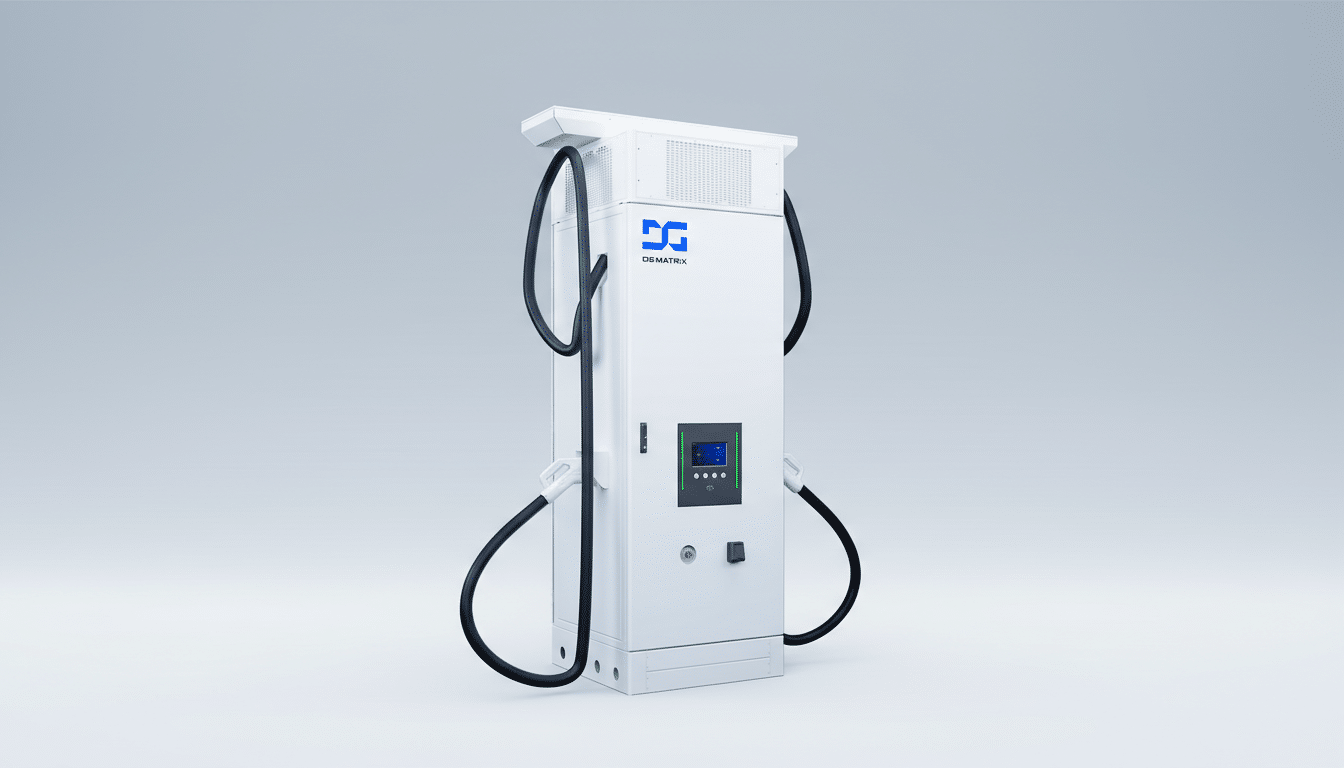
DG Matrix says initial units are moving to customers, with a follow-on “sidecar” product aimed at delivering conditioned power directly to high-density racks. About 90% of the company’s commercial pipeline is tied to data centers, with the remainder focused on fleet EV charging—another application that benefits from bidirectional power flow and storage integration.
Beyond campuses, the company plans to extend its platform to building power and remote microgrids, using Interport to coordinate solar, wind, and batteries where extending transmission lines would be prohibitively expensive. In those contexts, the same grid-forming and fast-switching capabilities that protect a data hall can provide round-the-clock electricity without a traditional grid connection.
The fresh capital is expected to fund manufacturing scale-up, certifications, and partnerships with integrators and colocation providers. If DG Matrix delivers on its claims, consolidating the power chain could unlock meaningful efficiency gains, reduce failure surfaces, and help data centers add capacity faster—exactly the kind of leverage operators need in the AI era.