


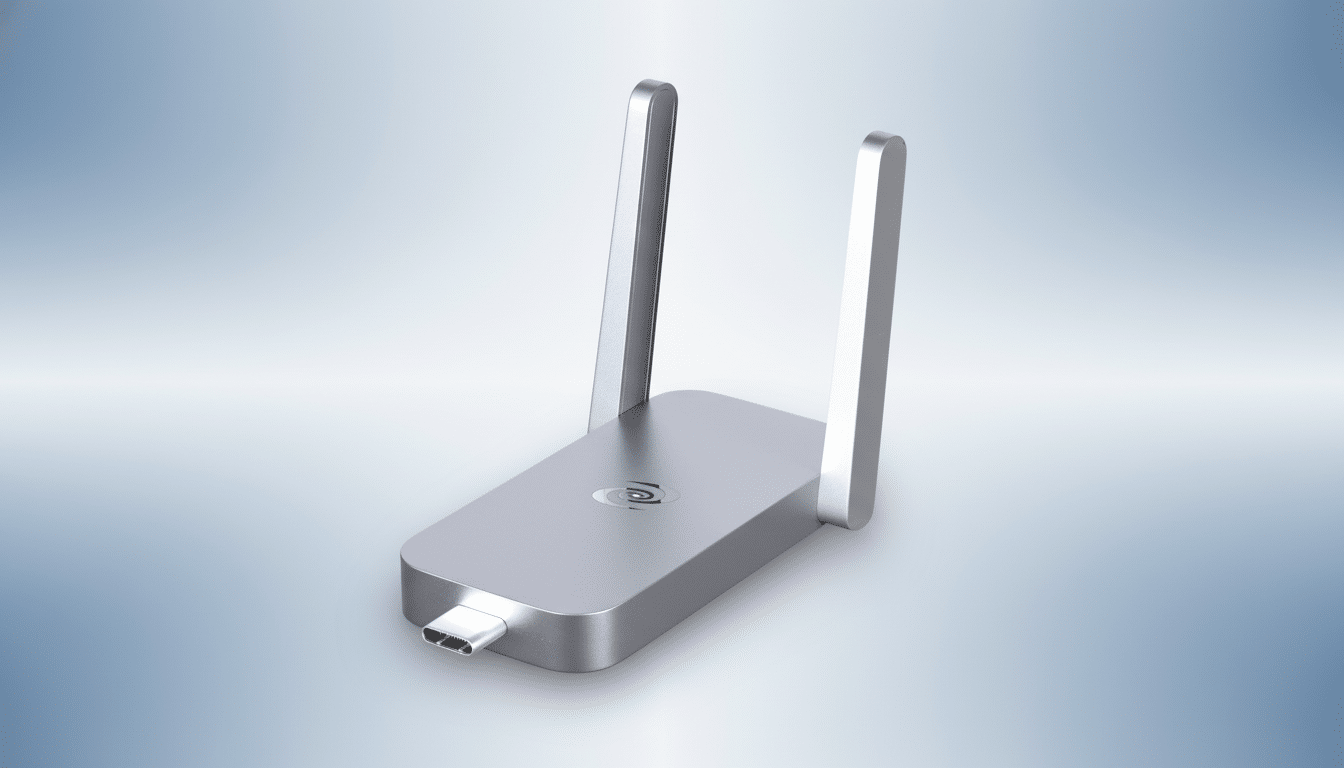
A new plug-and-play VPN router is targeting skyrocketing bills. Deeper Connect Air brings router-level protection to laptops, phones, and smart home gear without requiring buyers to issue separate payments every time they use it — the latest attempt to create a superior one-time VPN that doesn’t rest on past accomplishments.
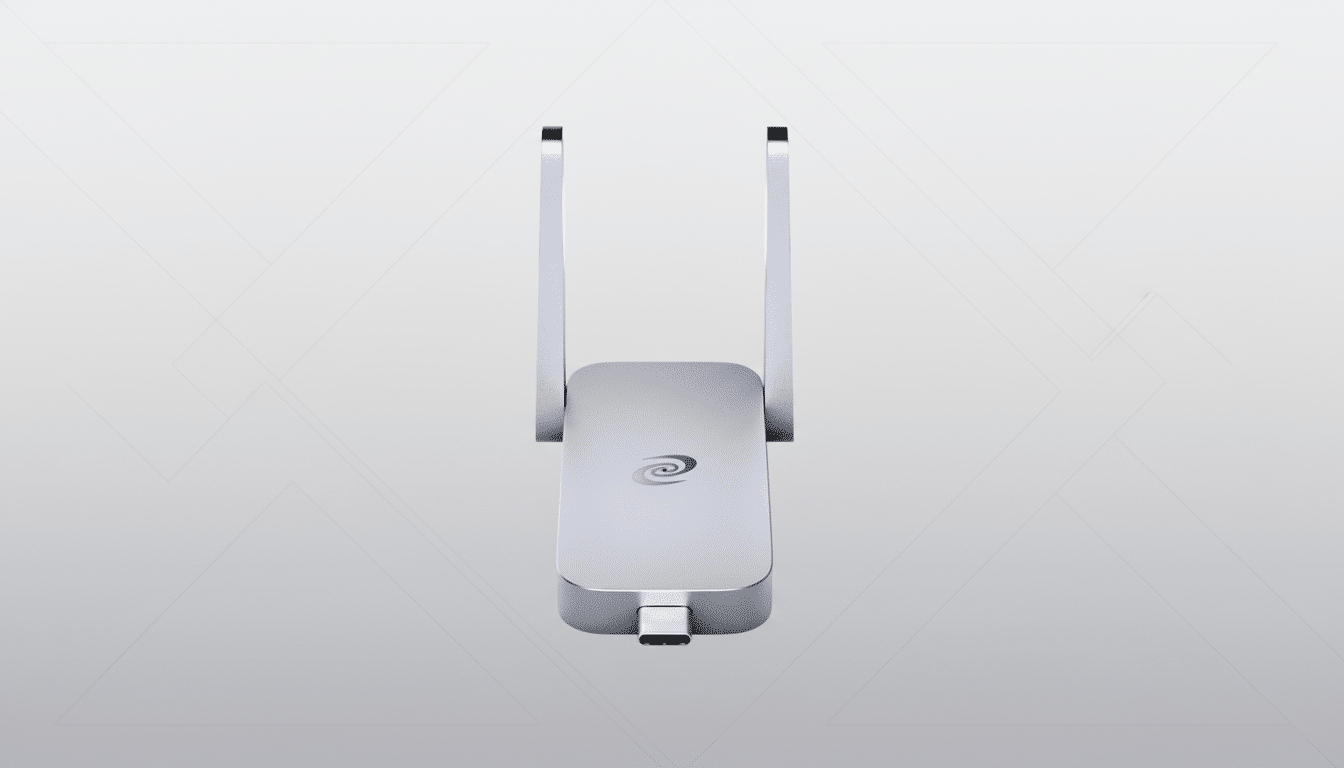
Billed as a USB-C travel device, the Air taps into a decentralized network and promises access to 150,000+ nodes, with speeds topping out at 300Mbps, along with built-in ad blocking on encrypted streams. The pitch is straightforward: pay once, secure multiple devices, and skip the monthly fees.
- How a one-time VPN router purchase can save you money
- How a decentralized VPN network works and why it matters
- Setup and everyday use for this travel-friendly VPN router
- Who this is for and what to know before you consider it
- How it compares to traditional subscription VPN services
- Bottom line: a practical, fee-free VPN router for travel
How a one-time VPN router purchase can save you money
The average of mainstream VPN service payments month to month is between $8 and $13, according to monthly rate listings at independent review sites. That’s the equivalent of about $288 to $468 per user over three years. A router without a subscription, on the other hand, combines protection for multiple devices into one single purchase that may be appealing for families or anyone juggling laptops, tablets, and phones.
There’s also a practical side: a router-style VPN protects the gadgets in your home that don’t support VPN apps, like smart TVs, streaming boxes, and many Internet of Things devices. And with Deloitte’s Connectivity & Mobile Trends finding an average of approximately 22 connected devices per US household, moving protection to the network edge isn’t just a power-user move anymore — it’s often the simplest means for securing everything at once.
How a decentralized VPN network works and why it matters
Unlike traditional VPNs, which use centralized data centers, the Deeper Connect Air routes traffic across a decentralized, serverless-style network. In practice, that means there’s no one company-run cluster to be a choke point — or a single surveillance or outage target — which can help mitigate catastrophic single points of failure.
And the device is end-to-end encrypted — it uses algorithms such as AES-256 or, in similar projects, ChaCha20 — to dynamically route traffic over available nodes, decentralizing to increase robustness and spread load, though effectiveness might change depending on route and time of day, as in other peer-assisted systems.
Setup and everyday use for this travel-friendly VPN router
The experience of using Deeper Connect Air is more like joining Wi‑Fi than setting up a firewall. You can plug the Air into a computer’s USB-C port, select from a worldwide node pool, and pair up to five devices at once. For travelers, this means a fast way to connect a laptop and phone to hotel or airport networks without downloading separate apps or managing logins.
The 300Mbps top speed sounds modest, but it’s plenty for multi-device browsing and 4K streaming in a typical environment, over wireless at least (actual maximum throughput will, of course, depend on the route you take through your network and nearest connection). In addition, the gadget features network-level ad and tracker blocking. That sort of server-level filtering can minimize wasted bandwidth and harden privacy by stripping out common tracking scripts before they reach your devices.
The case for a travel router on security grounds is still strong. The FBI’s Internet Crime Complaint Center is still receiving hundreds of thousands of reports a year, including multi‑billion‑dollar losses in its most recent report. Institutions like ENISA have also issued warnings about open Wi‑Fi. A router‑level VPN on the go puts a buffer between your devices and untrusted networks.
Who this is for and what to know before you consider it
Deeper Connect Air is designed for everyone from remote workers and frequent flyers to students connected via their universities’ campus networks to households seeking set‑and‑forget coverage for devices that are unable to support VPN apps. It’s also a draw for anyone looking to whittle down recurring software fees without cutting into privacy.
There are trade-offs to note. While some streaming services actively block VPN traffic, your mileage can vary depending on the service and region. Decentralized networks decentralize trust among many nodes, so look for clear documentation of how it works, active firmware updates, and a clear privacy policy. And don’t forget that a VPN isn’t going to make you anonymous or invulnerable against phishing or malware, though it should improve privacy and security — so good digital hygiene is still important.
How it compares to traditional subscription VPN services
Price-based leaders NordVPN, ExpressVPN, and Surfshark offer audited no‑logs claims, broad app support, and consistently fast servers, which may translate into more stable performance across a wide variety of use cases and potential for increased platform integration. For the subscription-free, decentralized router it’s the other way around: fewer recurring costs, coverage — though not across the network — and portability, with speed and routing options that could vary.
If you primarily use mobile and would like a more polished app with features like multi‑hop, mesh networking, or even built‑in password manager integration, a conventional VPN might fit better. Want to secure a few devices (even those that don’t support apps) and hate the idea of monthly bills for your VPN? Enter portable VPN routers.
Bottom line: a practical, fee-free VPN router for travel
Enter Deeper Connect Air, another option in VPN routers for the home, offering an enticing proposal as a small router that secures numerous devices over a network with no continuing fees. With ad blocking, encryption, and airport‑friendly setup, it is a practical way to lift your privacy baseline — particularly for households bursting with connected tech and travelers on public Wi‑Fi.